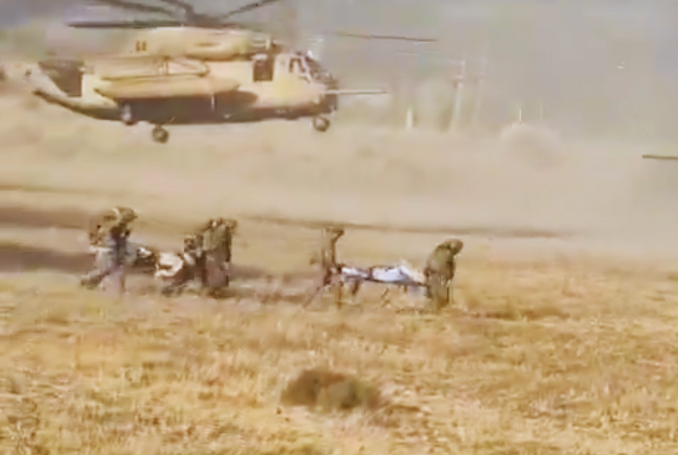
Israel is currently engaged in negotiations with the United States regarding the continued deployment of its troops in southern Lebanon. These discussions follow Israel's expansion of its invasion into southern Lebanon after the Lebanese militia Hezbollah initiated firing at Israel on March 2. The ongoing talks focus intently on the Israeli military presence in the region, with Israel seeking to maintain its strategic positions. The negotiations are key as they unfold against a backdrop of complex regional dynamics and diplomatic efforts.
Israel's Lebanon Campaign
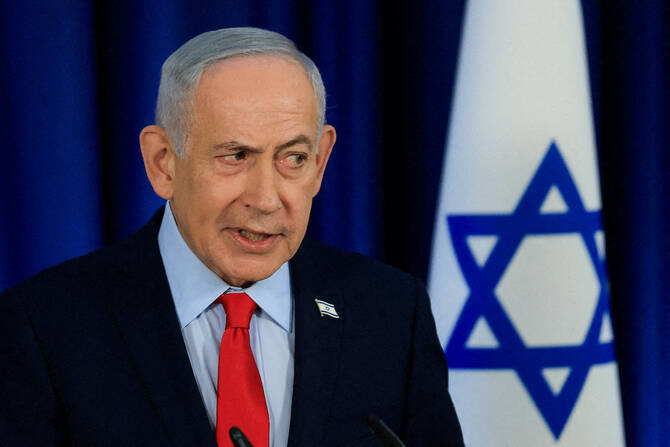
Israel's campaign in Lebanon is specifically aimed at rooting out Hezbollah, according to official Israeli claims. This objective forms the core rationale behind its military operations in the area. The Israeli government describes the territories it has seized in Lebanon, alongside those in Gaza and Syria, as "buffer zones" between itself and its adversaries. These zones are presented as essential for national security. Israeli Prime Minister Benjamin Netanyahu has unequivocally rejected calls for Israel to withdraw from these territories, emphasizing their importance to Israel's defense strategy. The establishment of these zones is consistently presented by Israel as a critical security measure designed to protect its borders from perceived threats. This approach shows Israel's stated objective of neutralizing potential dangers emanating from both its northern and southern fronts, ensuring the safety of its citizens and territory.
US-Iran Pact and Trump's Pressure
In a significant diplomatic development, the United States and Iran have signed an interim pact that stipulates both parties ensure "the territorial integrity and sovereignty of Lebanon." This agreement notes an international effort to stabilize the region and respect national boundaries. Donald Trump stated that he had personally sent Israeli Prime Minister Benjamin Netanyahu a copy of this "memorandum of understanding" that the US reached with Iran on Sunday, showing the importance and direct communication surrounding the agreement. This interim agreement between the US and Iran is expected to facilitate broader peace talks between the two nations, which are scheduled to commence in Switzerland on Friday. The upcoming talks represent a potentially key moment for de-escalation and diplomatic engagement in the Middle East.
Clashes and Abating Hostilities
Benjamin Netanyahu and Donald Trump have repeatedly clashed over Israel’s refusal to constrain its pursuit of Iran-backed Hezbollah in Lebanon. These disagreements highlight a divergence in strategic approaches between the two leaders regarding the conflict in the Levant. Hostilities in Lebanon have abated somewhat since Mr. Trump sharply criticized Mr. Netanyahu earlier this week, suggesting a direct impact of the former U.S. President's public remarks on the military situation. On Wednesday, Mr. Trump stated that Mr. Netanyahu could use a "softer touch" in the fight against Hezbollah militants in Lebanon, urging a more measured approach. This assessment from the former U.S. President follows ongoing tensions regarding the military strategy in the region, reflecting a desire for de-escalation and a less aggressive posture.
Broader Implications and Diplomacy
The outcome of current discussions between Israel and the United States hinges significantly on whether US President Donald Trump "decides to force the issue" through threatened repercussions if Israel does not adhere to the interim Iran pact's terms. Trump's potential intervention could dramatically alter the course of events, compelling Israel to reconsider its current stance. Mr. Trump stated, "Netanyahu happens to be a good man, gets a little excited sometimes," offering a character assessment while also noting their disagreements. He added, "We have a little dispute over Lebanon. I say you can do a little softer touch, Bibi. You don’t have to knock down a building every time somebody walks into it that’s from Hezbollah." This candid advice from Trump shows the pressure being exerted on Israel to modify its military tactics and align more closely with the broader diplomatic objectives outlined in the US-Iran interim pact. The ongoing negotiations are therefore not just about troop deployment but also about the future direction of regional stability and the intricate balance of power.