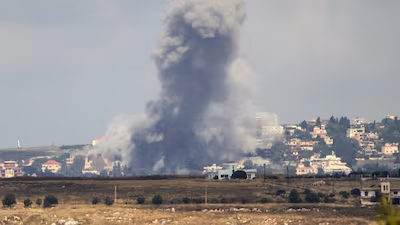
Israeli soldiers and Hezbollah fighters are exchanging fire near Beaufort Castle in south Lebanon, following an escalation of cross-border hostilities. Beaufort Castle was hit by Israeli shelling on Saturday afternoon, according to reports from the region. The exchanges occurred as Hezbollah claimed it launched two rockets at Kiryat Shmona overnight. These incidents contribute to the ongoing tensions in the border area, marking a significant uptick in military activity along the volatile frontier. The intermittent shelling and rocket fire have become a daily reality for residents in the southern Lebanese border region, exacerbating an already fragile security situation.
Ground Fighting and Air Strikes
Israel is attempting to advance on strategic locations north of the Litani River, according to claims from the region. This reported push follows intensified cross-border activity in south Lebanon, indicating a potential shift in the scope of military operations. Such alleged ground maneuvers could signify a new phase in the conflict, moving beyond reciprocal strikes to more direct engagements within Lebanese territory. The Litani River has historically been a significant geographical marker in discussions surrounding security in southern Lebanon, and any Israeli advance beyond it would be a notable development.
Hezbollah claimed responsibility for a missile strike targeting the Meron base’s air traffic control unit, located approximately 5 kilometers inside northern Israel. The group stated this action was part of its ongoing responses to Israeli military operations, framing it as a direct retaliation for perceived Israeli aggressions. The targeting of an air traffic control unit suggests an intent to disrupt Israeli air operations or demonstrate an expanded range of capabilities. This specific strike shows the strategic nature of some of Hezbollah's attacks, aiming at key military infrastructure rather than solely border outposts.
The Lebanese Army reported that some of its soldiers sustained injuries when an Israeli drone targeted their vehicle. This incident occurred in the city of Nabatieh on Saturday, according to the army's statement. The targeting of Lebanese Army personnel by an Israeli drone represents a concerning development, as it directly impacts a sovereign state's military forces. The Lebanese Army stated explicitly that some of its soldiers were injured in this incident, noting the risks faced by non-combatant forces caught in the crossfire. Such incidents raise alarms about potential miscalculations and the broadening of the conflict beyond direct clashes between Hezbollah and Israeli forces.
Humanitarian Crisis and Displacement
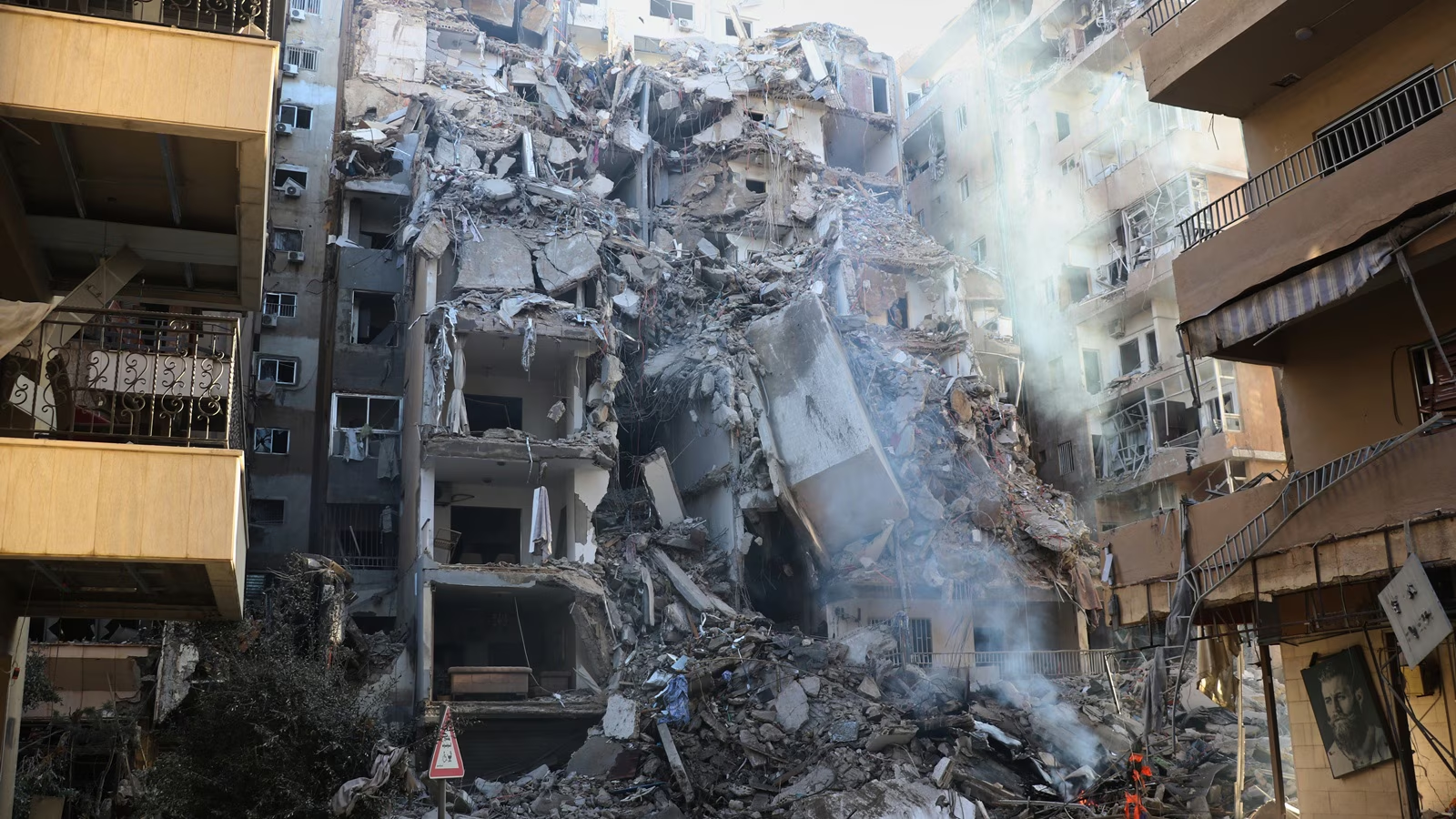
Dozens of towns and villages have been emptied by Israeli forced displacement orders in the area south of the Zahrani River, as well as in east Bekaa. Nabatieh and the coastal city of Tyre have also been cleared due to Israeli forced displacement orders, leading to significant population shifts in southern Lebanon. These displacement orders have led to a mass exodus, leaving entire communities deserted and disrupting the lives of tens of thousands of civilians. The emptying of major urban centers like Nabatieh and Tyre shows the widespread impact of the conflict on civilian populations, forcing them to abandon their homes and livelihoods in search of safety.
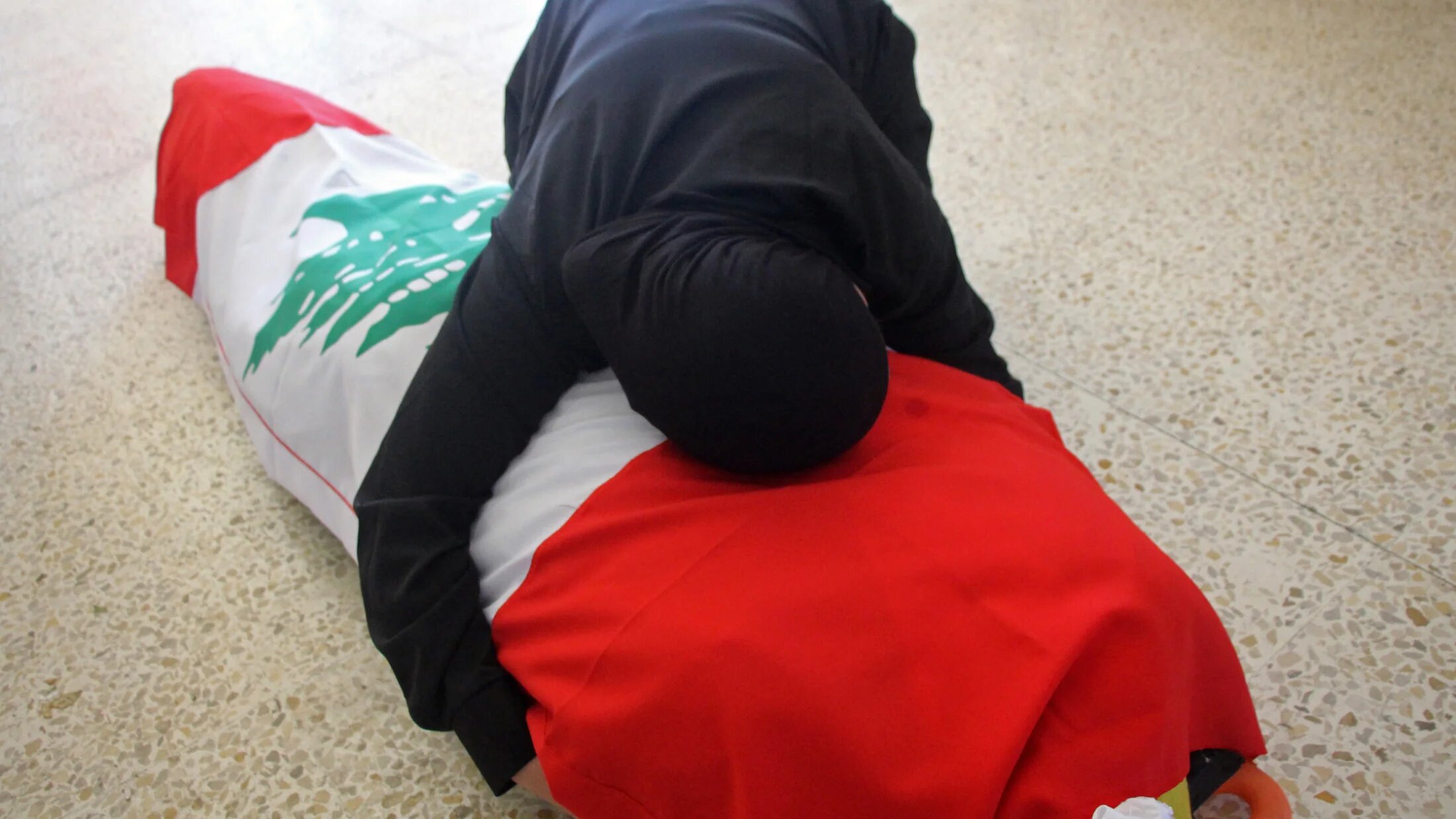
Among those killed overnight were a father and son who were fleeing from the southern village of Ansar in the Nabatieh region. Their deaths tragically illustrate the severe risks faced by civilians attempting to escape the violence. The ongoing military actions have contributed to a rising casualty count, with both combatants and non-combatants affected by the escalating hostilities. Lebanon's Ministry of Health reported that 11 people were killed and eight were wounded in Israeli attacks on Friday alone. This grim toll from a single day notes the intensity and lethality of the current conflict, putting immense strain on local healthcare services and humanitarian organizations. The continuous flow of displaced persons has also created an urgent need for shelter, food, and medical assistance across various parts of Lebanon.
Diplomatic Engagements
Lebanese and Israeli military leaders attended US-backed talks at the Pentagon on Friday, according to a statement from Mr. Aoun's office. This meeting marked the first military talks between officials from both nations, and the fourth such encounter they have held in the United States. The diplomatic engagements are part of ongoing efforts to address tensions in the region, signaling a concerted international push to de-escalate the conflict. The fact that these were the first military-to-military talks between Israeli and Lebanese officials in the US adds a layer of significance, suggesting a more direct and potentially practical dialogue on security matters. The previous three meetings, while also held in the US, did not involve military leaders, making this latest round a notable step in diplomatic engagement.
Following these discussions, the next round of Washington talks is scheduled for June 2 and 3, indicating a sustained commitment to diplomatic solutions despite the ongoing violence. These upcoming talks will provide another opportunity for both sides, facilitated by the United States, to discuss potential pathways to de-escalation and stability.
In Beirut, Lebanese President Joseph Aoun met with Prime Minister Nawaf Salam on Saturday at the Presidential Palace. The meeting likely addressed the current security situation and the ongoing diplomatic initiatives, including the outcomes and implications of the Pentagon talks. Such high-level internal consultations are key for formulating a unified national response to the evolving crisis and coordinating diplomatic strategies. The Pentagon talks on Friday show continued international engagement aimed at de-escalating the cross-border clashes. The repeated diplomatic efforts highlight the complex nature of the conflict and the persistent attempts to find common ground between the involved parties, even as military actions continue to unfold on the ground. These parallel diplomatic tracks, both international and domestic, reflect the urgency of the situation and the desire among various stakeholders to prevent a wider regional conflagration.