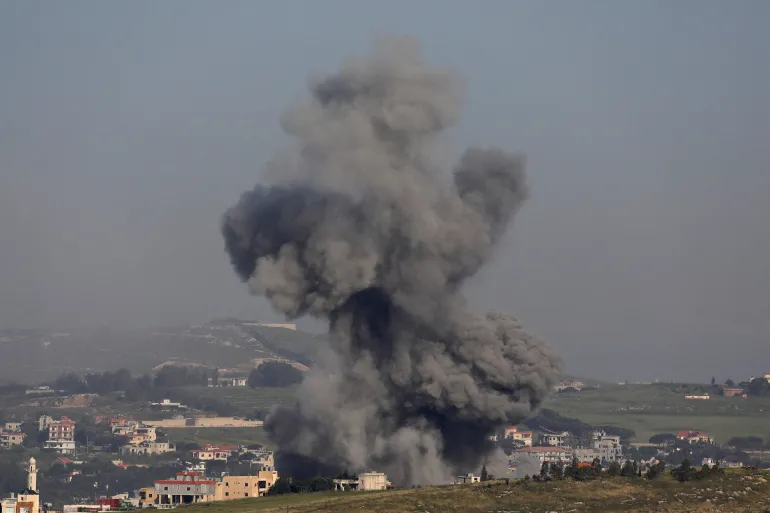
A ceasefire in Lebanon, which officially commenced on April 16, 2026, following six weeks of intense fighting between Israel and Hezbollah, is under severe strain amidst renewed escalations. This agreement, intended to bring a halt to the hostilities, has seen its effectiveness diminish significantly in recent days. Israel initiated its war on Lebanon on March 2, 2026, a conflict that has since resulted in the deaths of at least 2,846 people and the displacement of over a million individuals from their homes across the country. The humanitarian impact of this conflict has been profound, affecting critical infrastructure and civilian populations. Recent developments indicate a significant uptick in hostilities, particularly on Monday, May 11, 2026, signaling a dangerous deterioration of the security situation.
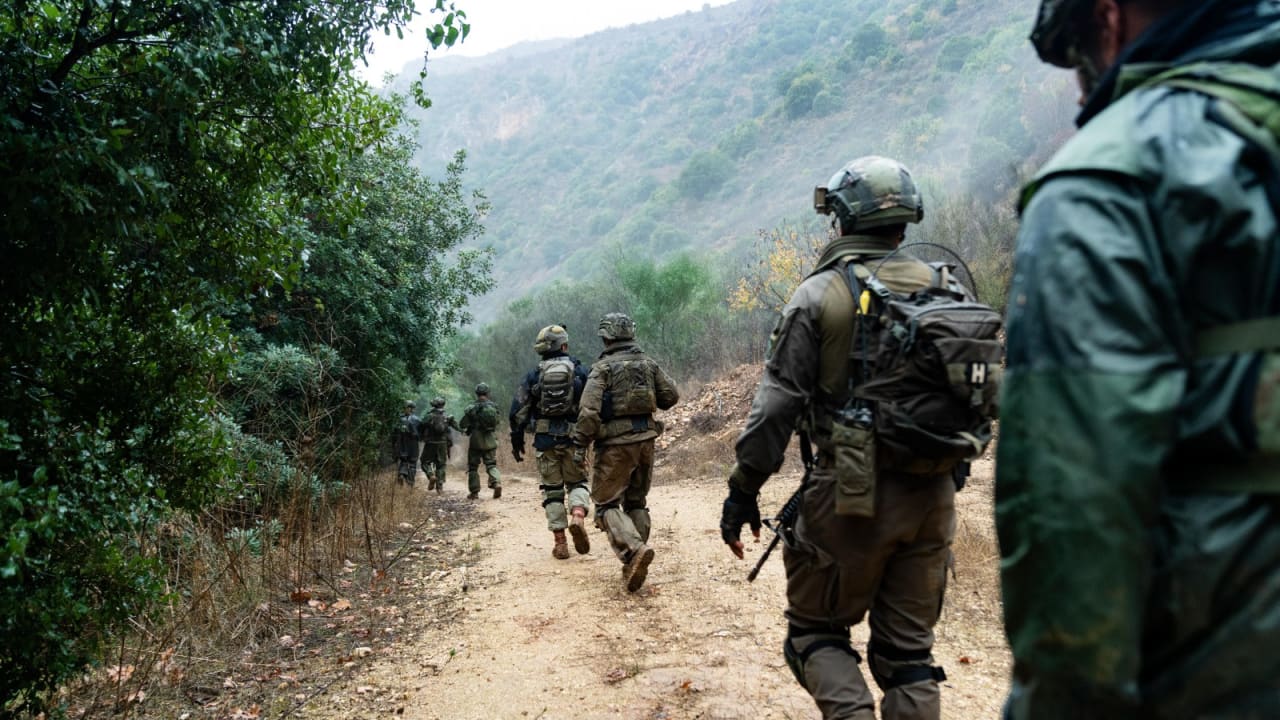
Hezbollah claimed responsibility for 24 attacks targeting Israeli army positions, soldiers, and military vehicles in southern Lebanon over a 24-hour period ending early Monday, May 11, 2026. These operations show Hezbollah's continued capacity and willingness to engage military targets despite the standing ceasefire. In response, the Israeli military reported intercepting "a suspicious aerial target" in southern Lebanon on the same day, indicating an ongoing aerial threat. Further escalating tensions, the Israeli army stated that three soldiers sustained injuries from a booby-trap drone explosion in southern Lebanon, noting the sophisticated and dangerous nature of the tactics being employed. Earlier, the Israeli army also announced that a soldier was killed by a drone launched by Hezbollah near the Lebanese border, showing the deteriorating security situation despite the standing ceasefire and the increasing lethality of drone warfare in the conflict zone.
Lebanon Under Fire
Lebanon’s army reported several violations by Israeli forces the day after the ceasefire began on April 16, 2026, setting an early precedent for the fragility of the agreement. These initial breaches raised concerns about the long-term sustainability of the peace efforts. On Sunday, May 10, 2026, the Lebanese Health Ministry stated that Israeli attacks across the country had killed 51 people, including two medical workers, marking a significant toll on civilian life and essential services. The Lebanese Health Ministry also said Israeli attacks directly targeted two points of the Health Authority in Qalawiya and Tibnin, Bint Jbeil district, which are critical healthcare facilities. The ministry added that "The Israeli enemy continues to violate international laws and humanitarian norms, adding more crimes against paramedics, as it directly targeted two points of the Health Authority in Qalawiya and Tibnin, Bint Jbeil district, in two raids." This statement notes the growing concern over the targeting of medical infrastructure and personnel, which are protected under international humanitarian law.
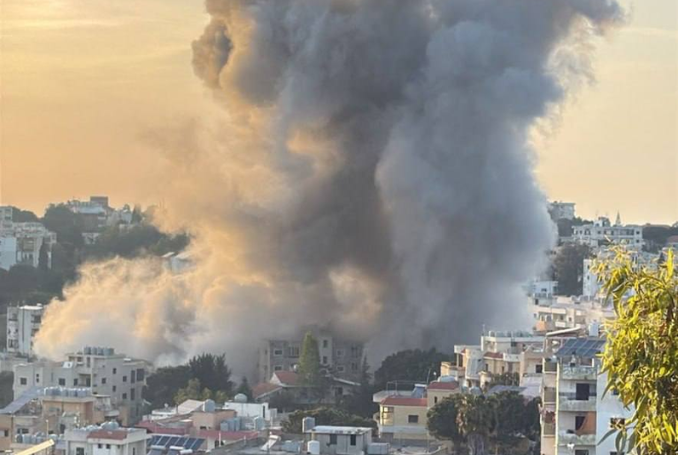
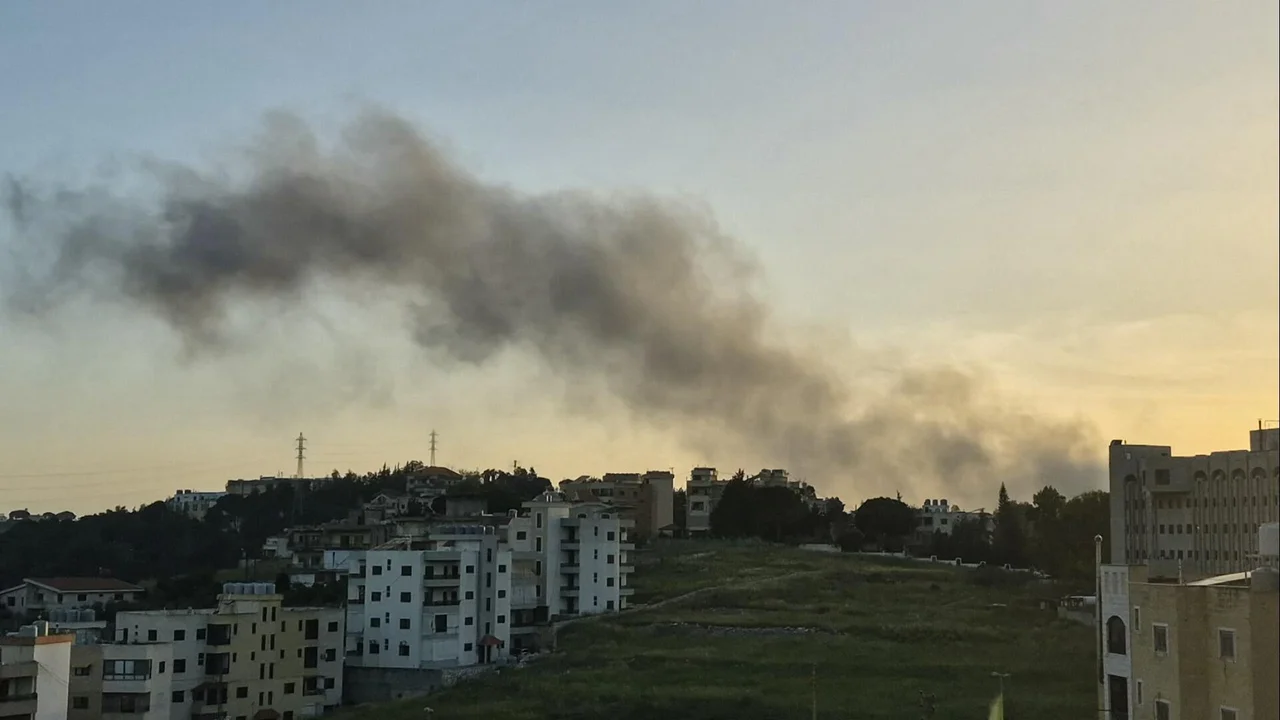
Since Israel’s war on Lebanon began on March 2, 2026, the United Nations reports that at least 103 Lebanese medical workers have been killed and 230 injured, demonstrating the extreme dangers faced by those providing essential care in the conflict zone. The UN further states there have been more than 130 Israeli strikes on medical personnel in Lebanon, a figure that points to a systemic pattern of attacks on healthcare providers and facilities. On Monday, May 11, 2026, an Israeli air strike on the town of Abba killed two people and wounded five, according to Lebanon’s National News Agency (NNA), adding to the mounting civilian casualties. NNA also reported that warplanes renewed raids on the town of Kfar Remman for the second time in less than an hour on Monday, May 11, 2026, indicating sustained and intense aerial bombardment in residential areas.
The Israeli military issued a new warning for residents of nine areas in southern Lebanon to flee before potential Israeli strikes, signaling an expansion of military operations and an increased risk to civilian populations in those designated zones. Last week, Israel bombed Beirut’s southern suburbs for the first time since the ceasefire began, a significant escalation that brought the conflict closer to the capital and demonstrated Israel's willingness to strike deeper into Lebanese territory. This particular action drew widespread condemnation and raised fears of a broader conflict.
Hezbollah's Response
Hezbollah stated it employed explosive drones, rocket barrages, artillery shelling, and guided missiles in its recent attacks against Israeli positions, showcasing a diverse arsenal and tactical approach. The Jerusalem Post reported that Hezbollah has been utilizing fiber optic threads to guide its FPV (First Person View) drones, a method believed to be aimed at evading Israeli wireless jamming devices. This technological adaptation notes the ongoing cat-and-mouse game between the two adversaries in terms of electronic warfare and drone capabilities. The publication also noted that Hezbollah had released video footage on Sunday, May 10, 2026, depicting an FPV drone successfully striking an Iron Dome battery located on Israel's northern border, an event that, if confirmed, would represent a significant propaganda victory and a demonstration of advanced drone capabilities against Israeli air defense systems.
Cross-border fighting between Israel and Hezbollah initially flared in October 2023, when Hezbollah launched rockets at Israel. This action was taken in solidarity with Palestinians in Gaza, linking the Lebanese front directly to the broader Israeli-Palestinian conflict. Since that time, Israeli attacks have resulted in the deaths of at least 3,768 Lebanese individuals. Additionally, 1.2 million people in Lebanon have been displaced due to these Israeli attacks, according to reports, indicating the immense human cost of the prolonged conflict and the widespread disruption it has caused to civilian life and infrastructure.
Broader Context and Diplomacy
A previous ceasefire between Israel and Hezbollah had ostensibly been in effect since November 27, 2024, preceding the current hostilities. This earlier agreement aimed to de-escalate tensions following an earlier round of fighting. However, since that date, the United Nations has recorded more than 10,000 Israeli ceasefire violations and hundreds of Lebanese deaths, illustrating the persistent instability and the challenges of maintaining peace in the region even under formal agreements. Israel has repeatedly informed the Lebanese government that the disarmament of Hezbollah is necessary for any ceasefire to endure, framing Hezbollah's military presence as a fundamental obstacle to lasting peace. Conversely, Hezbollah has maintained that Israel must withdraw from southern Lebanon, a condition which was part of the 2024 ceasefire agreement, noting a core dispute over territorial sovereignty and security.
Last December, the Lebanese government indicated it was nearing completion of the first phase of Hezbollah’s disarmament south of the Litani River, ahead of a year-end deadline stipulated by the 2024 ceasefire deal with Israel. This move was seen as a significant step towards fulfilling its obligations under the previous agreement. At the onset of the latest conflict, the Lebanese government outlawed Hezbollah’s military wing, a measure intended to assert state authority and potentially appease international concerns. However, in January 2025, Israel stated that Hezbollah retained a presence close to the border and was rebuilding its military capabilities at a faster rate than the Lebanese army was dismantling them, casting doubt on the effectiveness of the disarmament efforts and the Lebanese government's control over the group. This ongoing perception of Hezbollah's military strength and proximity to the border continues to be a major point of contention for Israel.
The US State Department is reportedly planning two days of intensive talks between the governments of Israel and Lebanon, scheduled for May 14 and 15, 2026. These negotiations, to be held in Washington, DC, aim to advance "a full peace and security agreement that substantively addresses the core concerns of both countries," according to the US State Department. This initiative represents a high-level diplomatic push to find a lasting solution to the protracted conflict. On May 8, 2026, Lebanon’s President Joseph Aoun received former Ambassador Simon Karam, who is leading the Lebanese delegation for these discussions, signaling Lebanon's official commitment to the diplomatic process. Hezbollah will not be included in the talks and has voiced its protest regarding their commencement, noting a significant challenge to the legitimacy and potential effectiveness of any agreement reached without its direct involvement.
Uncertain Future
The ongoing escalation between Israel and Hezbollah places the recently established ceasefire under considerable strain, raising serious concerns about its long-term viability and the potential for a full-scale regional conflict. Despite diplomatic efforts by the US State Department to facilitate talks between Israel and Lebanon on May 14 and 15, 2026, the continued exchange of fire on the ground suggests a volatile security situation that could easily unravel any progress made at the negotiating table. Hezbollah's exclusion from the planned discussions, and its stated protest, adds complexity to any potential resolution, as the group remains a powerful non-state actor whose cooperation is likely essential for any enduring peace. The humanitarian toll in Lebanon, with significant casualties and displacement, shows the urgent need for de-escalation, yet both sides continue to report military actions, demonstrating a cycle of violence that is proving difficult to break. The international community watches closely, hoping that diplomacy can prevail over the escalating military actions to prevent further loss of life and regional destabilization.