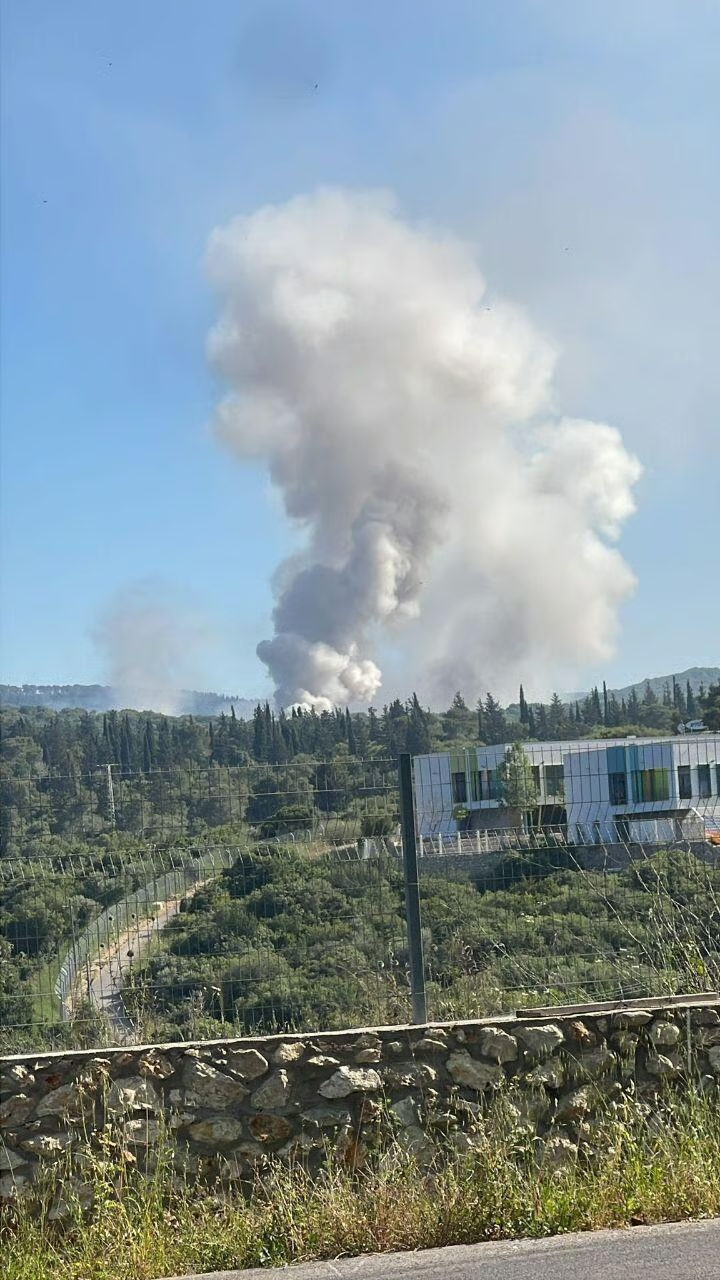
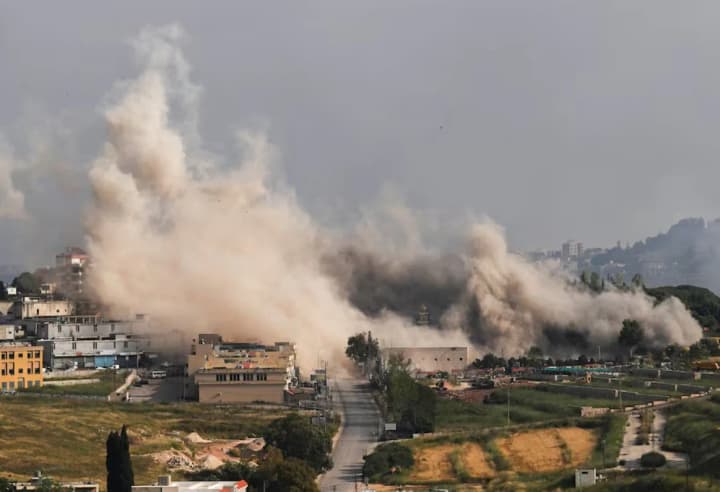
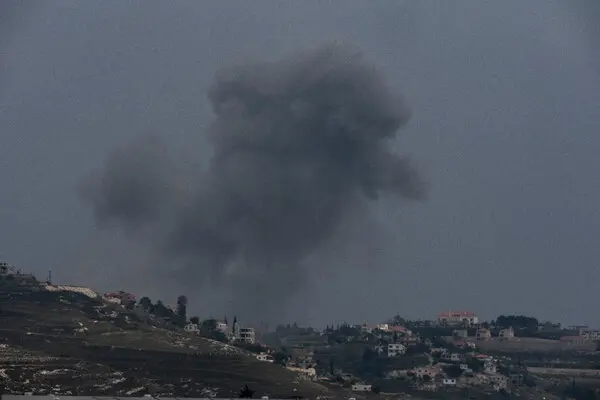
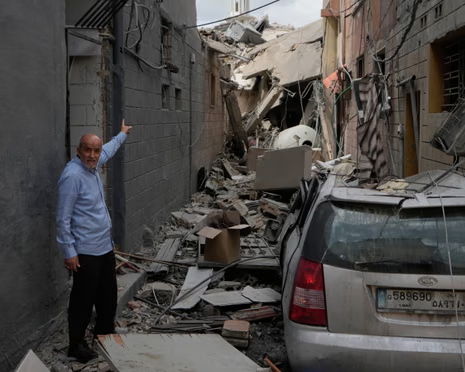
Israel conducted intense airstrikes across southern Lebanon on Tuesday, targeting various locations and significantly pounding the region. The bombardments mark a significant escalation in military operations within Lebanese territory, raising alarms across the international community. These strikes occurred in areas including Nabatieh and Borj El Chmali, according to reports from Lebanon, indicating a broad scope of operations. The Israeli military stated its actions were in response to ongoing security threats emanating from the region, asserting a need to neutralize perceived dangers. The escalation has drawn international attention as regional tensions continue to rise, with many observers expressing concern over the potential for wider conflict. The intensity of the airstrikes suggests a determined effort by Israeli forces to achieve specific military objectives in southern Lebanon.
Intensified Military Operations and Civilian Impact
At least 31 people were killed, including six children, and dozens more were wounded across southern Lebanon following the intensified military operations. The casualties show the human toll of the recent strikes, which have prompted significant concern among local communities and international observers. Among the fatalities, 14 people died in a single attack targeting Borj El Chmali, according to local reports. This incident contributed significantly to the overall casualty count, noting the concentrated and devastating impact of some of the strikes in specific areas. The attack on Borj El Chmali, in particular, drew sharp condemnation due to the high number of civilian fatalities in a single event. The sheer scale of casualties from these operations has raised questions about the proportionality of the military response and its adherence to international humanitarian law.
In addition to the direct casualties, Israeli forces also issued approximately 50 forced displacement orders for towns and villages located in the south and east of the country. These orders additionally included the entire city of Nabatieh, compelling residents to evacuate their homes on short notice. The displacement directives have affected a broad swathe of the population, leading to widespread movement and disruption in the affected regions. Thousands of families have been forced to abandon their homes and livelihoods, seeking refuge in safer areas, often with limited resources. The scale of the displacement orders indicates a significant shift in the operational dynamics and the potential for a prolonged impact on civilian populations, creating a humanitarian challenge in an already volatile area. The forced evacuations have exacerbated the suffering of local communities, adding another layer of complexity to the ongoing crisis.
Strategic Diplomatic Separation Amidst Military Advances
Israeli Prime Minister Benjamin Netanyahu stated the Israeli army was “operating with large forces on the ground and seizing dominant terrain.” This declaration came as reports suggested that Israeli troops have advanced beyond the "Yellow Line," a demarcation established under the 16 April ceasefire. The reported advance indicates a potential shift in the operational parameters agreed upon previously, challenging the existing fragile stability. This movement beyond the established line represents a significant military development, potentially altering the strategic landscape in southern Lebanon. The Israeli Prime Minister's statement shows the resolve of his government to pursue its military objectives, even at the risk of escalating regional tensions.
Meanwhile, diplomatic efforts related to regional de-escalation have encountered specific conditions from Tehran. Iran has insisted that any ceasefire arrangement tied to negotiations with Washington should also extend to Lebanon. This position from Iran links the cessation of hostilities in one arena to broader regional considerations, including the situation in Lebanon, emphasizing the interconnectedness of regional conflicts. Iran's stance notes its strategic interests in the region and its role as a key player in any full peace initiative. This condition complicates the diplomatic landscape, as it ties the resolution of one conflict to another, creating a more intricate web of negotiations.
US President Donald Trump holds significant leverage over Israeli decision-making, a factor that could influence the trajectory of both military operations and diplomatic engagements. The influence of the US President is cited as a key element in understanding Israel's strategic calculations in the region, given the strong alliance between the two nations. The ongoing military actions and the diplomatic conditions set by Iran highlight the complex interplay of internal and external pressures on all parties, making any resolution highly challenging. The United States' role as a mediator and ally is therefore key in navigating these intricate dynamics.
Upcoming Talks and Enduring Obstacles
Israeli and Lebanese military delegations are scheduled to convene at the Pentagon next week for security talks mediated by the United States. This meeting aims to address ongoing security concerns and potential de-escalation efforts, providing a key platform for dialogue amid heightened tensions. However, the prospect of a lasting resolution remains complicated by existing conditions. Israel's ongoing occupation of approximately six percent of Lebanese territory, a situation that could persist indefinitely, adds a layer of complexity to future negotiations. This long-standing territorial dispute remains a significant point of contention and a major hurdle to achieving a full peace agreement. The continued occupation fuels resentment and complicates efforts to build trust between the two sides.
Israeli leaders have publicly conditioned any withdrawal from southern Lebanon on Hezbollah’s full disarmament. This condition sets a significant benchmark for any potential agreement, linking Israeli military disengagement directly to the status of Hezbollah's armed capabilities within Lebanon. The demand for disarmament introduces a major obstacle to diplomatic efforts, given Hezbollah's integral role in the Lebanese political and security landscape, where it maintains significant influence and military power. This fundamental disagreement over Hezbollah's status is a core impediment to any long-term resolution. The upcoming Pentagon talks will therefore navigate these entrenched positions, attempting to find common ground amidst deeply rooted strategic demands from both sides, in an environment fraught with military escalation and complex diplomatic conditions.