Local media outlets have reported the continuation of ceasefire violations in Lebanon by the Zionist regime. These actions have been met with responses from the Hezbollah resistance movement, contributing to persistent regional tensions. The ongoing exchanges and violations have been noted by prominent sources such as Mehr News Agency and Al-Mayadeen, which consistently monitor developments in the area. These reports show a continuing pattern of military activity despite international calls for de-escalation.
Escalating Attacks on Lebanese Territory
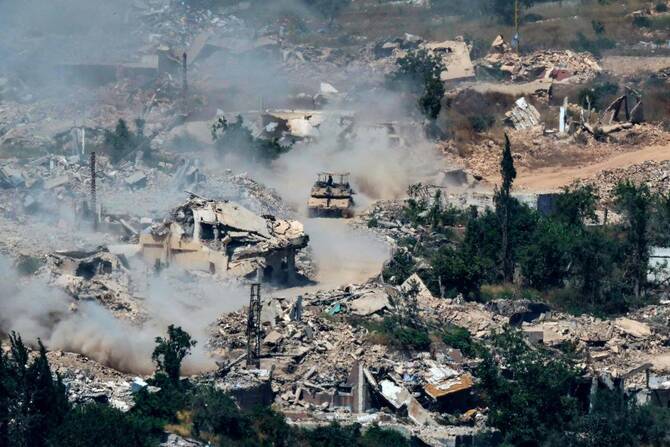
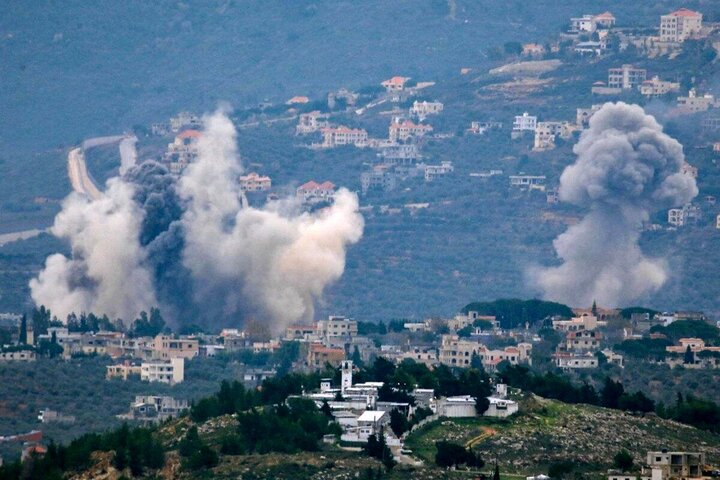
In the latest case of ceasefire violations in southern Lebanon, the occupying army once again targeted the town of Kafr Benit in the Nabatiyeh district with a drone attack. This incident marks a significant escalation in the series of reported breaches. Drone attacks were also reported to have struck the towns of Kafr Benit and Beit Yahoun, along with the area situated between Hadada and Haris in southern Lebanon. The area between Hadada and Haris, a critical zone, was specifically targeted by the occupying army's drone attack, indicating a focused operational scope.
Further intensifying the situation, an Israeli helicopter dropped a sonic bomb on residents of the town of Beit Yahoun, resulting in a number of injuries among the local population. This type of attack, while not directly kinetic, can cause significant psychological distress and physical harm to those affected. Concurrently, local sources reported that the Zionist military was advancing towards the Ali Taher region, also located in southern Lebanon. The reported advance suggests a potential ground component to the ongoing military operations, adding another layer of concern for the stability of the border region. These repeated incursions and aggressive acts highlight a volatile security environment, with the frequency and nature of the attacks raising alarms among residents and regional observers. The targeting of multiple locations within southern Lebanon by both drone strikes and other aerial assets points to a concerted effort by the Zionist regime.
Surveillance and Wider Impact
Beyond direct attacks, local Lebanese media outlets, including the "Bint Jbeil" Telegram channel, have also reported the flight of Israeli spy drones over the southern suburbs of Beirut. These reports indicate an expansion of surveillance activities beyond the immediate southern border region, extending into more populated and central areas of Lebanon. The presence of such drones suggests a broader pattern of reconnaissance operations, gathering intelligence and maintaining an aerial presence deep within Lebanese airspace. This expanded observation capability could have significant implications for regional security assessments, as it demonstrates an extended reach for Israeli intelligence-gathering efforts.
The "Bint Jbeil" Telegram channel cited these flights as part of the persistent Israeli aerial presence, emphasizing that such incursions are not isolated incidents but rather a continuous feature of the security landscape. The reported drone activity contributes to the ongoing tensions in the area, as various Lebanese sources continue to document Israeli aerial incursions, further fueling a sense of insecurity among the civilian population. Such surveillance operations are often seen as preparatory actions for potential future engagements, adding to the apprehension in the region.
Diplomatic Context and Unheeded Warnings
According to the Lebanese Al-Mayadeen news network, the Zionist regime's aggressive actions and violations of fire in southern Lebanon persist. These continued operations occur despite an Iran-US memorandum of understanding that emphasized the necessity of stopping the war on all fronts, particularly in Lebanon. The memorandum's stated aim to de-escalate hostilities has, according to Al-Mayadeen, not led to a cessation of Israeli military activities in the border region. This ongoing disregard for diplomatic efforts shows the complex and intractable nature of the conflict. The continued violations therefore draw scrutiny from regional media outlets monitoring the conflict, noting the gap between diplomatic initiatives and on-the-ground realities. The reports from Al-Mayadeen and other local sources consistently point to a situation where agreements aimed at reducing hostilities are not being observed, leading to a sustained state of alert and conflict in southern Lebanon.