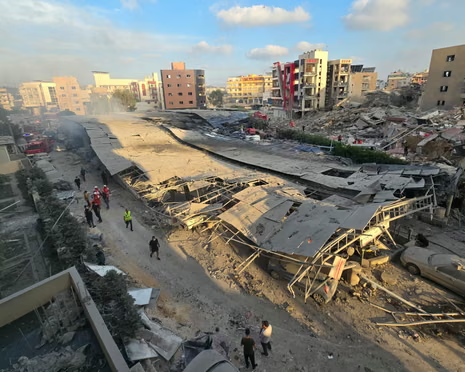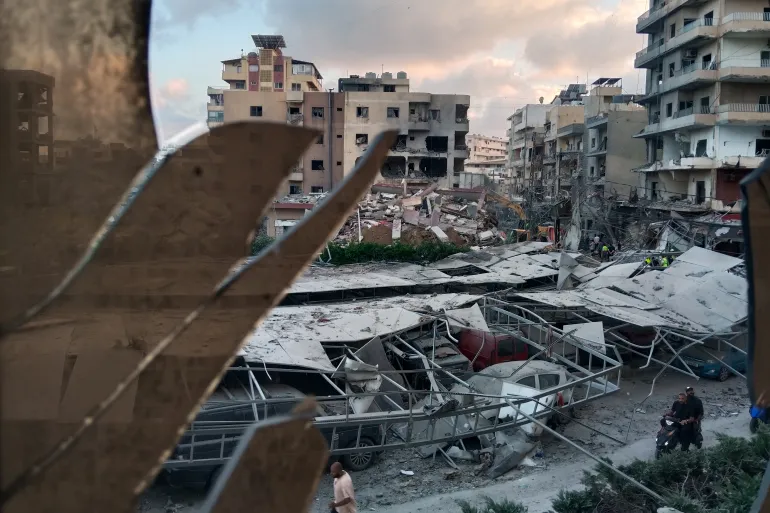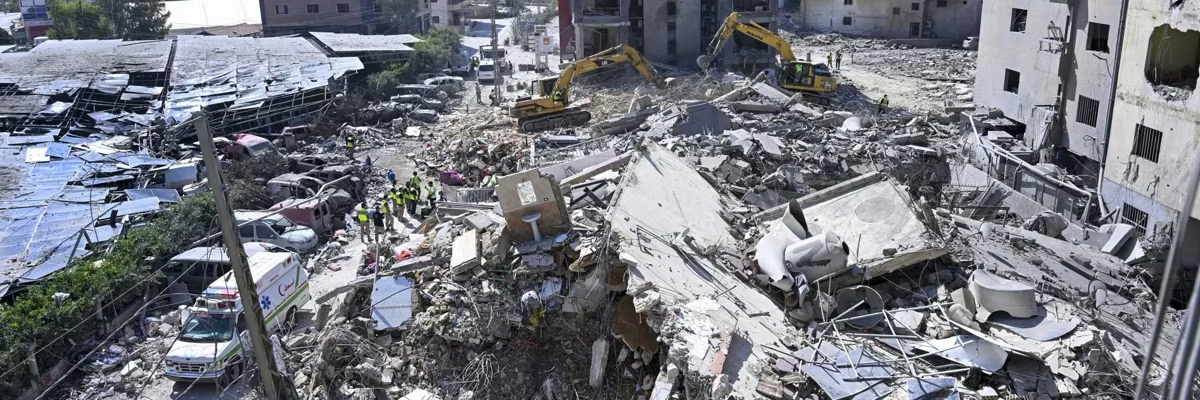
Lebanon's Ministry of Public Health reported on Tuesday, June 2, 2026, that the cumulative toll of military aggression between March 2 and June 2 had reached 3,468 dead and 10,577 injured. The ministry stated, "The cumulative toll of the aggression from March 2 to June 2 has reached 3,468 dead and 10,577 injured." This assessment of casualties comes as conflicting claims regarding de-escalation efforts emerged.
On Monday, after Iran reportedly halted talks with the US over Israel’s attacks on Lebanon, former President Donald Trump made claims on Truth Social regarding a cessation of hostilities. Trump asserted that Israeli troops "have already been turned back" from Beirut, and that Hezbollah "agreed that all shooting will stop—That Israel will not attack them, and they will not attack Israel." These statements followed reports of diplomatic efforts to calm tensions in the region.
Escalating Civilian Toll
Israeli attacks on Tuesday resulted in multiple fatalities across southern Lebanon. Two Syrians died in an Israeli attack on a plant nursery in Jebchit, Nabatieh governorate. Israeli drone strikes hit a motorcycle on Martyr Sabra Street in Toul and a car in the Dhi’at al-Arab neighborhood of Ansar, killing two people. A third Israeli strike hit a car near the village of Harouf, killing one person, and another Israeli drone strike on the road linking Marjayoun with Nabatieh killed dentist James Karam, his daughter, and his son. Reports indicated that at least four people were killed in the overnight strikes alone. The Lebanese Civil Defense also reported that Israel’s Monday airstrike in Marwaniyeh killed six members of the Hassan Abdullah family.
Reports indicated that Israel killed 10 people on Friday, including a child and six paramedics. An ambulance was bombed in the town of Deir Qanoun en-Nahr, killing two paramedics and a child. A second Israeli airstrike on Hannaouiyah killed four paramedics from the Islamic Health Association. Ahmed Hariri, a photojournalist who also worked as a photographer for the civil defense, was among the dead. One of the paramedics killed on Friday also worked as a photojournalist, according to reports.
The current round of conflict in Lebanon began on March 2. More than 3,111 people have been killed since the latest round of fighting between Hezbollah and Israel started on March 2. Of these, 817 have either been killed or their bodies found since the ceasefire was established.
Attacks on Healthcare Infrastructure
On Monday, Israel attacked the Jabal Amel Hospital in Tyre, killing at least four people and injuring dozens more, according to World Health Organization (WHO) representative Dr. Abdinasir Abubakar. The attack caused significant damage to the hospital's emergency department and intensive care unit. Reports indicated that Tebnine public hospital also sustained heavy damage from an airstrike on Thursday, with staff members injured during the incident.
Several hospitals in southern Lebanon have been damaged or rendered inoperable by Israeli strikes, the WHO confirmed. Currently, six hospitals have not yet resumed maternity delivery services and are providing only emergency room care. WHO data also verified nearly 200 attacks on healthcare facilities and workers in Lebanon over the past three months. Separately, reports indicated that 123 medics have been killed by Israel.
Omar Ebeid, Doctors Without Borders' project coordinator in southern Lebanon, stated on Tuesday that "these repeated attacks reflect a grave failure to protect the medical mission and show the urgent need to safeguard civilians, medical staff, health facilities, and continuous access to lifesaving care."
Diplomatic Maneuvers and US Reactions
President Donald Trump made claims of de-escalation following Monday phone calls with Israeli Prime Minister Benjamin Netanyahu and an intermediary for Hezbollah. Trump asserted that Israeli troops "have already been turned back" from Beirut, and that Hezbollah "agreed that all shooting will stop—That Israel will not attack them, and they will not attack Israel." Netanyahu said later Monday that he told President Trump that if Hezbollah does not stop attacking Israel's cities and civilians, Israel will strike terrorist targets in Beirut, adding, "This position remains unchanged." Axios reported that one US source summarized Trump’s remarks to Netanyahu as: "You’re fucking crazy. You’d be in prison if it weren’t for me. I’m saving your ass. Everybody hates you now. Everybody hates Israel because of this." Another source told Axios that Trump was "pissed" and yelled at Netanyahu, "What the fuck are you doing?"
A ceasefire had been agreed to in April, stemming from Trump and Netanyahu’s war on Iran, though Israel initially claimed it did not include Lebanon. A temporary ceasefire between Lebanon and Israel has been extended twice. Republican Congressman Thomas Massie stated, "It’s all talk. Just withhold foreign aid to Israel for a month, and they’ll stop bombing their neighbors—instant peace, the Strait of Hormuz can be opened, and gas drops $2 a gallon. Israel has been, and continues to be, the biggest welfare recipient from American taxpayers." Massie also said, "The more Netanyahu prevents the war with Iran from ending, the more obvious it becomes that he convinced Trump to start it." Progressive Democratic Congresswoman Ilhan Omar commented, "The lesson Israel has learned, time and again, is that it can commit genocide and other atrocities with near-total impunity. Now it’s exporting the Gaza playbook to Lebanon. Israel’s war in Lebanon is killing thousands and displacing over a million. NO MORE US AID TO ISRAEL." Another round of direct negotiations between Israel and Lebanon, brokered by Washington, began Tuesday in the US capital, with Lebanese negotiators seeking a full ceasefire.
Continued Cross-Border Exchange
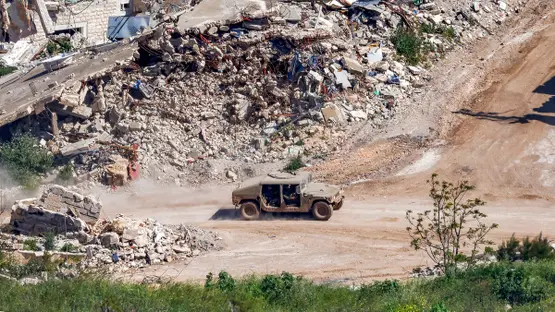
Israel conducted overnight strikes on Lebanon’s Bekaa valley and the southern province of Tyre, reducing buildings to craters in southern Lebanon, according to reports. Strikes continued into Saturday morning, hitting close to Lebanese army barracks. In Nabatieh, a man on a motorcycle was killed, and casualties were reported in Chehabiyeh. The Israeli military stated it was examining claims that “several uninvolved individuals in the area, who were not the targets of the strikes, were harmed” in Hannaouiyah and Deir Qanoun en-Nahr. The military also claimed it took steps to mitigate potential civilian harm by ordering residents to leave, asserting it was targeting identified Hezbollah fighters.
Since a US-brokered ceasefire was announced in April, Israel has continued striking Lebanon regularly, both north and south of the Litani River. Hezbollah has also continued attacking Israeli forces in southern Lebanon, increasingly utilizing low-budget, first-person-view drones. Hezbollah reported targeting a gathering of Israeli soldiers with artillery shells outside the south Lebanese village of Deir Siryan on Friday night and attacking an Israeli drone with a surface-to-air missile that same evening. Israel also struck the mountainous area on the outskirts of Brital in the Bekaa valley.
Accountability and Future Prospects
The Israeli military stated it was examining claims that “several uninvolved individuals in the area, who were not the targets of the strikes, were harmed” in Hannaouiyah and Deir Qanoun en-Nahr. The military added that it took steps to mitigate potential civilian harm, partly by ordering the population in both areas to leave, and claimed it was targeting identified Hezbollah fighters in the area. Official data indicates that in 88% of cases where the Israeli military has stated it will investigate allegations of war crimes, these investigations have been closed or remain unresolved.
Prior to attacks in Tyre on Friday, the Israeli military issued evacuation warnings for two areas in the southern Lebanese city and the village of Burj Rahal. Israel also released videos, which it claimed showed its strikes on an underground weapons facility in Brital. Bellingcat's analysis reports that the Israeli military has demolished or damaged at least 46 villages in areas under its control. The ceasefire has not halted fighting but has largely spared the Lebanese capital of Beirut from strikes. Hezbollah launched rockets at Israel in retaliation for the killing of Iranian supreme leader Ayatollah Ali Khamenei. The Israeli bombing campaign and subsequent invasion followed Hezbollah's rocket launch.