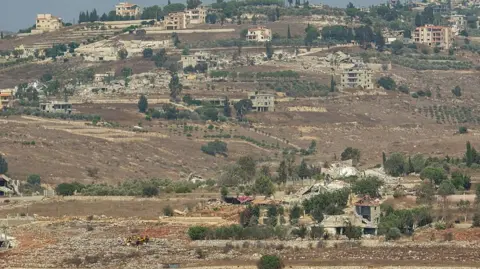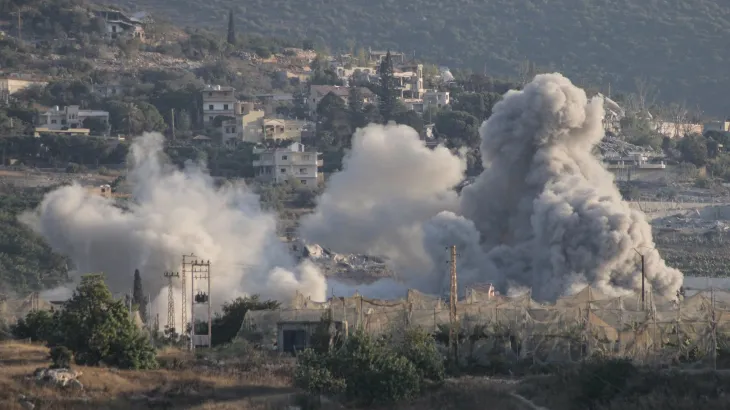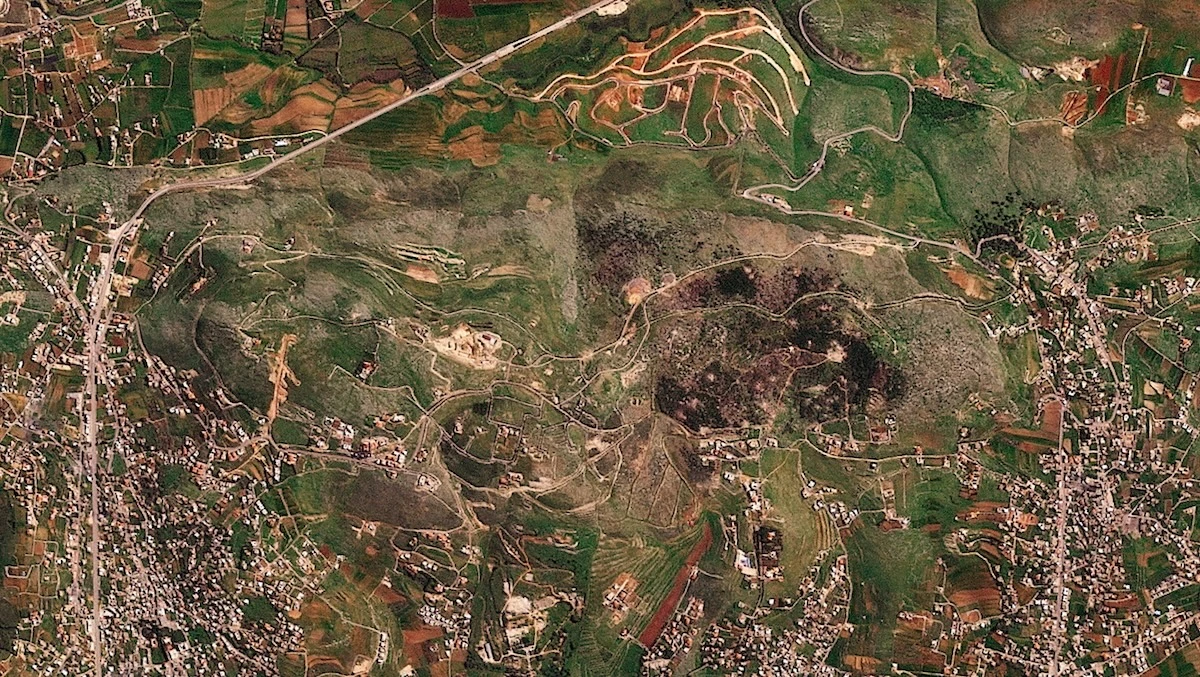
Israel's military announced on Thursday it had taken "operational control" of the strategic Ali al-Taher ridge area in southern Lebanon. The Israel Defense Forces (IDF) statement detailed the advance into the elevated territory, which is located in a critical zone near the border. This development marks a significant tactical move in the ongoing regional tensions, particularly as the Ali al-Taher ridge area has been the site of sporadic clashes between Israeli forces and Hezbollah in recent weeks. The ridge's elevated position offers a commanding view of the surrounding landscape, including areas deeper within southern Lebanon, making its control highly valuable for military operations.
Hezbollah's Underground Network Dismantled
The military reported that its troops had successfully cleared Hezbollah fighters from two underground routes within the ridge area. During these operations, some Hezbollah operatives were killed, while others fled the area, according to the IDF. Operations aimed at neutralizing this extensive underground infrastructure, after clearing them of Hezbollah operatives, are continuing. Inside these subterranean facilities, Israeli forces discovered a sophisticated network. This included operations rooms, rooms specifically designated for combat gear, and others equipped for generators and accommodation. The infrastructure also notably included showering facilities and a fully functional kitchen, indicating a capacity for sustained occupation. The military described these facilities as "strategic infrastructure" that had been meticulously built over two decades, signifying a long-term investment by the militant group. Israeli forces accused the fighters operating within these facilities of working to carry out plots against Israel and army forces, showing the perceived threat posed by the network.
Strategic Importance of the Ridge
The Ali al-Taher ridge area has been the site of sporadic clashes between Israeli forces and Hezbollah in recent weeks, noting its contested nature. The Ali al-Taher hill provides an invaluable overlook of several villages as well as main roads that lead directly to the city of Nabatieh, according to military assessments. This geographical advantage makes it a key location for controlling movement and observation in the region. Losing control of this strategic ridge would significantly disrupt Hezbollah’s presence and supply lines in the area, officials stated, impacting their operational capabilities. Military sources further claim that operations conducted in the area in recent weeks have successfully neutralized the capability to launch attacks against Israelis and army forces from the ridge, thereby enhancing security along the border. The IDF's sustained efforts in the region are aimed at dismantling Hezbollah's infrastructure and preventing future aggressions.
Iranian Funding and Long-Term Planning
Hezbollah is believed to possess an extensive underground military facility within the Ali al-Taher area, which has now been targeted by Israeli forces. These elaborate facilities were reportedly planned and funded by the Iranian regime, a claim frequently made by Israeli military intelligence. The Israeli military has consistently noted what it describes as Iran's key role in supporting and arming Hezbollah, particularly in developing sophisticated infrastructure in southern Lebanon. This alleged funding and careful planning from Iran are seen by Israeli officials as central to Hezbollah's long-term strategy in the region, aimed at establishing a strong and resilient operational base near the Israeli border. The discovery of such extensive and long-standing infrastructure shows ongoing concerns about the group's capabilities and its substantial financial backing from external state actors. The IDF asserts that this operation is a key step in degrading Hezbollah's military capabilities and safeguarding Israeli security interests.