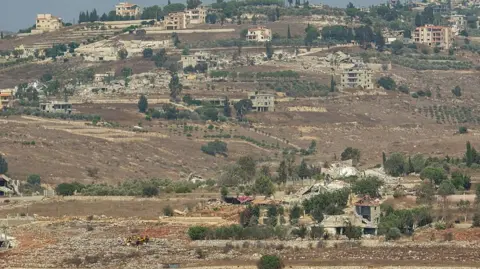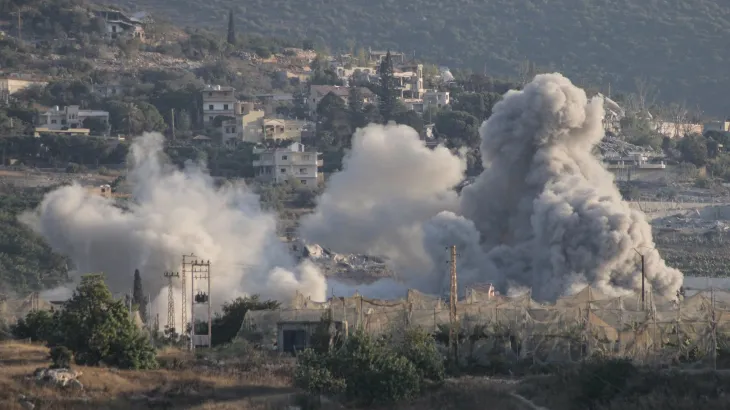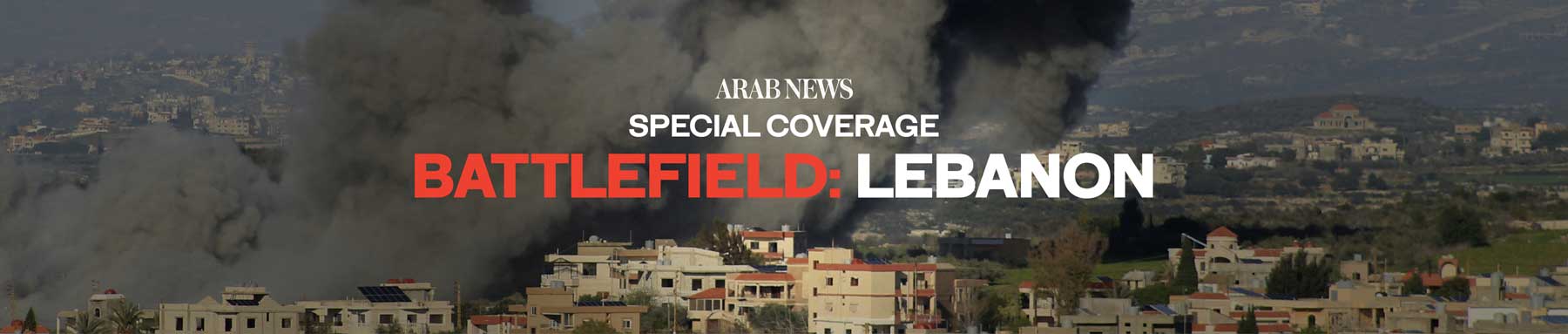
Israel's Defense Minister Israel Katz announced and hailed the capture of the strategic Ali Al-Taher ridge from Hezbollah, claiming a major victory in the ongoing conflict. The ridge, which overlooks a wide area and had become one of the most hotly contested areas in the Israel-Hezbollah war, now "no longer threatens us," Prime Minister Benjamin Netanyahu stated on Thursday night. This development marks a significant shift in the conflict's dynamics. Katz declared, "The capture of the Ali Al-Taher ridge marks the completion of the phase of securing control in the security zone in southern Lebanon." He added that the Israeli military "will now complete the neutralization of the tunnels and prepare in the appropriate tactical manner to hold the ridge and prevent the enemy from re-establishing itself in the area." Netanyahu praised the Israeli army, saying, "We instructed the IDF (Israeli army) to clear it … they did tremendous work there." Katz affirmed Israel would not withdraw from the security zone until Hezbollah is disarmed.
Securing the Strategic High Ground
Israel claims Hezbollah utilized the Ali Al-Taher ridge as a strategic high point to launch attacks on Israeli targets. The Israeli military stated that Hezbollah had established a vast network of tunnels under the ridge, which also housed a command structure. These subterranean fortifications were a key element of Hezbollah's operational capabilities in the area. Clearing operations by Israel's military successfully removed Hezbollah fighters who were entrenched and holed up in these tunnels, effectively dismantling a significant portion of their infrastructure. The Israeli military intends to complete the neutralization of the remaining tunnels and prepare to maintain control of the ridge, ensuring that the strategic high ground remains secured. Prime Minister Benjamin Netanyahu asserted that the ridge had been used to directly threaten northern Israeli settlements, specifically Kiryat Shmona and Metula, by serving as a launchpad for attacks. The capture of the ridge is therefore presented as a critical step in mitigating these threats to Israeli civilian populations.
Broader Security Zone Goals
The capture of the Ali Al-Taher ridge signifies a broader strategic objective for Israel, according to Defense Minister Israel Katz. Katz stated, "The capture of the Ali Al-Taher ridge marks the completion of the phase of securing control in the security zone in southern Lebanon." This declaration indicates a significant milestone in Israel's operational goals within the region, suggesting a consolidation of control over key areas that Israel deems vital for its security. The military's focus now shifts to consolidating its gains and preventing any resurgence of Hezbollah activity in the newly secured territory.
Katz clarified Israel's long-term intentions regarding its presence in the security zone. He asserted that Israel would not withdraw from the security zone in Lebanon until specific conditions are met. "Israel will not withdraw from the security zone in Lebanon until Hezbollah is disarmed throughout Lebanon and the threats over the residents of the Galilee are removed," Katz said. This statement links Israel's continued military presence to the complete disarmament of Hezbollah and the elimination of perceived threats to its northern Galilee region. This condition-based withdrawal policy shows the full nature of Israel's security objectives in southern Lebanon.
Context and Human Cost
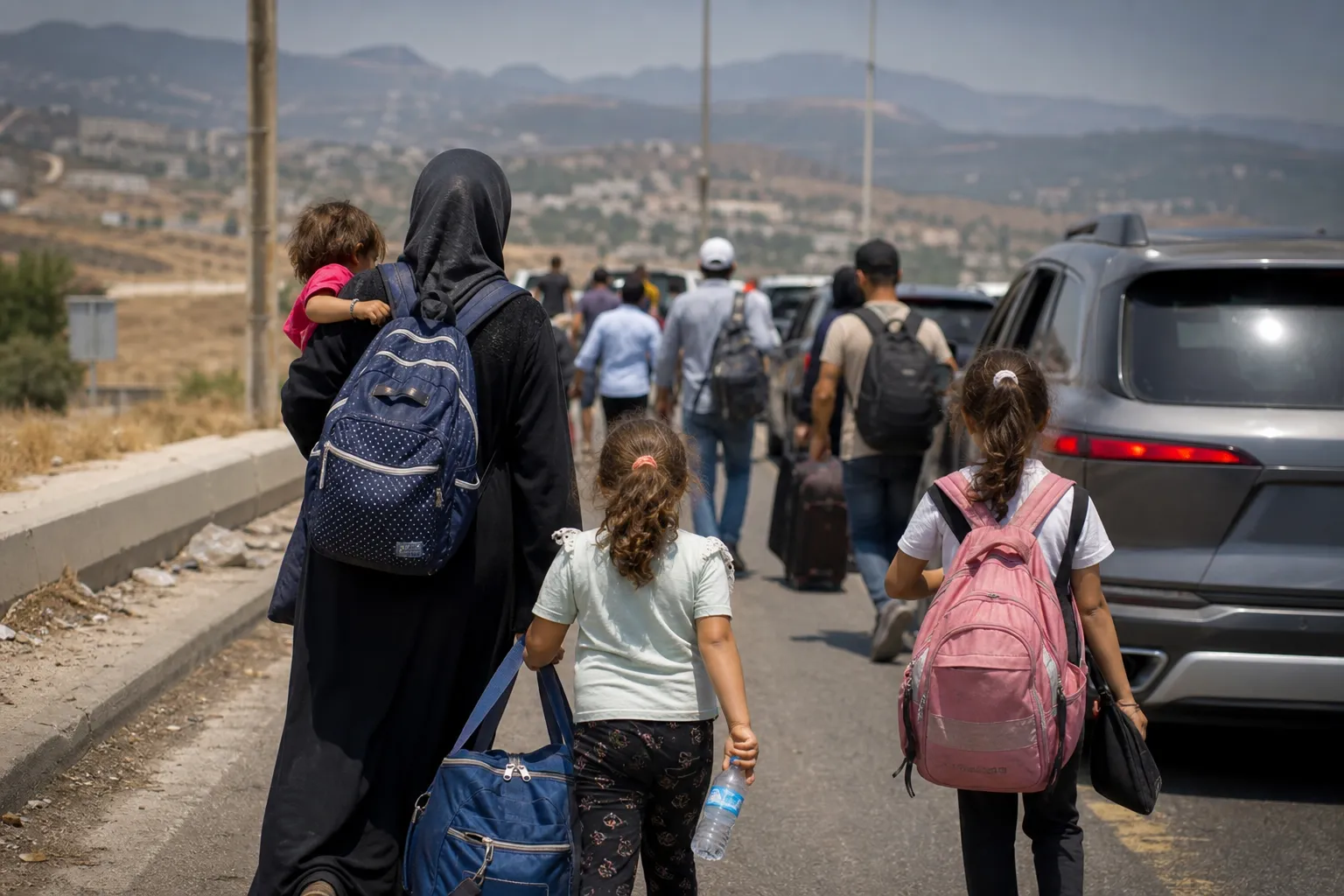
The conflict has seen a period of relative calm since a US-Iran memorandum of understanding and a framework agreement between Israel and Lebanon’s government were agreed upon in June. These diplomatic efforts had aimed to de-escalate tensions in the region. However, despite these agreements, Israel and Hezbollah have been trading fire since early March, indicating persistent tensions and a fragile security environment. The ongoing hostilities have exacted a heavy toll. Lebanese authorities state that Israeli airstrikes and a ground invasion have resulted in the deaths of more than 4,300 people, noting the severe human cost of the protracted conflict. This week, US forces resumed attacks on Iran, further complicating the regional security landscape and adding another layer of volatility to an already tense situation.