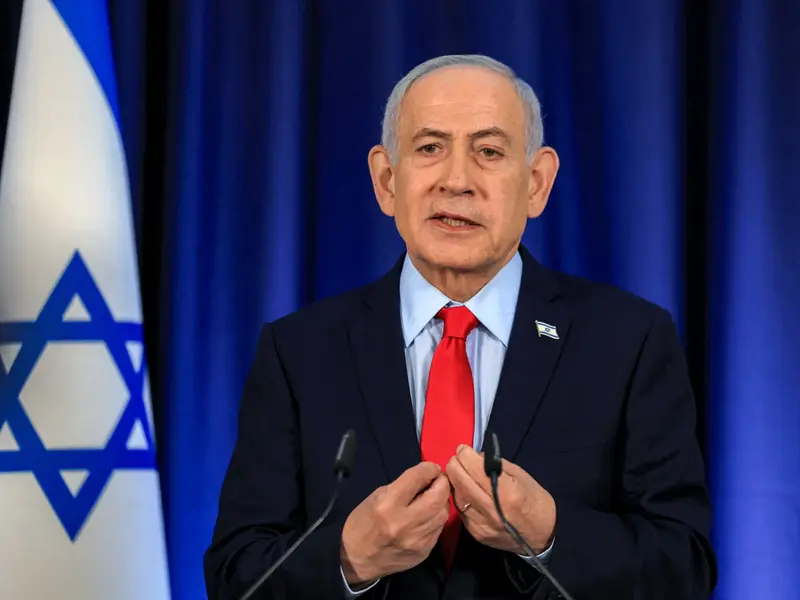
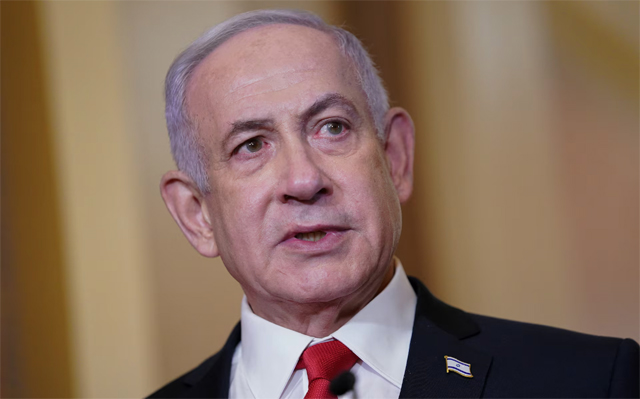
Israeli Prime Minister Benjamin Netanyahu stated on Friday that Israeli forces had advanced further into Lebanon, pushing deeper into the country. Netanyahu confirmed the military's movements, saying, "Our forces have crossed the Litani, they have moved up to the commanding terrain." He added that the operation was "hitting Hezbollah head on," signaling a significant escalation in the ongoing conflict. This advancement by Israeli forces marks a critical development in the region. Concurrently, Hezbollah announced it had carried out attacks on Friday, targeting soldiers, barracks, and a military camp in northern Israel. These attacks show the continued intensity of hostilities between the two sides.
Security Talks in Washington
Amidst the escalating military actions, military delegations from Israel and Lebanon convened landmark security talks in Washington. This high-level engagement marks a significant diplomatic effort to address the volatile situation. Lebanon’s military delegation to Friday’s discussions included six officers, headed by the army’s director of operations, Georges Rizkallah. The presence of such a senior figure indicates the importance Lebanon placed on these discussions. Brigadier General Amichai Levin, head of the strategic division of the army’s planning directorate, also visited Washington for the talks, representing the Israeli side. The engagement marks a significant development amid ongoing military activities in the region, offering a channel for communication despite the hostilities.
The meeting in the U.S. Capital brought together key military figures from both nations for discussions on security matters. The presence of high-ranking officers from both sides showed the gravity of the talks, noting the urgent need to address regional stability. These landmark security talks represent a rare direct engagement between military officials from both countries, focusing on the complex security challenges they face. The delegations aimed to address pressing security concerns affecting both Israel and Lebanon, seeking potential pathways to de-escalation or stability. The discussions in Washington took place against a backdrop of intensified military operations and a rising casualty count, adding pressure to the diplomatic efforts.
Escalating Conflict and Casualties
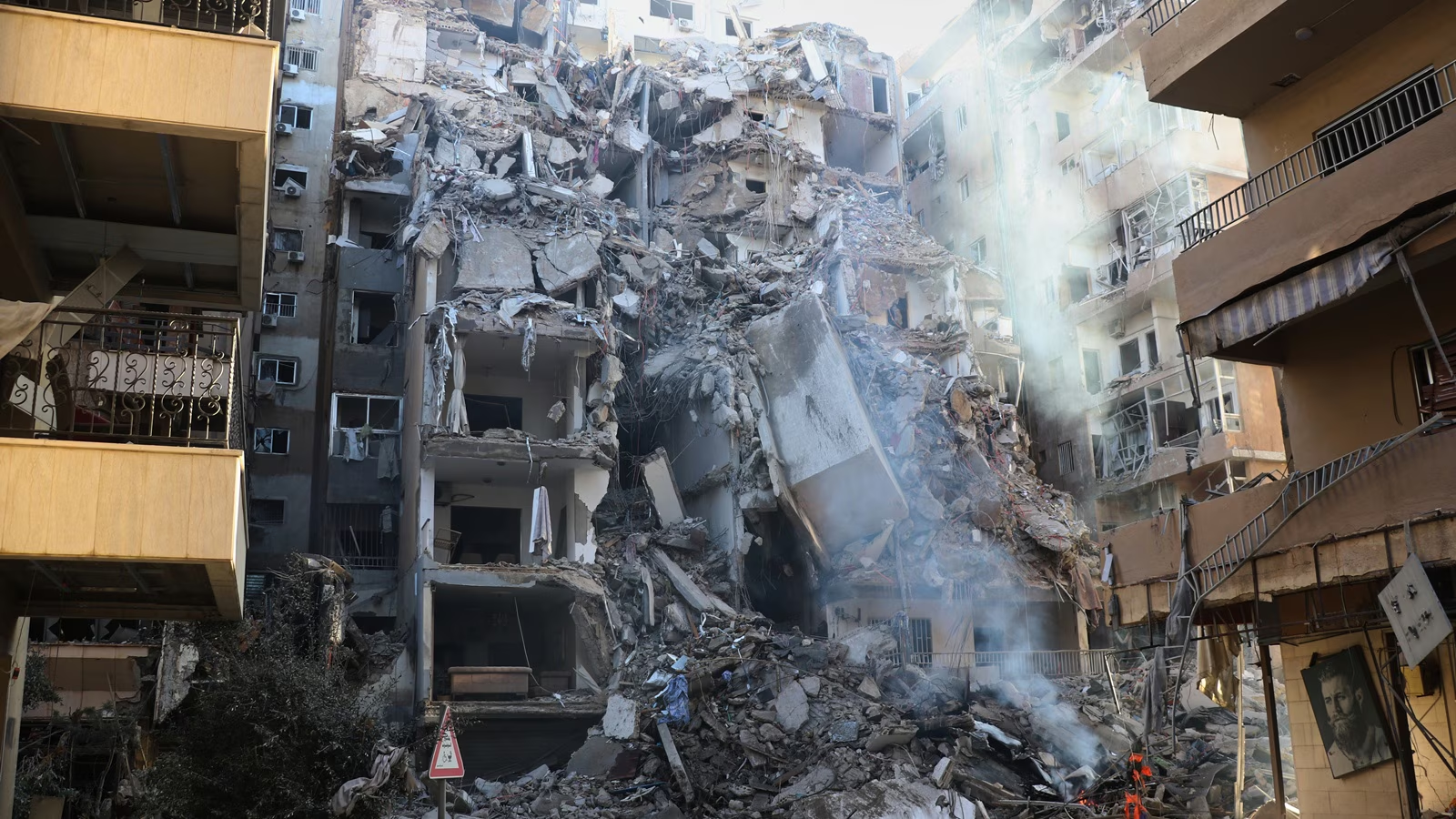
The humanitarian toll of the conflict continues to mount. Israeli strikes in the southern Lebanese city of Tyre resulted in the deaths of 11 people, according to Lebanon’s health ministry. These strikes targeted civilian areas, drawing international concern. The Israeli military confirmed in the early hours of Saturday morning that it had intercepted several projectiles launched from Lebanon. One projectile reportedly struck an area near the Israeli town of Kiryat Shmona, causing damage and raising fears among residents. The interception of these projectiles notes the ongoing aerial exchanges between the two entities.
Separately, Israeli airstrikes targeted more than 20 locations across southern Lebanon on Friday. These widespread strikes indicate a broad and sustained military operation. These strikes occurred amidst heightened military activity in the region, with both sides reporting continuous engagements. The escalation follows Israeli Prime Minister Benjamin Netanyahu's statement that Israeli forces had advanced into Lebanon beyond the Litani River, marking a deeper incursion than previously reported. The targeting of numerous sites across southern Lebanon suggests a strategic effort to degrade Hezbollah's capabilities and infrastructure in the area. The continuous nature of these operations contributes to the overall instability and humanitarian crisis in the region.
Background and Regional Context
The current Israeli military operations involve forces advancing beyond a river running approximately 30 kilometers (20 miles) north of the Lebanon-Israel frontier. This advancement signifies a substantial operational shift, moving well beyond the immediate border areas. This advancement comes as Lebanon was drawn into the regional conflict when Hezbollah launched rockets at Israel in early March. These initial rocket launches by Hezbollah were stated to be in retaliation for the death of Iran’s supreme leader in what it described as US-Israeli strikes, broadening the scope of the regional tensions.
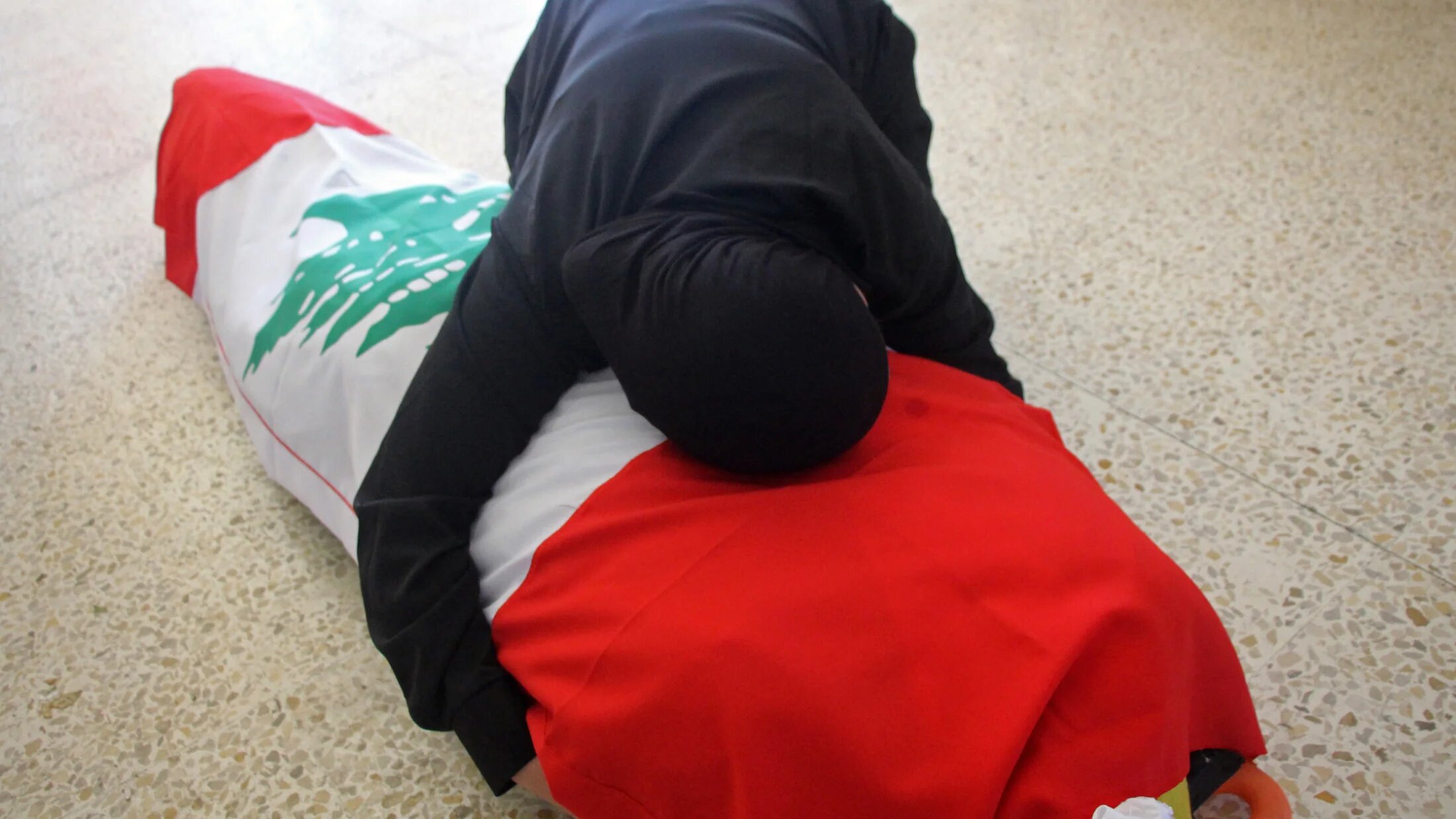
A truce intended to halt fighting between Israel and Tehran-backed Hezbollah officially took effect on April 17, aiming to bring a cessation to the hostilities. However, despite the formal implementation of this truce, military engagements have persisted, with both sides reporting continued actions. The truce's effectiveness has been severely tested by the ongoing operations. Since March 2, Israeli attacks have resulted in the deaths of at least 3,355 people in Lebanon, according to official figures. This grim statistic shows the severe human cost of the conflict, which continues to impact civilian populations across southern Lebanon. The continued violence, even after a declared truce, notes the deep-seated nature of the conflict and the challenges in achieving lasting peace.