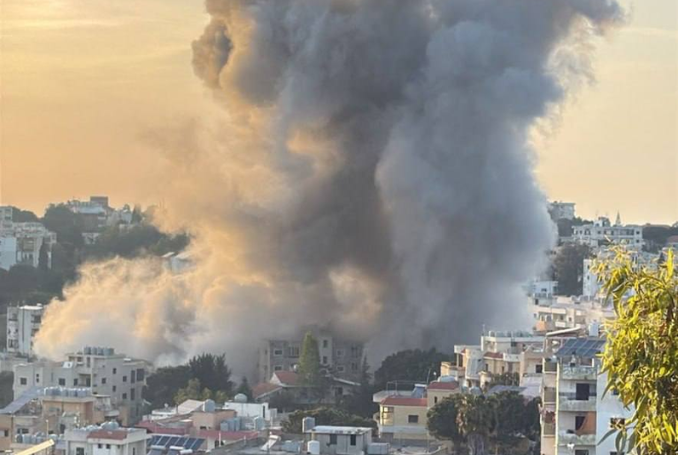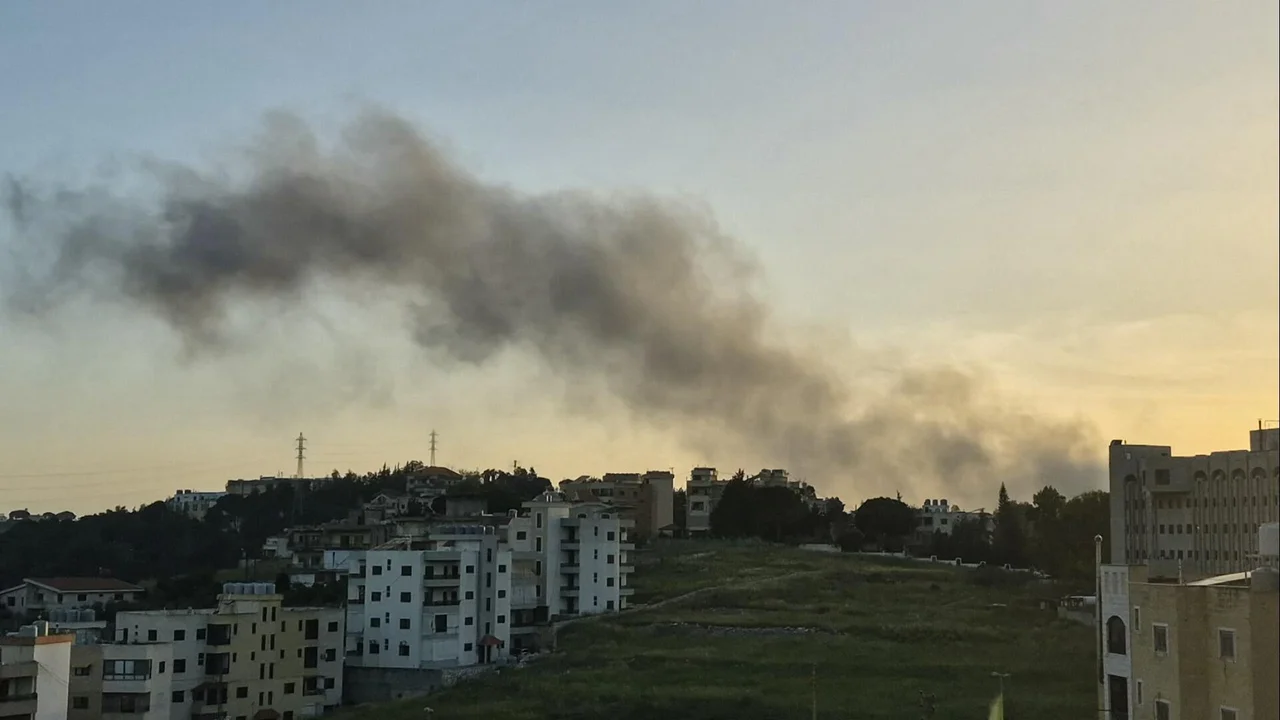
The International Rescue Committee (IRC) issued a stark warning from Beirut, Lebanon, on May 11, 2026, stating that the country's humanitarian crisis is nearing a breaking point amidst ongoing conflict. The organization noted deteriorating conditions for populations affected by the war, emphasizing critical needs for aid and protection. The IRC's assessment shows growing concerns for vulnerable communities as regional instability continues to impact Lebanon, pushing essential services and human resilience to their limits.
Escalating Displacement and Living Conditions
Over 1 million people have been displaced within Lebanon, a figure representing nearly 20% of the country's population. This massive internal displacement has severely compounded an already strained humanitarian situation, placing immense pressure on limited resources and infrastructure. Many of those displaced are now living in precarious conditions, having fled their homes due to hostilities and seeking safety wherever they can find it. The sheer scale of this displacement presents a formidable challenge for humanitarian aid efforts, requiring full and sustained support.
More than 126,000 individuals are currently residing in overcrowded makeshift shelters, according to recent assessments. These shelters, often hastily constructed, frequently lack adequate sanitation facilities, proper privacy, and sufficient protection from the elements, including harsh weather conditions. This environment exacerbates existing health and safety risks for vulnerable families, particularly women, children, and the elderly. The significant number of displaced persons places immense pressure on Lebanon's already fragile infrastructure and dwindling resources, contributing to the widespread deteriorating living standards across affected communities and increasing their susceptibility to disease and exploitation.
Urgent Health and Mental Health Needs
The International Rescue Committee (IRC) has structured its emergency response in Lebanon to prioritize critical healthcare, mental health services, and protection for affected populations. Addressing these urgent needs is central to the organization's efforts as the humanitarian crisis deepens, recognizing that physical and psychological well-being are fundamental to survival and recovery. The IRC's focus on these areas reflects the profound impact of conflict and displacement on individual and community health, aiming to provide immediate relief and foster resilience.
One key initiative supporting mental health is the 'National Lifeline', a free hotline established to provide suicide prevention and emotional support. This vital service offers a confidential and accessible resource for individuals experiencing profound distress, a common consequence of prolonged conflict, loss, and displacement. The lifeline's existence reflects the growing demand for mental health interventions amid ongoing instability and the severe psychological toll it takes on the population. The IRC emphasizes that access to such services is vital for community well-being in the current environment, helping individuals cope with trauma and maintain their mental health in extremely challenging circumstances.
IRC's Plea for International Support
The dire humanitarian situation has compelled families to take drastic measures to survive. One mother residing in a shelter described the heartbreaking reality of rationing food to ensure her children received only one meal per day. This stark account reflects the severe food insecurity and widespread economic hardship faced by many displaced individuals and vulnerable communities across Lebanon, where access to adequate nutrition has become a daily struggle. Such survival strategies highlight the urgent need for full food assistance and economic support programs.
Amidst these challenges, a three-week ceasefire extension was declared on April 23, offering a temporary window of reduced hostilities. While such pauses are critical for humanitarian access and providing a brief respite for affected communities, humanitarian organizations like the IRC stress the urgent need for sustained international support to address the escalating crisis comprehensively. The organization continues to advocate for increased funding and resources to meet the growing demands for aid, healthcare, and protection services across the country, emphasizing that temporary ceasefires alone cannot resolve the underlying humanitarian catastrophe.
Voices from the Ground
Over 360,000 displaced children in Lebanon are currently experiencing profound fear and uncertainty, according to reports from humanitarian organizations. Their circumstances highlight the profound and disproportionate impact of the ongoing conflict on the country's most vulnerable populations. Many children are living in precarious conditions, facing significant disruption to their daily lives and education, with many unable to attend school regularly. This disruption not only affects their immediate well-being but also threatens their long-term development and future prospects, showing the critical need for child-focused protection and educational interventions.