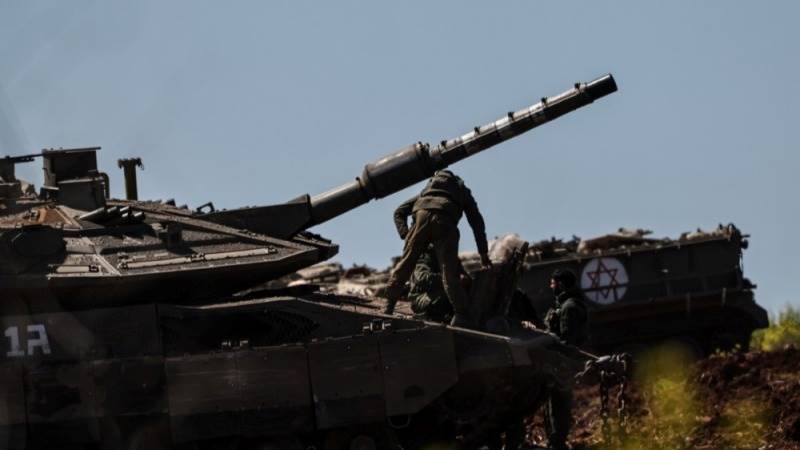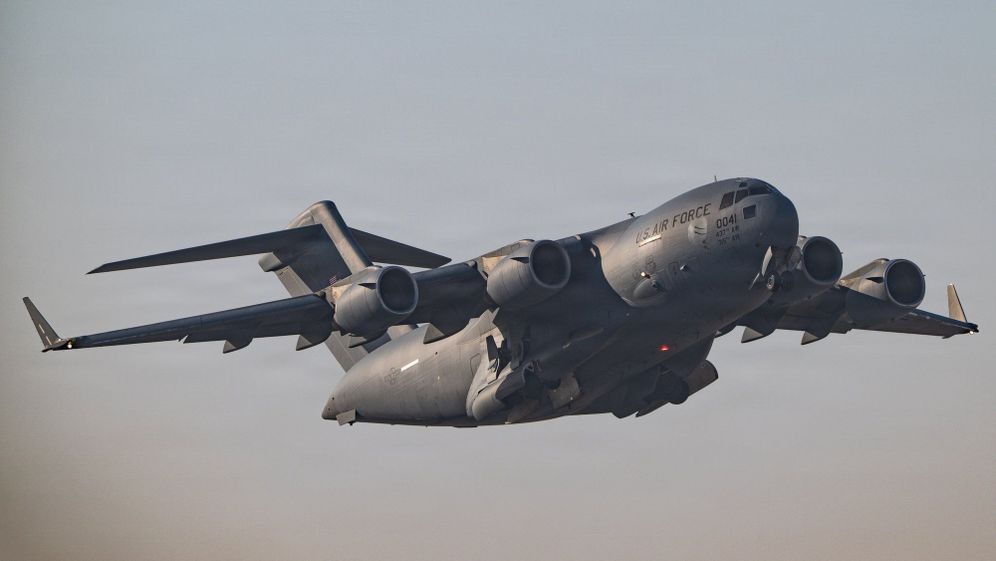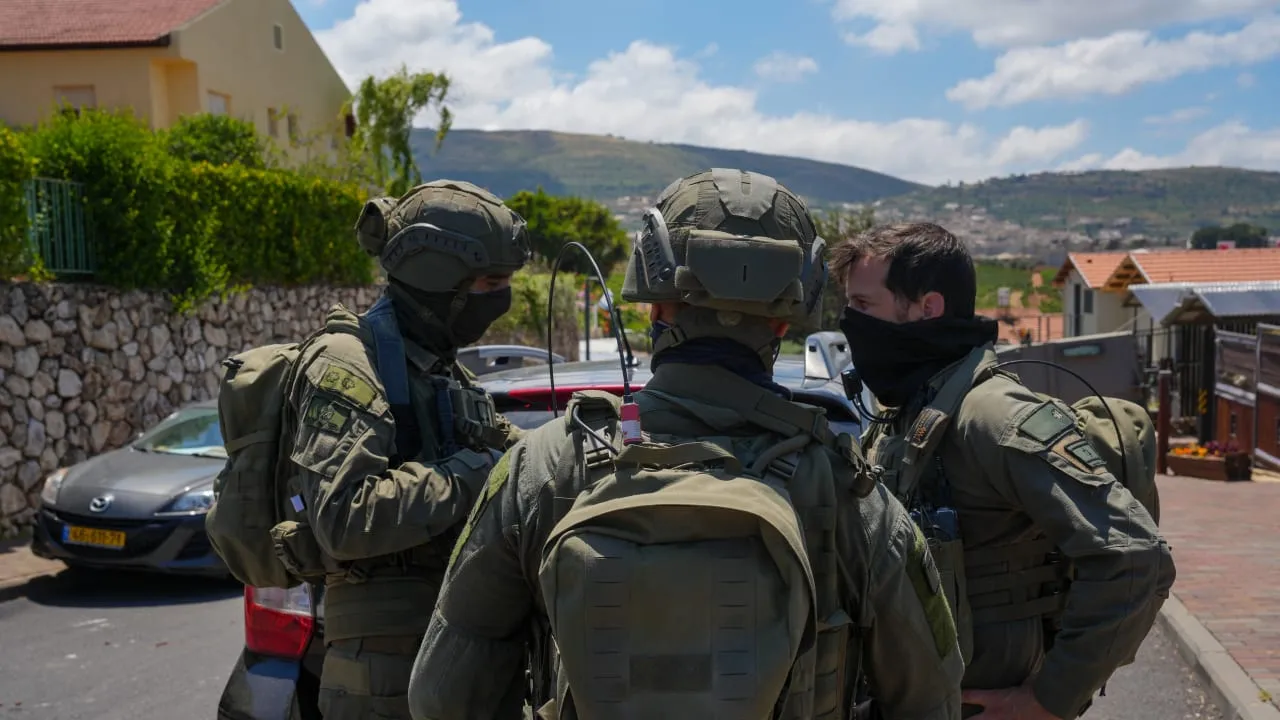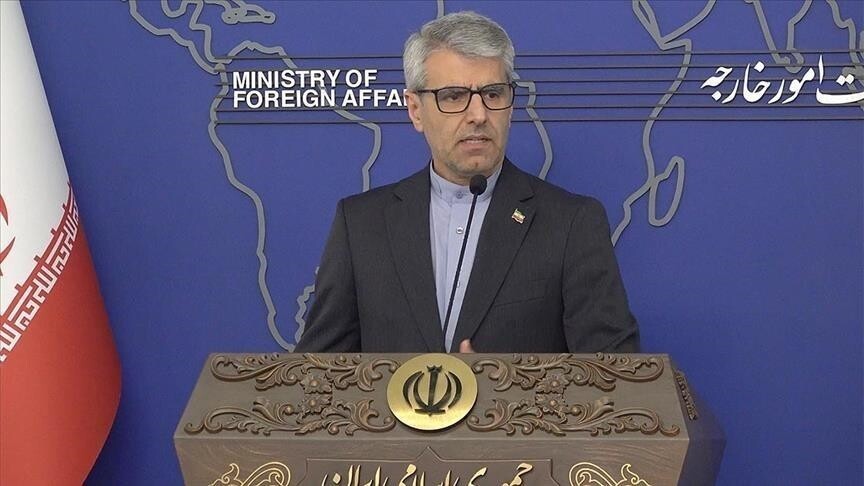
Iran issued a warning on Monday, stating it would not hesitate to assist Lebanon in resisting what it described as Israel's "illegal aggression." The declaration from Tehran comes amid renewed Israeli strikes in the region, intensifying an already volatile situation in the Middle East. Iran has consistently expressed solidarity with Lebanon, particularly in the face of ongoing tensions and military actions, portraying itself as a steadfast ally against perceived external threats. The statement shows Iran's position regarding regional conflicts involving Israel and its allies, signaling potential involvement should the conflict escalate further. This firm stance from Tehran adds another layer of complexity to the delicate geopolitical balance in the Levant.
Escalation and Ceasefire Context
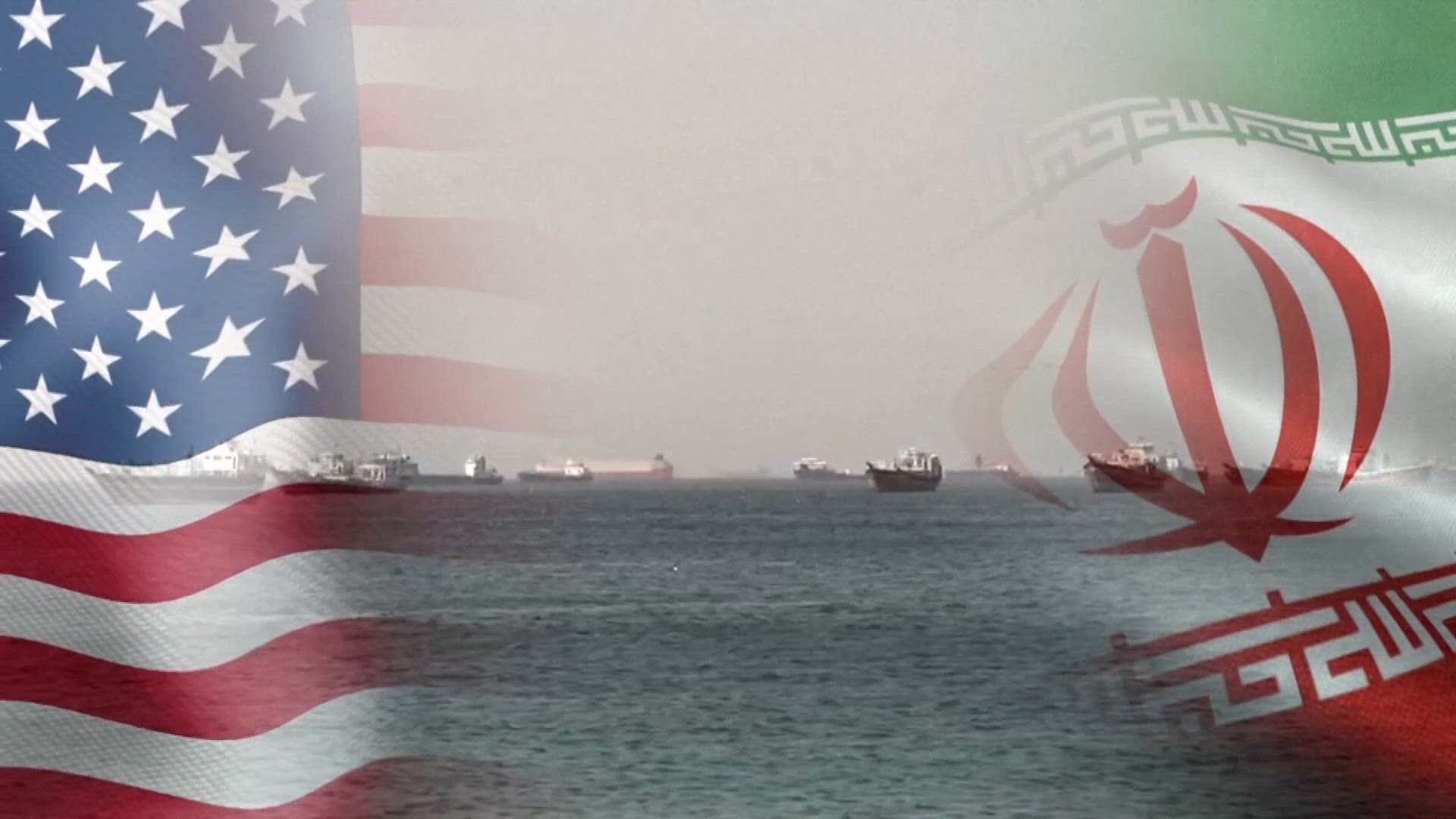
Tensions in the Middle East have escalated significantly since February, following strikes launched on Iran by the US and Israel. These initial strikes marked a critical turning point, leading to a rapid deterioration of regional stability. In response to these actions, Tehran retaliated with a series of its own, targeting Israel and US allies in the Gulf. This included the strategic closure of the Strait of Hormuz, a vital global shipping lane, which sent ripples through international markets and raised concerns about global energy security. These actions collectively marked a significant uptick in hostilities between the involved parties, moving beyond proxy conflicts to direct confrontations.
Despite the heightened tensions, a ceasefire eventually took effect on April 8, brokered through diligent Pakistani mediation efforts. This temporary cessation of hostilities offered a glimmer of hope for de-escalation. Subsequent discussions held in Islamabad aimed at building upon this ceasefire and producing a lasting agreement between the nations involved. However, these key talks ultimately failed to yield a durable resolution, leaving the regional security situation precarious. The lack of a full agreement has prompted further international concern over potential future confrontations and the long-term stability of the region. The intermittent nature of the ceasefire and the failure of diplomatic efforts highlight the deep-seated mistrust and conflicting interests that persist among the key players.
Iran's Stance on Aggression
Iran's parliament speaker, Mohammad Bagher Qalibaf, articulated Tehran's strong condemnation of recent actions. He stated unequivocally that the US naval blockade and alleged Israeli "war crimes" in Lebanon serve as clear evidence of Washington's noncompliance with the ceasefire. Qalibaf's remarks show Iran's perspective on the ongoing conflict, framing the actions of the United States and Israel as direct violations of international norms and agreements. This declaration from a prominent Iranian official notes Tehran's consistent narrative regarding foreign intervention and its unwavering support for Lebanon amidst renewed hostilities. The statement not only reinforces Iran's position as an ally to Lebanon but also seeks to delegitimize the actions of its adversaries on the international stage. Such strong rhetoric often precedes diplomatic or strategic maneuvers, indicating Iran's commitment to its regional allies.
Regional Tensions and Diplomacy
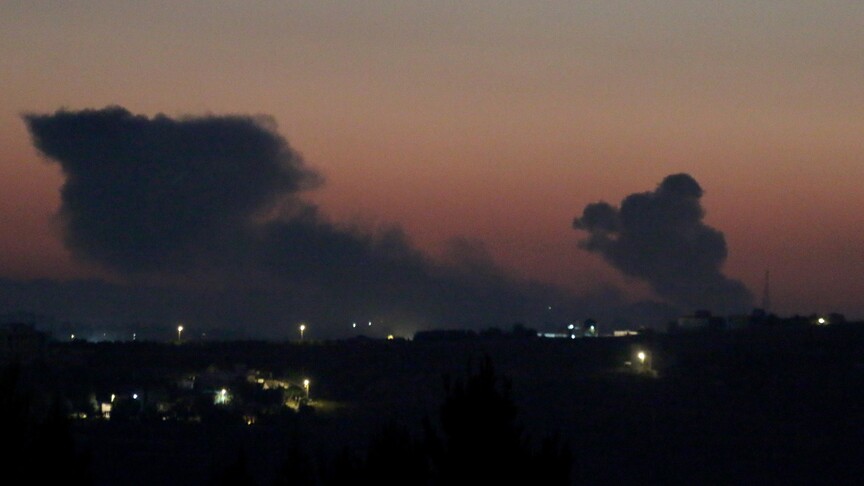
Despite the fragile ceasefire, Israeli Prime Minister Benjamin Netanyahu ordered the army on Monday to conduct airstrikes in the Lebanese capital Beirut. The directive marked a renewed escalation of hostilities, occurring despite the ongoing ceasefire in Lebanon that had taken effect just weeks prior. These Israeli airstrikes in Beirut signify a clear breach of the mediated agreement and represent a significant increase in regional tensions. The decision to launch strikes on a capital city during a ceasefire period is a provocative act, demonstrating the volatile nature of the conflict and the challenges inherent in maintaining peace. The international community watches closely, anticipating the potential for further retaliatory actions and a wider destabilization of the Levant.
Official Statements
Iranian Foreign Minister Hossein Amirabdollahian reportedly reaffirmed Tehran's unwavering support for Lebanon, emphasizing the deep historical and strategic ties between the two nations. Amirabdollahian stressed that Iran would not stand idly by in the face of what he called "Zionist aggression" against the Lebanese people. He reiterated that Iran views Lebanon's security as integral to broader regional stability, suggesting that any threat to Lebanon is perceived as a threat to the wider Iranian-led alliance. The Foreign Minister condemned recent Israeli military actions in the strongest terms, calling for an immediate cessation of hostilities and respect for Lebanese sovereignty. He further noted that Iran's commitment to supporting Lebanon's resistance is a matter of principle and a cornerstone of its foreign policy in the Middle East.