Iran has suspended negotiations with the United States, pending verification that Israeli attacks in Lebanon have ceased and Washington has honored its commitments under the US-Iran memorandum. This significant development comes as diplomatic efforts in the region face renewed challenges. Al-Mayadeen reported this development on Thursday, citing an informed source familiar with the situation. The suspension indicates a direct linkage between the ongoing hostilities in Lebanon and the diplomatic engagement between Tehran and Washington. Iranian officials had been in the process of preparing to travel to Switzerland for the planned talks but subsequently canceled their trip, signaling the seriousness of their decision. The abrupt cancellation shows Iran's position that the continuation of dialogue is directly tied to the cessation of hostilities in Lebanon, as well as the fulfillment of prior understandings.
Conditions for Talks
Tehran had previously communicated to Washington and its mediators that developments concerning Lebanon would directly influence the trajectory of their ongoing negotiations. This firm stance was relayed well before the current suspension of talks, setting clear expectations for any future dialogue. The Iranian side specified that Israeli military operations extending up to 10 kilometers inside Lebanese territory would constitute "a clear violation" of the memorandum between the United States and Iran. According to sources familiar with the discussions, the memorandum includes explicit provisions requiring an end to military activity on all fronts. This encompasses military actions in Lebanon, indicating that a cessation of hostilities in that region is a prerequisite for the dialogue to continue. The memorandum, which forms the basis of the US-Iran understanding, outlines specific commitments from both parties, and Iran's current position notes its insistence on these commitments being met. The verification process Iran is demanding is key to ensuring that the terms of the agreement are being upheld, particularly regarding regional stability and the cessation of military engagements.
Ongoing Conflict in Lebanon
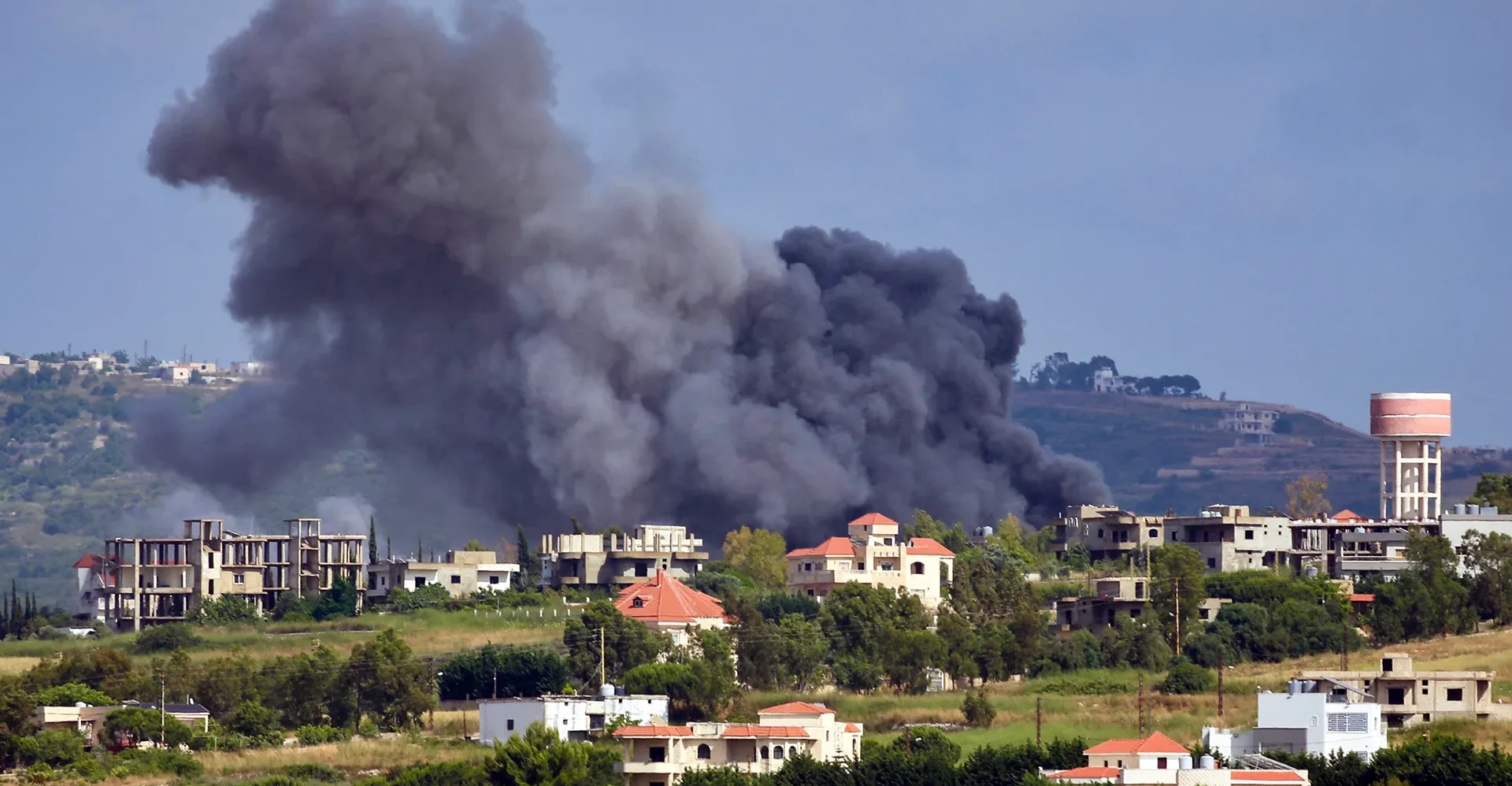
Despite diplomatic pressures and the conditions set for negotiations, Israel continued its operations in southern Lebanon. Strikes on Thursday killed at least three people in Kfar Tebnit and Zebdin, further escalating tensions in the border region. These actions follow ongoing military activity in the region, which has seen persistent exchanges of fire and military operations. The continuous nature of these operations directly contravenes the conditions Iran has stipulated for the resumption of talks.
The Lebanese Health Ministry has reported a cumulative death toll of 3,912 people and 11,873 wounded due to Israeli attacks since March 2. This figure accounts for all casualties recorded over the specified period, painting a grim picture of the humanitarian impact of the conflict. The ongoing violence and the rising casualty count in Lebanon show the urgency of a verifiable ceasefire, which Iran has made central to its diplomatic engagement with the United States.
US Stance and Commitments
In response to the escalating situation and the suspension of talks, US President Donald Trump stated he anticipates a complete ceasefire in the Middle East. President Trump urged all involved parties to honor their commitments regarding the cessation of hostilities. His statement follows Iran's decision to suspend talks with the United States, linking the continuation of dialogue to an end to Israeli military actions in Lebanon. The US position shows the broader international calls for de-escalation in the region, particularly as negotiations between Washington and Tehran remain contingent on verifiable conditions on the ground. The US President's remarks highlight the diplomatic pressure being exerted to resolve the ongoing conflict and facilitate the resumption of discussions, emphasizing the importance of adherence to agreements for regional stability. The US is now faced with the challenge of ensuring its commitments under the memorandum are fulfilled, as verified by Iran, to allow for the resumption of key diplomatic channels.