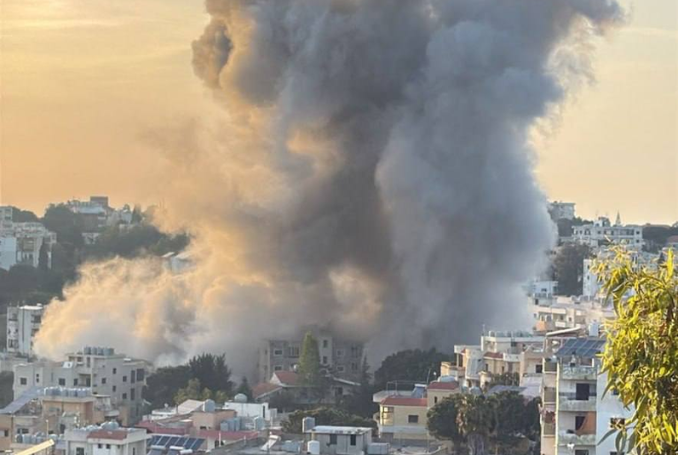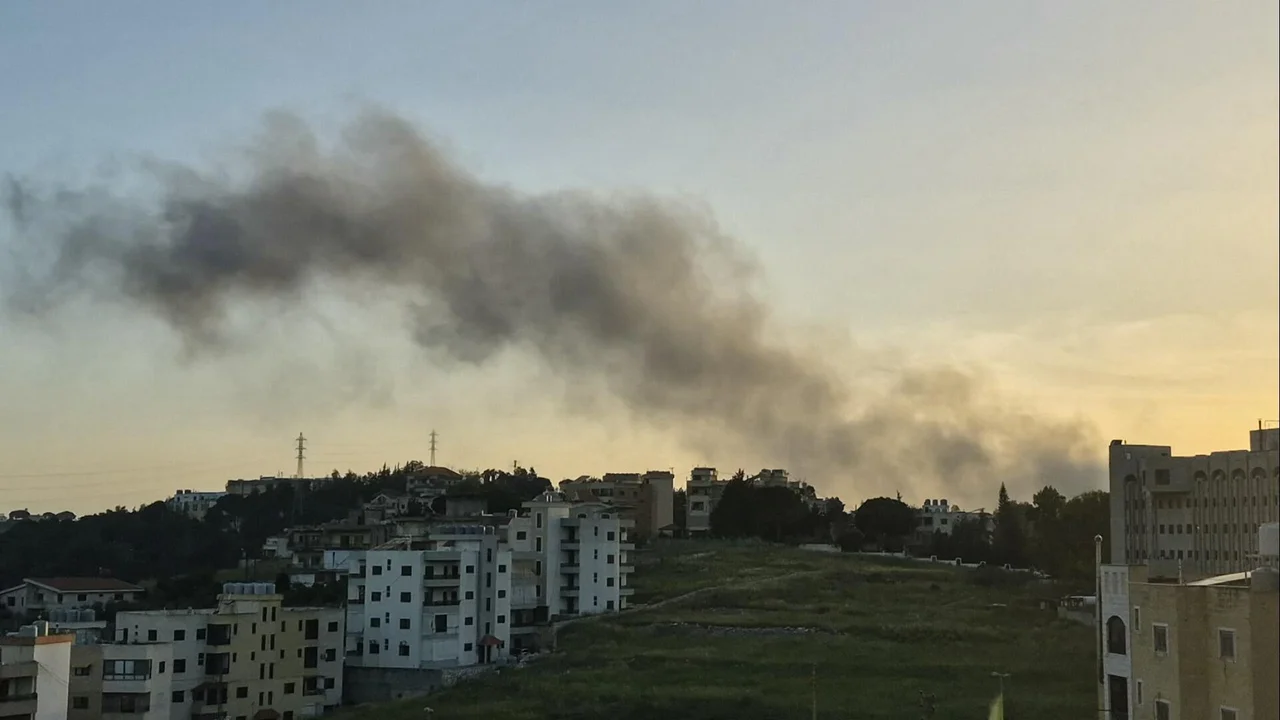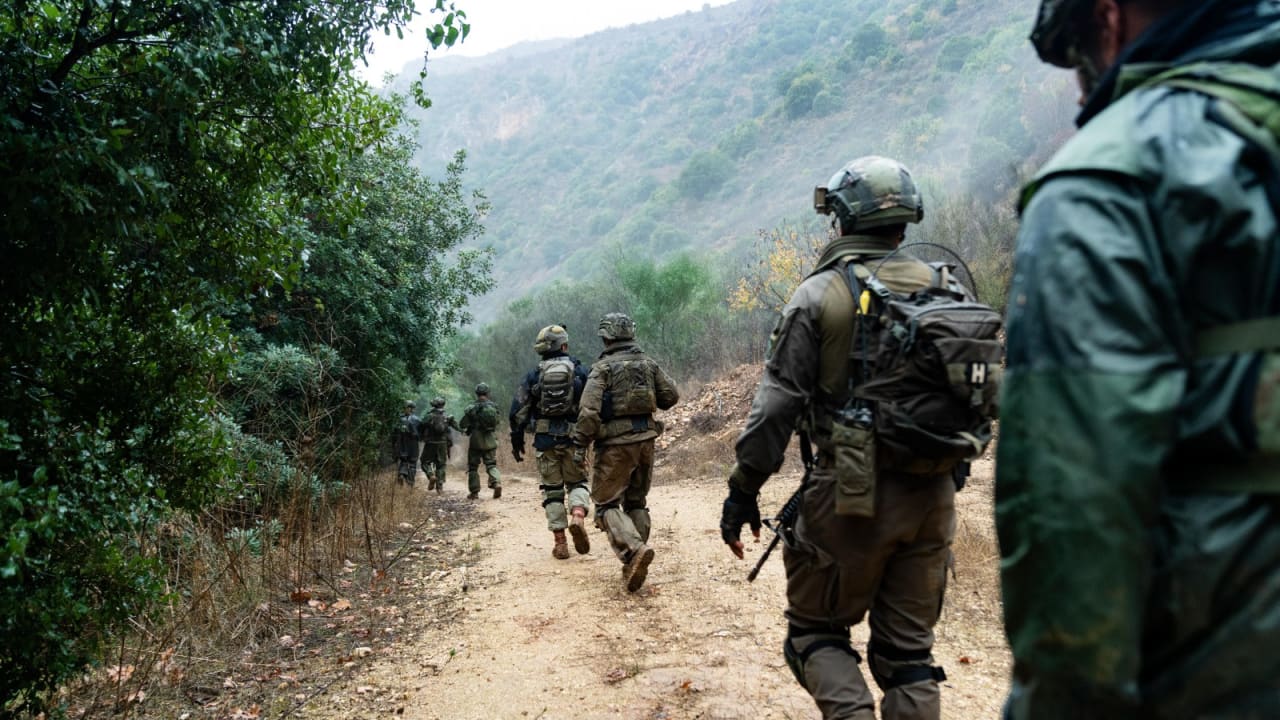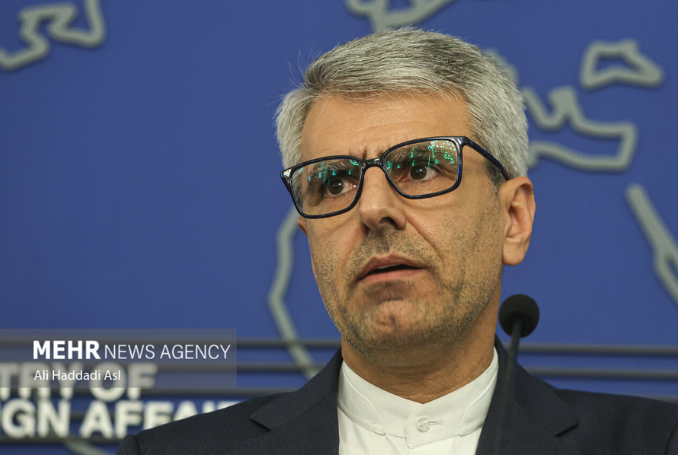
Iran has asserted its focus on ending regional conflicts, particularly in Lebanon, while accusing the United States of jeopardizing stability. On Monday, Iranian Foreign Ministry spokesman Esmail Baghaei stated that Tehran had put forth "reasonable and logical demands" intended to safeguard the interests of the entire region, not solely Iran. Baghaei emphasized, "We are not concerned with pleasing others. We will fight when necessary, and we will use diplomacy when needed." These proposals, according to Tehran, explicitly focus on ending the ongoing war across the region, with a particular emphasis on achieving peace and stability in Lebanon. Tehran further accused the United States of threatening regional and global stability through its actions and policies.
According to Baghaei, Iran is currently prioritizing discussions aimed at ending the war, with matters concerning uranium enrichment and Iran’s nuclear program to be addressed at a later stage. He claimed, "The United States is threatening the world and the region." This accusation shows Iran's view that American foreign policy contributes significantly to the instability plaguing West Asia and beyond.
Diplomatic Overtures and US Criticism
Iran has welcomed Chinese diplomatic efforts aimed at stopping the war, seeing them as a constructive path toward de-escalation and resolution of current conflicts. Esmail Baghaei stated that Pakistan is playing a "professional" mediating role between Tehran and Washington, a role Iran views as key for facilitating dialogue and reducing tensions between the two nations. Baghaei further accused the United States of continuing to pursue what he described as a unilateral and unjust approach in its foreign policy, which he argued undermines international cooperation and regional stability. He claimed the United States had committed crimes in seven countries in recent years, a statement reflecting deep Iranian distrust of American military and political interventions.
Baghaei also welcomed diplomatic initiatives aimed at restoring regional stability. He said Iran had informed China that recent American actions would only increase instability in the region, a point conveyed during high-level diplomatic exchanges. Iranian Foreign Minister Abbas Araghchi’s recent May 6 visit to China was described as "very fruitful." During his visit, Araghchi met with Chinese Foreign Minister Wang Yi for talks that focused extensively on regional developments and diplomacy, showing the importance Iran places on its strategic relationship with China in navigating complex regional issues. These discussions also touched upon the need for collective security mechanisms that do not rely on external interference.
Nuclear Program Remarks and IAEA Head
Tehran recently criticized International Atomic Energy Agency (IAEA) chief Rafael Grossi regarding his remarks on Iran's uranium stockpile. Iranian Foreign Ministry spokesman Esmail Baghaei specifically criticized Rafael Grossi following comments that suggested most of Iran’s highly enriched uranium likely remains stored at the Isfahan nuclear complex. Grossi’s comments were made after recent US-Israeli strikes that targeted Iranian nuclear facilities, adding a layer of geopolitical tension to the technical remarks. Baghaei's criticism noted Iran's sensitivity to statements that could be perceived as aligning with adversaries or prejudging the outcomes of ongoing investigations.
Baghaei accused the head of the International Atomic Energy Agency of making inaccurate statements and exceeding his technical mandate, emphasizing that the IAEA's role is strictly technical verification. He urged Grossi to condemn the attacks against Iran, asserting that the US-Israeli aggression had disrupted the work of international nuclear inspectors and jeopardized the safety of nuclear materials. Baghaei emphasized that such statements by the IAEA chief were unhelpful and did not reflect the agency's technical role, particularly given the sensitive security environment. He stressed that the IAEA's mandate is to monitor and verify, not to engage in speculative comments about the location or status of materials, especially in the context of recent attacks and heightened regional tensions.
According to Baghaei, Grossi should focus on upholding the agency's impartiality and technical integrity, particularly when geopolitical tensions are high. He reiterated Iran's position that any attacks on its nuclear infrastructure are a violation of international law and jeopardize the safety of nuclear materials, making the work of inspectors more challenging and dangerous. Baghaei noted that the IAEA's primary role is to ensure the peaceful nature of nuclear programs through objective verification, and that making political statements or engaging in accusations deviates from this core responsibility. The Iranian official called for a clear condemnation of actions that undermine regional stability and endanger nuclear sites, rather than comments that could be perceived as aligning with those who conduct such attacks. He showed that the credibility of the IAEA hinges on its strict adherence to technical impartiality and its ability to resist external political pressures, especially in a region as volatile as West Asia.
Broader Regional Security Stance
Iranian Foreign Ministry spokesman Esmail Baghaei stressed that achieving peace across the region, including in Lebanon, "is not an exaggerated demand." He stated that Iran views regional stability as a core objective and a practical necessity for all nations in West Asia, advocating for a future where countries can resolve their differences through dialogue rather than conflict. Baghaei emphasized that Iran's proposals for peace are grounded in mutual respect and cooperation among regional states, aiming to de-escalate tensions and foster a secure environment conducive to economic development and social progress. He reiterated that Iran's diplomatic overtures and security initiatives are designed to serve the collective interests of the region, ensuring that all countries can pursue their development goals without external pressures or conflicts. The spokesman noted Lebanon as a key area where Iran seeks to support efforts that contribute to lasting peace and security, aligning with broader regional aspirations for stability and sovereignty.
Baghaei further argued that regional security should be managed without interference from outside powers. He asserted that external involvement often exacerbates existing tensions and introduces new complexities, undermining the ability of regional nations to resolve their own issues and fostering a cycle of dependency. According to Baghaei, Iran advocates for a security framework designed and implemented by the countries of West Asia themselves, believing this approach would be more sustainable and effective in addressing the unique challenges and dynamics of the region. He contended that such a framework would empower regional actors to take ownership of their security challenges and work collaboratively towards solutions that reflect their unique interests and circumstances, rather than those imposed from afar. Baghaei added that the presence and actions of extra-regional forces frequently contribute to instability rather than promoting peace, often pursuing agendas that do not align with the long-term interests of the regional states themselves. He reiterated Iran's commitment to fostering a regional environment where dialogue, cooperation, and mutual respect form the bedrock of collective security.