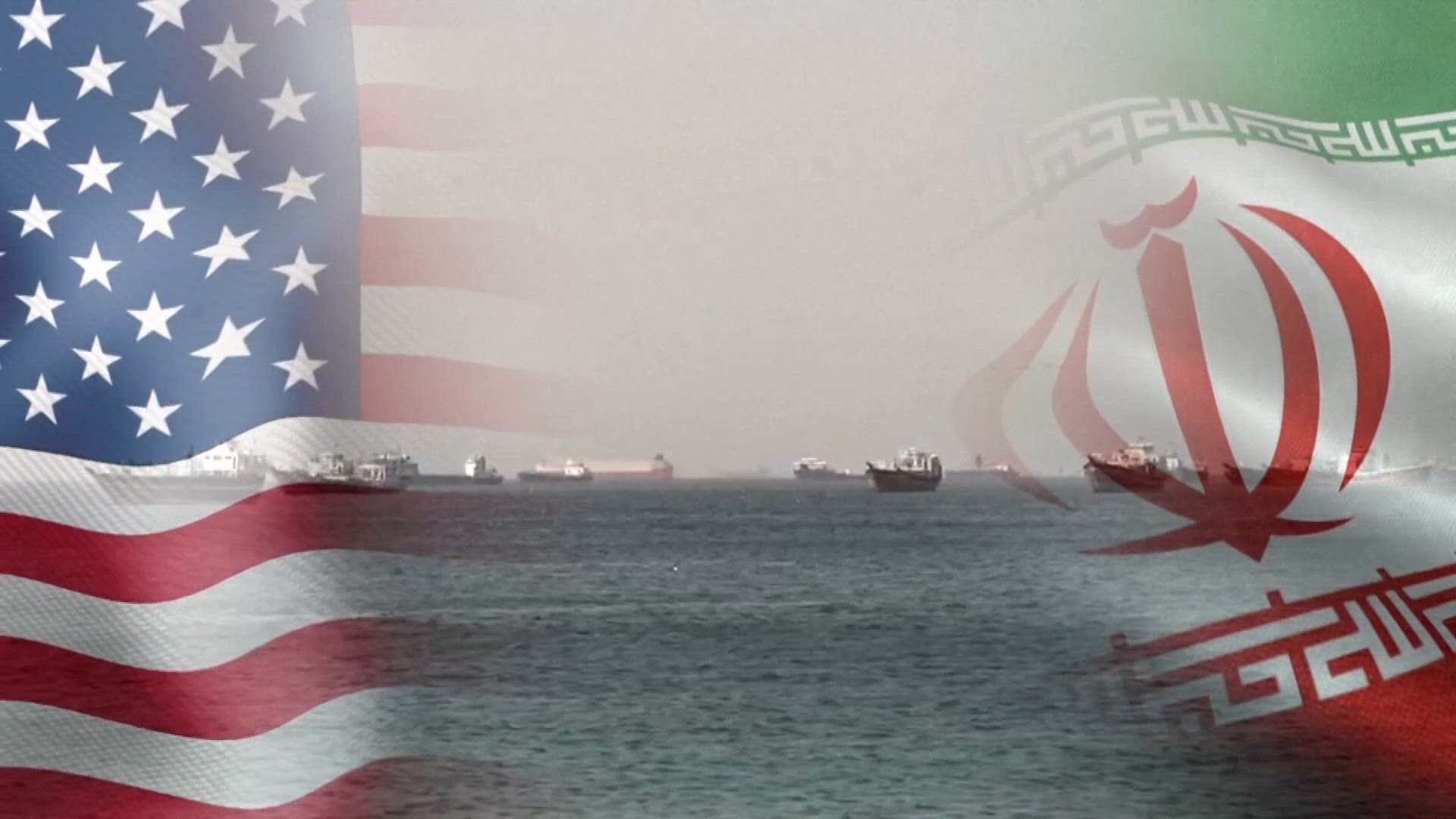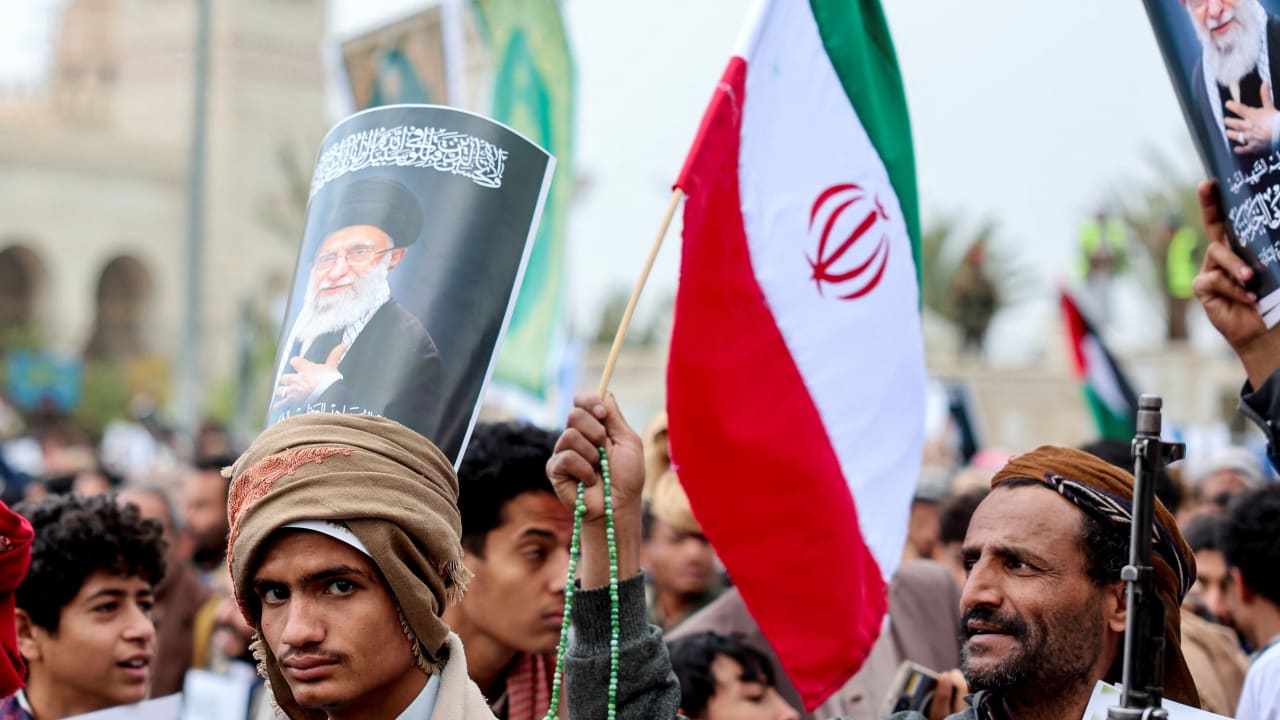
Iran has called an immediate halt to its talks with the United States following Israel's military activities in Lebanon, according to Iranian Foreign Minister Abbas Araghchi. The decision signifies a significant pause in diplomatic engagements between the two nations, directly linking the continuation of dialogue to regional military actions. Mr. Araghchi announced on X/Twitter that "The ceasefire between Iran and the US is unequivocally a ceasefire on all fronts, including in Lebanon." This statement from the Iranian Foreign Minister shows Tehran's position that any military action by Israel in Lebanon is seen as a direct breach of prior understandings. He further elaborated on this stance, stating that "Its violation on one front is a violation of the ceasefire on all fronts," thereby emphasizing the interconnectedness of various regional fronts in Iran's view. Mr. Araghchi added, "The US and Israel are responsible for the consequences of any violation." This assertion places direct accountability on both the United States and Israel for any repercussions stemming from military operations in the region.
Demands for Ceasefire
Talks between Iran and the United States will not resume until Tehran's demands for a cessation of Israel's military operations in both Lebanon and Gaza are met. This condition was outlined by Iranian officials as a prerequisite for any further engagement. Iranian officials have made it clear that there will be no talks until Iran's demands on the cessation of Israel's operations in both Lebanon and Gaza are fully addressed. This firm position indicates a lack of flexibility in Tehran's diplomatic approach, insisting on specific outcomes before re-engaging in discussions. The immediate halt to discussions with the United States shows the gravity with which Iran views the ongoing military activities in these areas.
Last week, KAN News reported that Hezbollah is advocating for a full ceasefire. The group has reportedly requested that Iranian negotiators ensure its inclusion in any agreement reached with the United States. According to reports, Hezbollah seeks guarantees within a broader diplomatic resolution, aiming to secure its interests within any potential ceasefire framework. The publication date of the report covering these developments is June 1, 2026. This report notes the intricate web of regional actors and their respective demands influencing the broader diplomatic landscape. Hezbollah's reported push for inclusion in any US-Iran agreement indicates a desire to solidify its position and ensure its security concerns are addressed in any lasting peace arrangement.
Strategic Waterway Threats
Iran has issued a threat to block both the Strait of Hormuz and the Bab el-Mandeb Strait, according to reports. This warning follows a declaration by Iranian Foreign Minister Abbas Araghchi regarding the status of diplomatic engagements. The threat to these two critical maritime chokepoints signals a potential escalation of tensions beyond the immediate conflict zones. Mr. Araghchi stated that any breach of understandings in one area would be considered a breach across all fronts, a principle he reiterated emphatically.
On X/Twitter, Iranian Foreign Minister Abbas Araghchi amplified this position, writing, "Its violation on one front is a violation of the ceasefire on all fronts." This statement shows Iran's stance that military actions by Israel in Lebanon and Gaza are directly linked to the broader regional stability and the framework of any ceasefire discussions. The threat concerning the strategic waterways suggests a potential escalation if current conditions persist, impacting global oil supplies and international shipping. The Strait of Hormuz, a narrow passage between the Persian Gulf and the Gulf of Oman, is particularly vital for global energy markets, as a significant portion of the world's oil supply passes through it. Similarly, the Bab el-Mandeb Strait, located between Yemen on the Arabian Peninsula and Djibouti and Eritrea in the Horn of Africa, is a key maritime route connecting the Red Sea to the Gulf of Aden and the Indian Ocean. Any disruption to these waterways would have broad economic and geopolitical consequences.
Source and Responsibility
The Islamic Revolutionary Guard Corps-affiliated Tasnim News Agency reported on Monday that Iranian officials have emphasized specific conditions for the resumption of talks. According to Tasnim News Agency, "The immediate cessation of the Zionist regime's aggressive and brutal army operations in Gaza and Lebanon and the necessity of the regime’s complete withdrawal from the occupied areas in Lebanon have been emphasized by Iranian officials and negotiators, and there will be no talks until Iran and the resistance's views on this matter are met." This unequivocal statement from the Tasnim News Agency leaves no room for ambiguity regarding Iran's preconditions for resuming diplomatic discussions. The report from the Tasnim News Agency shows Iran's firm stance, linking any diplomatic engagement with the United States to an end to Israeli military actions in both territories. This position reflects Iran's broader strategy of connecting regional conflicts to its willingness to participate in international discussions, asserting that the actions of its allies, referred to as the "resistance," are integral to its own foreign policy considerations. The emphasis on the "complete withdrawal from the occupied areas in Lebanon" further clarifies the specific demands Iran and its allies are making.