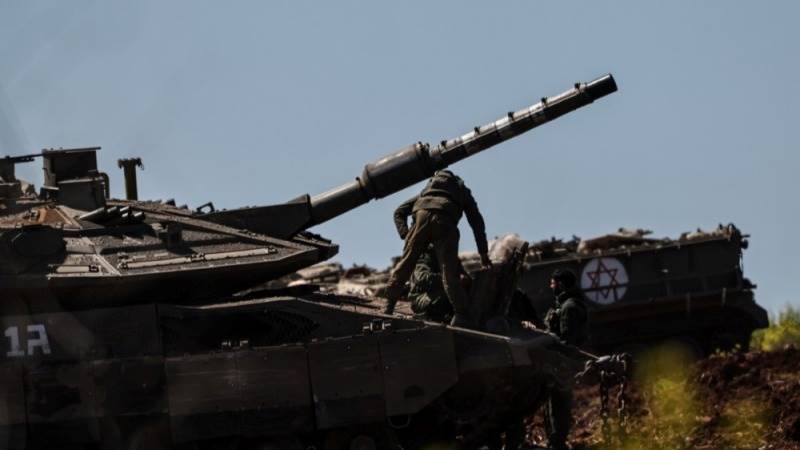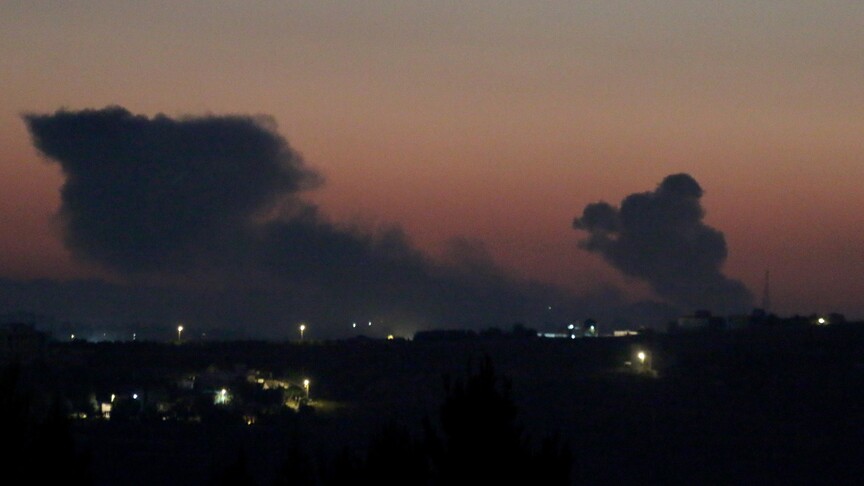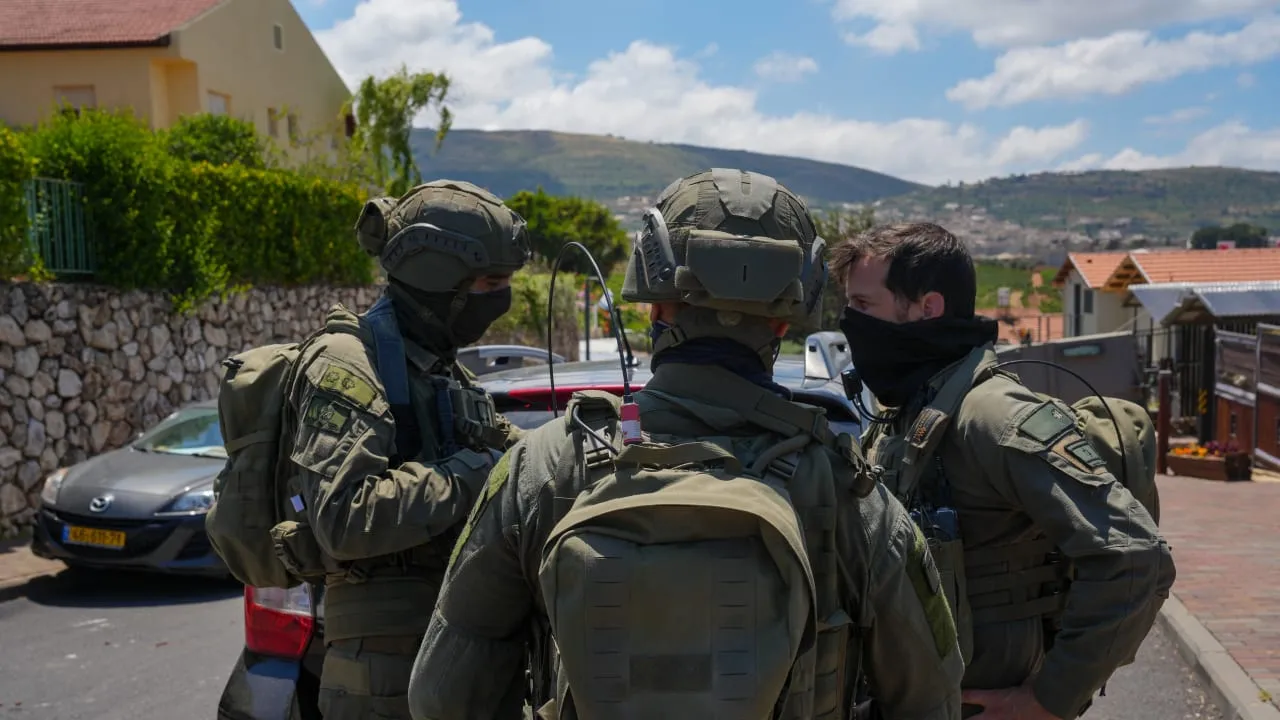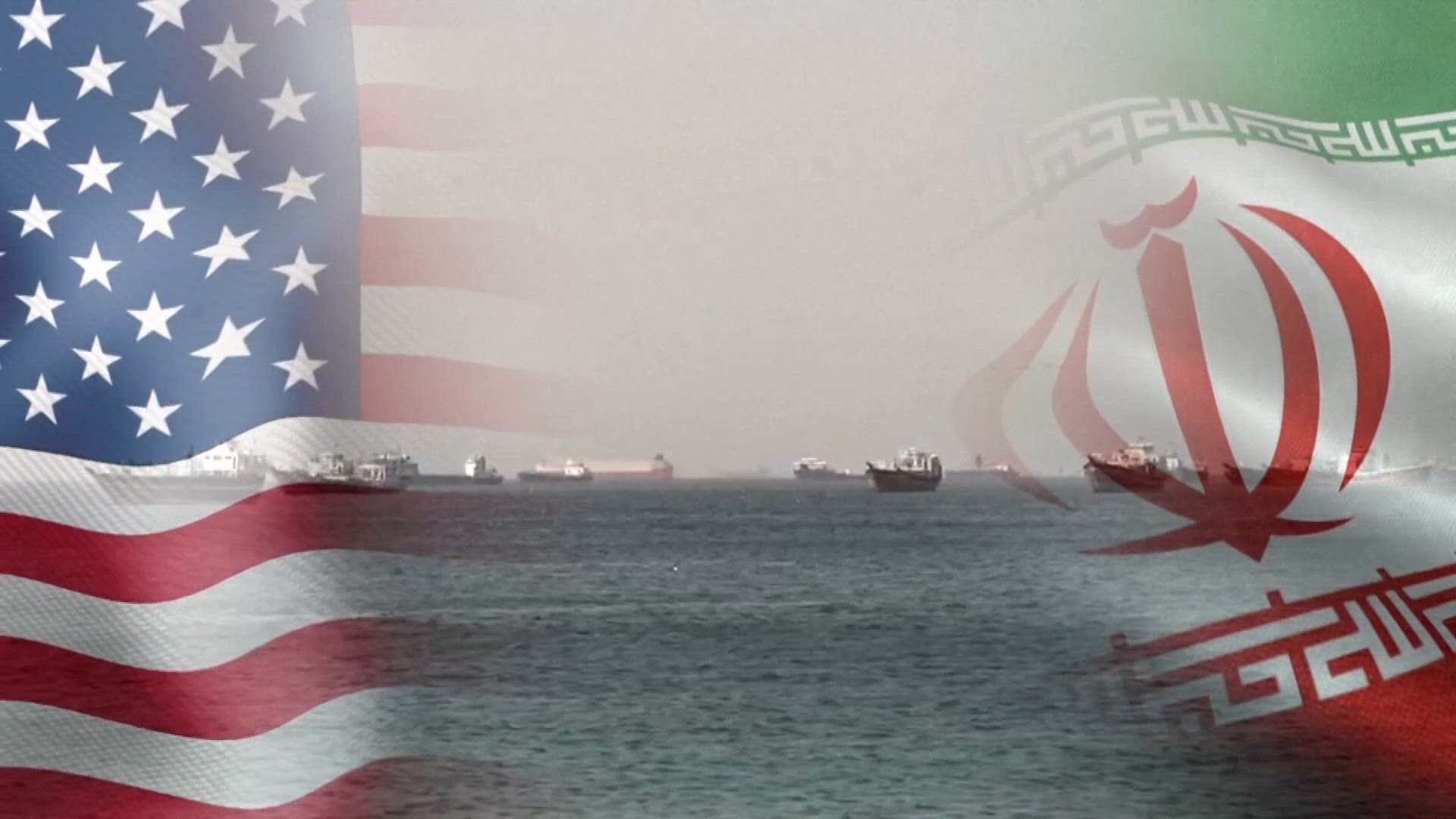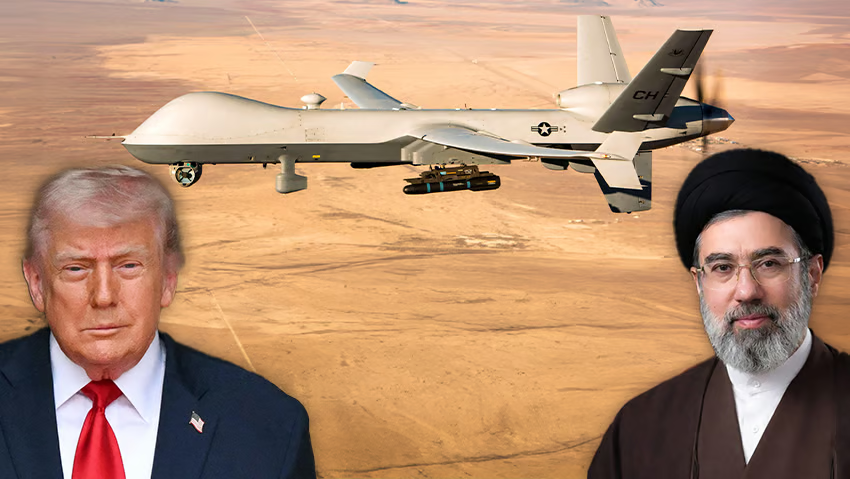
Iran has halted indirect message exchanges with the United States, according to a report by Iran's Tasnim News Agency on Monday afternoon. Tehran's decision to pause these communications comes amid Israeli strikes against Hezbollah and Hamas, particularly those occurring in Lebanon, including an Israel Defense Forces (IDF) strike in South Lebanon. The halt in message exchange is specifically attributed to these Israeli military actions in the region, with Iran asserting that the ongoing military operations directly impede the environment necessary for diplomatic engagement.
Tasnim News Agency stated that Iran is demanding a halt to Israeli operations in both Lebanon and Gaza, asserting that "there will be no talks until Iran’s demands for a halt to Israeli operations in Lebanon and Gaza are met." Reports also indicated that Iran is demanding a complete Israeli withdrawal from territory captured in Lebanon, a significant condition that shows Tehran's firm stance on regional sovereignty. This move appears to reflect an effort by Tehran to show its intention to link any future agreement ending its conflict with the United States to a ceasefire between Israel and Hezbollah, thereby broadening the scope of the current diplomatic efforts. The Iranian report suggests a clear conditionality for the resumption of diplomatic engagement, making it clear that the regional security situation, particularly concerning Israel's actions, is critical to Tehran's willingness to continue discussions with Washington.
Escalation and Demands
The diplomatic pause follows a period of intense negotiations and developments. President Donald Trump, on Friday, announced he would convene his senior advisers in the White House Situation Room to make a "final decision" regarding negotiations. This high-level meeting showed the criticality of the ongoing discussions, noting the significant attention the potential agreement was receiving at the highest levels of the U.S. Government. Reports on Saturday indicated Mr. Trump was angered that final approval for the agreement had not been obtained from Supreme Leader Mojtaba Khamenei. This reported frustration from the U.S. Side noted internal challenges in securing a definitive consensus within the Iranian leadership, a factor that often complicates international negotiations with Tehran. Subsequently, Mr. Trump instructed officials to inform the Iranians that he was introducing several amendments to the draft agreement. This move by Mr. Trump reportedly prompted Iran to halt indirect message exchanges with the United States, indicating a direct correlation between the proposed changes and Tehran's decision to suspend communications.
Iran's Tasnim News Agency reported on Monday that the decision to pause communications came after a Sunday report from the agency, which cited "a source familiar with the matter" stating Tehran would seek to introduce its own amendments to the draft agreement. The agency's Sunday report had indicated that the exchange of texts was continuing, with Iran also making revisions, suggesting a dynamic and evolving negotiation process where both sides were actively attempting to shape the final document. The source emphasized at the time that "The exchange of texts is continuing, and Iran will also make its own revisions. Nothing is final yet." This prior statement from the Iranian source suggested an ongoing, fluid negotiation process where both sides were still shaping the final document, indicating that the agreement was far from settled even before Mr. Trump's proposed amendments. The Iranian source further stressed that Mr. Trump's decision to amend the text does not mean Iran will accept those changes, adding, "The criterion for Iran is a text that we ourselves accept." This assertion underlines Iran's firm stance on the terms of any potential agreement and its unwillingness to simply accede to U.S. Demands, emphasizing its sovereign right to define acceptable conditions. The source also reiterated Iran's repeated warnings, stating that "Iran is fully prepared for a situation in which no understandings are reached." This warning signals Tehran's readiness for a renewal of hostilities if diplomatic efforts ultimately fail to yield an acceptable outcome, demonstrating a preparedness for various scenarios. Mr. Trump previously stated, "We’re close to a very good deal," but also warned that if Iran "doesn’t get what it wants," it will "end it in a different way," foreshadowing potential escalation.
Proposed Deal Details
Last week, reports indicated that representatives for both sides had reached an agreement on a draft memorandum of understanding designed to end the conflict, including in Lebanon. This draft represented a significant step forward in the protracted negotiations, outlining a framework for de-escalation and resolution that aimed to address immediate regional tensions. The draft proposal, as reported, may involve only a 60-day extension of the ceasefire with Tehran, suggesting a short-term measure to build confidence and allow for further talks before committing to a more permanent arrangement. A key component of the memorandum would be the lifting of Iran’s blockade of the Strait of Hormuz. This critical waterway, vital for global oil shipments, has been a point of contention and a strategic pressure point for Iran, and its unblocking would represent a major concession from Iran with significant international economic implications.
The proposed memorandum also includes the gradual removal of the U.S. Blockade on Iranian ports, reports indicated. This measure would provide significant economic relief to Iran, allowing for increased international trade and access to markets, which has been severely restricted by sanctions. Additionally, it would offer relief from some sanctions previously imposed on Iran, further easing economic pressure on the Islamic Republic and potentially paving the way for broader economic recovery. However, the memorandum would not resolve the existing dispute concerning Iran’s nuclear program. This specific and complex issue, which has been at the heart of international tensions for years due to proliferation concerns, was intentionally left for subsequent negotiations, indicating its sensitive nature and the difficulty in reaching an immediate consensus within the broader peace framework.
Instead, the agreement would open a 60-day period during which the involved parties would negotiate a final full agreement. This subsequent agreement would address specific issues such as Iran’s stockpile of enriched uranium and future restrictions on its enrichment activities, which are central to international non-proliferation efforts. The two-stage approach aimed to first de-escalate the immediate conflict and then tackle the more intricate, long-term challenges related to Iran's nuclear ambitions, recognizing the complexity of resolving all issues simultaneously.
Despite progress on the draft, several disagreements persist, noting the remaining hurdles to a full resolution. These include commitments related to limits on Iran’s nuclear program, a core demand of the international community to prevent proliferation risks and ensure regional stability. Tehran’s demand for the immediate release of at least $12 billion of its frozen assets remains a significant point of contention. This financial demand shows Iran's desire for tangible economic benefits from any agreement, viewing it as compensation for past sanctions and a necessary component for its economic recovery.
Source and Context
Tasnim News Agency, which reported Iran's decision to halt indirect talks, is considered by some to be close to the Islamic Revolutionary Guard Corps and more hardline elements within Iran’s ruling establishment. This affiliation suggests that the agency's reports often reflect the views and intentions of influential, conservative factions within Iran, providing insight into Tehran's strategic thinking and internal political dynamics. Meanwhile, President Donald Trump has indicated a willingness to use military force if negotiations fail. Mr. Trump previously stated, "We’re close to a very good deal," regarding the ongoing discussions, conveying an optimistic outlook at one point, suggesting that a diplomatic breakthrough was within reach. However, he also issued a warning in an interview with Fox News, saying that if Iran "doesn’t get what it wants,” it will “end it in a different way," a veiled threat of military action. He further warned that he is prepared to resume military action should the talks ultimately collapse, explicitly outlining the potential consequences of a failure in diplomacy. This explicit threat of military action from President Trump shows the high stakes involved in these negotiations and the potential for a return to conflict if a diplomatic resolution is not achieved, placing immense pressure on both sides. The Iranian source, in turn, reiterated Iran’s repeated warnings that it is prepared for a renewal of hostilities, indicating that both sides are signaling their readiness for escalation if diplomacy falters, creating a tense backdrop for any future discussions.