Iran announced the suspension of its indirect peace talks with the United States. This decision means Iran's negotiating team will cease exchanging messages with Washington through intermediaries. The halt abruptly stops a 14-point memorandum of understanding that had been under discussion, which represented a significant setback for diplomatic efforts. The suspension of these talks puts an abrupt halt to a 14-point memorandum of understanding that had been under discussion between the two nations.
Escalating Regional Conflict
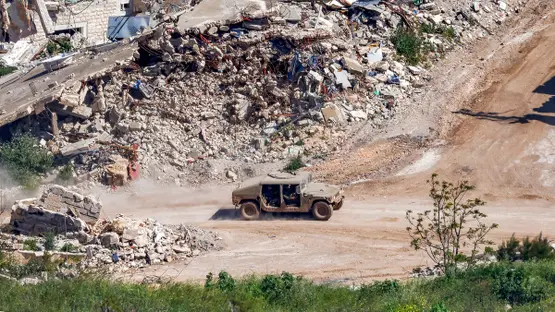
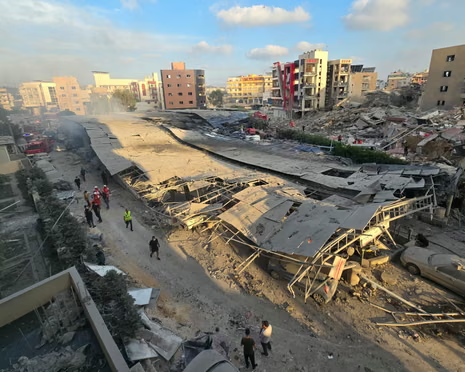
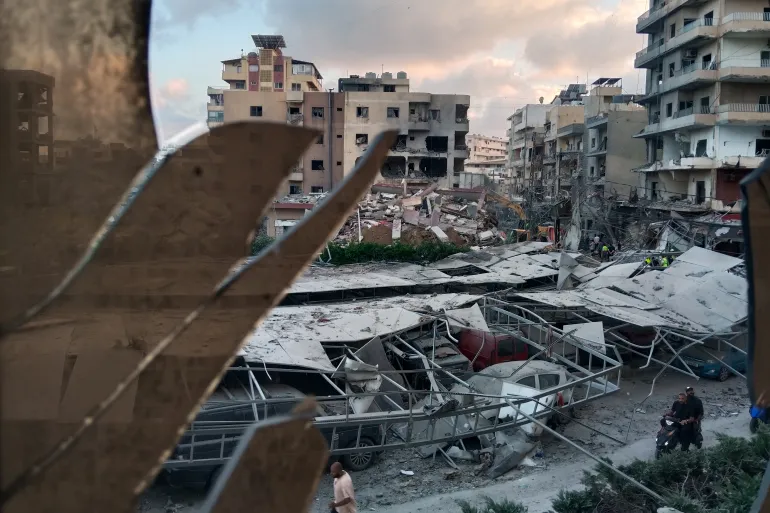
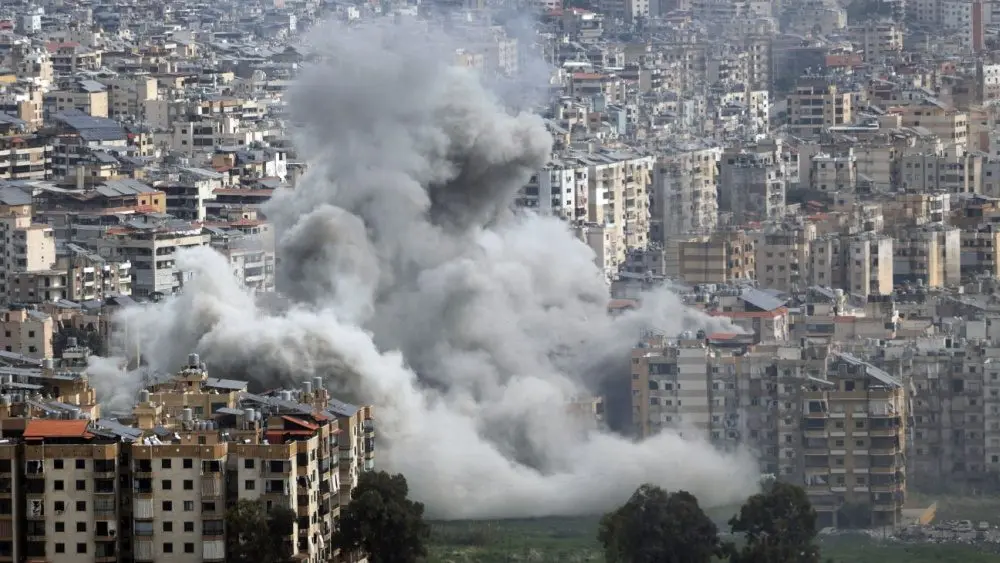
Israel ordered troops deeper into Lebanon as part of its campaign against the Iran-backed Hezbollah movement. As part of these intensified operations, the Israeli military warned residents of Beirut's southern suburb of Dahiyeh to evacuate ahead of anticipated air strikes. Israeli Prime Minister Benjamin Netanyahu affirmed the military's intent, stating, "Our position remains unchanged." Netanyahu also told President Trump that the Israeli military would "continue operating in southern Lebanon as planned." The Prime Minister also conveyed to President Trump that "if Hezbollah does not stop attacking our cities and civilians, Israel will strike terrorist targets in Beirut." This stern warning shows the escalating tensions in the region.
President Trump confirmed he had spoken to Israeli Prime Minister Benjamin Netanyahu and, through intermediaries, to Hezbollah leaders. Concurrently, Israel has intensified air strikes in Gaza, where a ceasefire was declared seven months ago. Israel states its actions target Hamas militants responsible for attacks in October 2023. Israeli forces currently occupy 60% of Gaza's territory, a substantial increase from the approximately half of Gaza's territory they occupied when the ceasefire was declared last October. In southern Lebanon, Israel has occupied large areas, leading to the displacement of over one million people. This widespread displacement notes the severe humanitarian impact of the ongoing military operations.
Diplomatic Stalemate and Demands
Iran attributes the derailment of diplomatic efforts to Israel's expanding military operations in Lebanon, with Iranian officials maintaining that any truce must apply across all regional fronts, including Lebanon and Gaza. Reports from Iran indicated demands for an end to the "aggressive and brutal army operations in Gaza and Lebanon," alongside calls for Israel's "complete withdrawal from the occupied areas in Lebanon." Iranian officials have consistently pressed for a full cessation of hostilities, arguing that a piecemeal approach would not lead to lasting peace. Last week, the United States and Iran had stated they were close to a tentative 60-day ceasefire extension and a framework to initiate talks aimed at ending the war, a development that now appears jeopardized by the suspension of talks.
President Trump stated he had secured pledges to end the fighting that had left the ceasefire in tatters. Despite the reported suspension, Trump affirmed on Truth Social that "Talks are continuing, at a rapid pace, with the Islamic Republic of Iran." He also wrote on Truth Social that "there will be no Troops going to Beirut, and any Troops that are on their way, have already been turned back." This statement came as Netanyahu said last week that the Israeli military would soon be claiming 70% of Gaza, further complicating the diplomatic landscape and raising questions about the feasibility of a full ceasefire. The conflicting statements from key leaders show the volatile and unpredictable nature of the current situation.
Broader Geopolitical Tensions
U.S. Central Command confirmed that American fighter aircraft executed targeted strikes on Sunday near Geruk and on Qeshm Island in southern Iran. These actions followed Iranian forces shooting down an American MQ-1 drone over international waters, an incident that significantly heightened tensions between the two nations. Separately, the Islamic Revolutionary Guard Corps fired ballistic missiles targeting a military installation in Kuwait. Kuwaiti air defenses intercepted the incoming fire, and the Kuwaiti government formally condemned the actions, calling them a serious breach of sovereignty and regional stability.
The wider regional impact of the conflict is also evident in maritime trade. A fifth of the world’s oil and natural gas transit has been strangled by a maritime blockade. The Strait of Hormuz has been closed for months, severely impacting global energy markets. Before the U.S. And Israel launched their war on Iran three months ago, a fifth of the world's oil supply passed through the Strait of Hormuz, noting the critical importance of this waterway and the broad economic consequences of its closure. The ongoing blockade poses a significant threat to global energy security and adds another layer of complexity to the already fraught geopolitical situation.