Iran halted all communications with mediators and the United States on Tuesday, with a regional official stating that Iran had not communicated at all on Tuesday, unless Israel stops its expanding military offensive in southern Lebanon. This diplomatic pause comes as Israeli forces now occupy 60% of Gaza's territory, an increase from approximately half following the ceasefire declared last October. Prime Minister Benjamin Netanyahu indicated last week that the Israeli military plans to claim 70% of Gaza.
Meanwhile, Iran is grappling with its own domestic economic challenges. The nation experienced a year-on-year inflation rate in May that reached a level unseen since World War II, according to reports. This significant economic pressure adds another layer of complexity to Iran's current geopolitical stance.
Escalating Regional Conflict
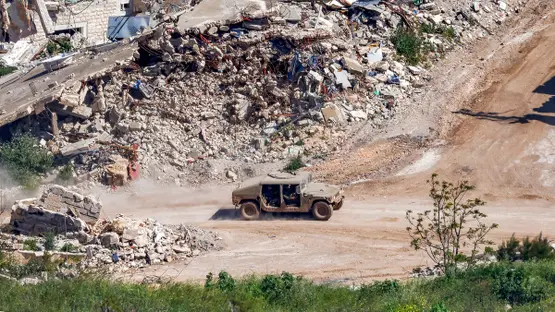
Israel is engaged in conflict with the Iranian-backed Lebanese militia Hezbollah, a situation that has seen increased military activity in southern Lebanon. This ongoing confrontation has led to significant displacement and heightened tensions across the region. Israeli Prime Minister Benjamin Netanyahu stated that the Israeli military would "continue operating in southern Lebanon as planned." Netanyahu also affirmed, "Our position remains unchanged," regarding military operations, showing Israel's commitment to its military objectives in the area. The Prime Minister previously indicated he had warned President Trump, stating, "I spoke this evening with President Trump and told him that if Hezbollah does not stop attacking our cities and civilians, Israel will strike terrorist targets in Beirut." This statement notes the severe consequences Israel has outlined should Hezbollah's actions persist.
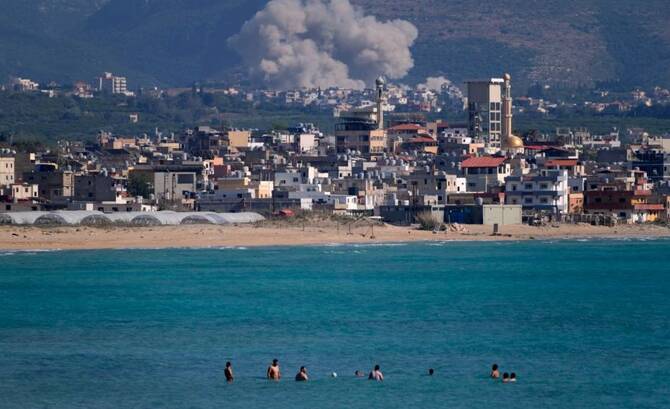
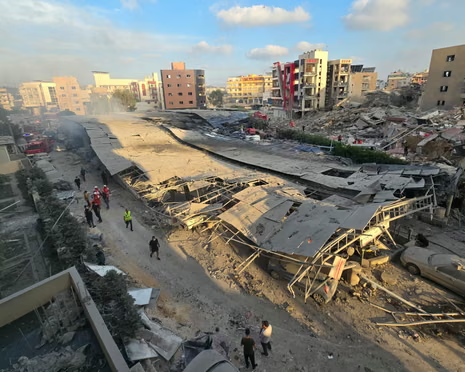
An Israeli airstrike hit a building in the southern port city of Tyre, Lebanon, on June 1, 2026. This incident occurred as Israel has occupied significant areas of southern Lebanon, leading to the displacement of more than a million people from their homes. Concurrently, Israel has intensified air strikes in Gaza, despite a ceasefire having been declared seven months prior. Israel maintains that its operations in Gaza target Hamas militants, who attacked Israel in October 2023. These intensified military actions in both Lebanon and Gaza demonstrate a broad and active engagement by Israeli forces in the region.
In response to the escalating hostilities, Iran demanded an end to what it described as "aggressive and brutal army operations in Gaza and Lebanon." Iran also called for Israel’s "complete withdrawal from the occupied areas in Lebanon," signaling its firm stance on the territorial and military aspects of the conflict. President Trump commented on the situation, stating that Hezbollah had agreed that all shooting would cease, and that Israel would not attack them, nor would they attack Israel. President Trump further claimed there would be no troops deploying to Beirut, and any troops already en route had been turned back, suggesting a de-escalation path had been negotiated through his efforts.
Economic Crisis Deepens
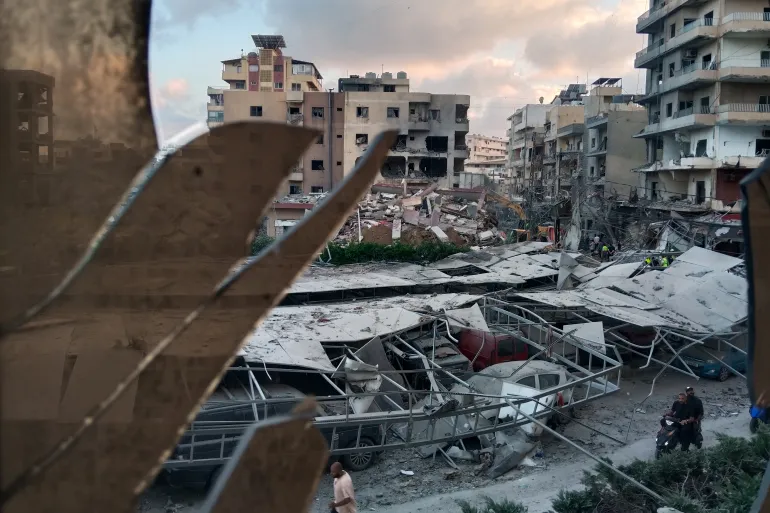
Israel has issued warnings to residents of Beirut's southern suburb of Dahiyeh to evacuate ahead of anticipated air strikes. Prime Minister Benjamin Netanyahu has stated that if Hezbollah continues its attacks on Israeli cities and civilians, Israel will target terrorist sites within Beirut. These warnings show the potential for a significant escalation in the conflict, with civilian areas in Lebanon facing direct threats.
Iran's Central Bank reported a consumer price index of 77.2% in May compared to the previous year, an increase of 8.5% from April. The bank's data also indicated that inflation for daily and general needs surged by 113.8% year-on-year. Economist Saeed Leilaz warned that annual inflation could climb to 80%, painting a grim picture for the Iranian economy. Despite these significant figures, Iran's Central Bank did not acknowledge their gravity, according to reports, which could further erode public trust and exacerbate economic uncertainties.
The Iranian rial has experienced a dramatic devaluation. In 2015, the currency traded at 32,000 to the U.S. Dollar. It now trades at over 1.7 million to the dollar, representing a catastrophic loss of value over a relatively short period. This severe economic strain has previously led to civil unrest across the country. In 2017-2018, rising food prices triggered demonstrations across the country, resulting in over 20 fatalities as authorities moved to suppress the protests. More recently, an increase in government-subsidized gasoline prices sparked widespread protests during which more than 300 people were reportedly killed, noting the volatile link between economic hardship and social instability in Iran. The ongoing devaluation of the rial and the persistent high inflation rates suggest that the potential for further unrest remains a significant concern for the Iranian government.
The economic challenges faced by Iran are multifaceted, impacting the daily lives of its citizens. The 113.8% rise in inflation for daily and general needs specifically targets essential goods and services, making basic necessities increasingly unaffordable for many households. This level of inflation, particularly in staple items, often fuels public discontent and can quickly escalate into widespread protests, as seen in previous years. The warning from economist Saeed Leilaz that annual inflation could reach 80% indicates a sustained period of economic difficulty, suggesting that the current inflationary trend is not a temporary blip but a deeper structural issue within the Iranian economy. The combination of currency depreciation and soaring inflation creates a challenging environment for both consumers and businesses, further complicating Iran's ability to navigate its domestic and international challenges.
Diplomatic Stalemate and Claims
Iran insists the fighting in Lebanon is part of wider ceasefire talks with the United States, a claim disputed by Israel and the U.S. Which maintain the conflict in Lebanon is separate from Iran war negotiations. This fundamental disagreement over the scope of diplomatic discussions presents a significant hurdle to any full resolution. Last week, the U.S. And Iran indicated they were near an agreement for a tentative 60-day ceasefire extension and a framework to initiate discussions aimed at ending the war, suggesting that despite the current halt in communications, channels for dialogue have been active. President Trump stated on Truth Social that "Talks are continuing, at a rapid pace, with the Islamic Republic of Iran," implying ongoing efforts to engage with Tehran despite the public announcement of a communication halt.
President Trump also confirmed he had spoken with Israeli Prime Minister Benjamin Netanyahu and, through intermediaries, with Hezbollah leaders. Trump said he had secured pledges to end the fighting, offering a potential pathway to de-escalation. President Trump further claimed that Hezbollah agreed that all shooting would stop, that Israel would not attack them, and that they would not attack Israel. These assurances, if confirmed and adhered to by all parties, could significantly reduce tensions in southern Lebanon. Prime Minister Netanyahu, however, previously stated, "I spoke this evening with President Trump and told him that if Hezbollah does not stop attacking our cities and civilians, Israel will strike terrorist targets in Beirut." Netanyahu has also maintained, "Our position remains unchanged," regarding military operations, indicating a firm stance that contrasts with the reported pledges of de-escalation. The discrepancy between these statements notes the complexities and potential misinterpretations in the ongoing diplomatic efforts.
The diplomatic efforts unfold amidst ongoing regional tensions, which are exacerbated by significant economic ramifications. The Strait of Hormuz has been closed for months, a significant development given that a fifth of the world's oil supply passed through the strait before the U.S. And Iran launched their war three months ago. The closure of such a critical global shipping lane shows the profound impact of the conflict on international commerce and energy markets. This situation adds another layer of pressure to the already strained relations between the United States and Iran, as well as their respective allies and adversaries in the Middle East. The economic consequences of the strait's closure are broad, affecting global oil prices and supply chains, and further complicating any efforts towards a lasting peace or even a temporary ceasefire. The interconnectedness of military actions, diplomatic negotiations, and economic pressures creates a volatile and unpredictable environment in the region, with each development having potential ripple effects across the globe.