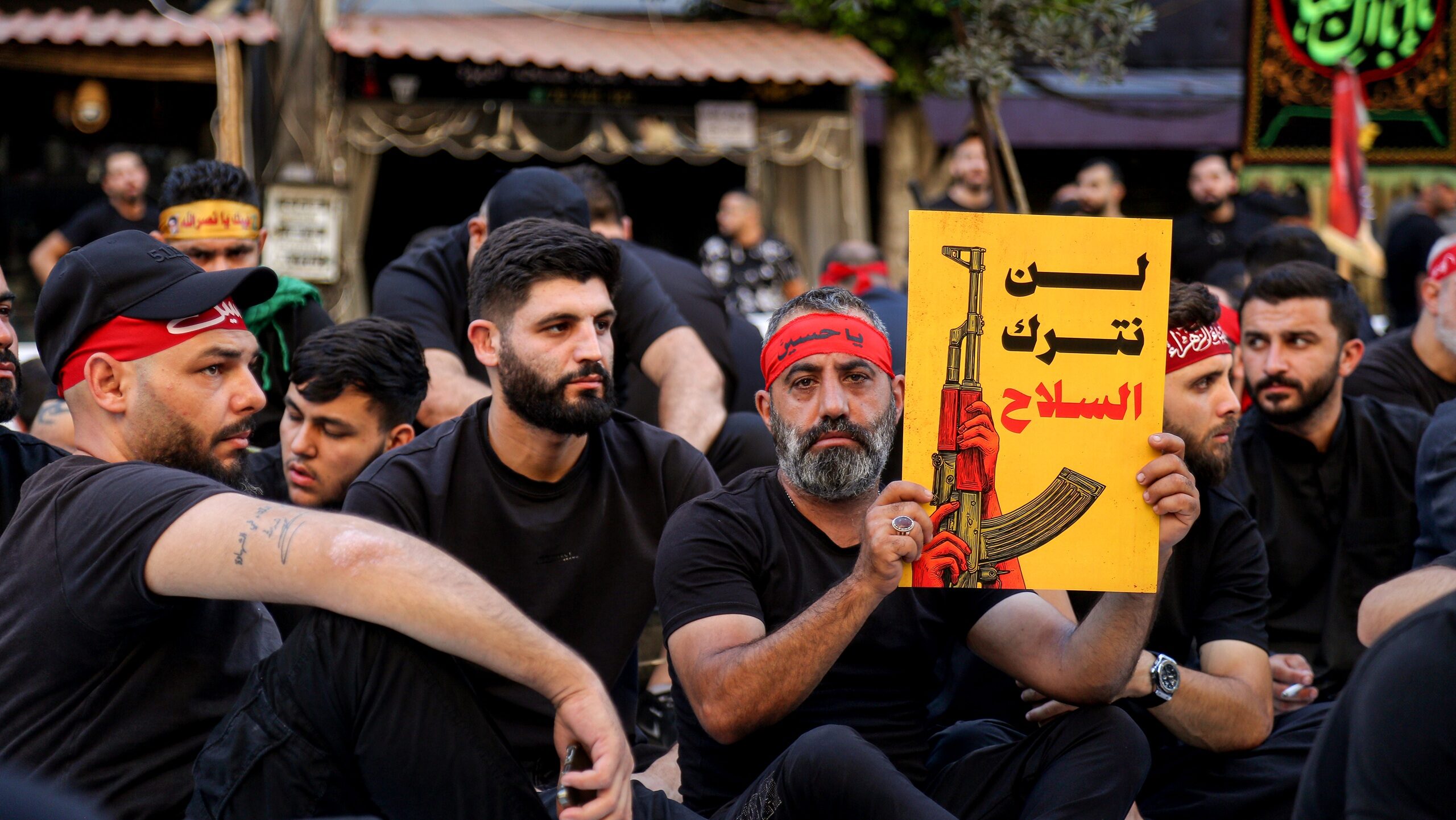
Iran has directed Hezbollah and other regional proxies to prepare for a broader and more severe conflict, according to recent developments. This instruction comes as fighting between the United States and Iran escalates, and as conflict continues in Lebanon, where Israel’s air force has targeted a terror cell. The directive signals an anticipation of a wider regional confrontation, showing heightened tensions across the Middle East.
US-Iran Fighting Intensifies
The report emerges amid consecutive days of US strikes on Iranian infrastructure and retaliatory Iranian drone attacks across the Persian Gulf. During these strikes, the US military targeted bridges, airports, and military installations within Iran. These actions by the US military were part of an escalating series of engagements. In response, Tehran attacked US military bases located in Jordan, Kuwait, and Qatar. Additionally, Iranian forces targeted commercial vessels operating in the strategic Strait of Hormuz, a critical waterway for global oil shipments. These actions mark a significant escalation in the ongoing tensions between the United States and Iran, contributing to a more severe and widespread conflict across the region. The sequence of attacks and counter-attacks has heightened concerns about regional stability and the potential for further engagement. The recent exchanges represent a critical juncture in US-Iran relations, with both sides demonstrating a willingness to engage in direct confrontation.
Hezbollah Military Buildup
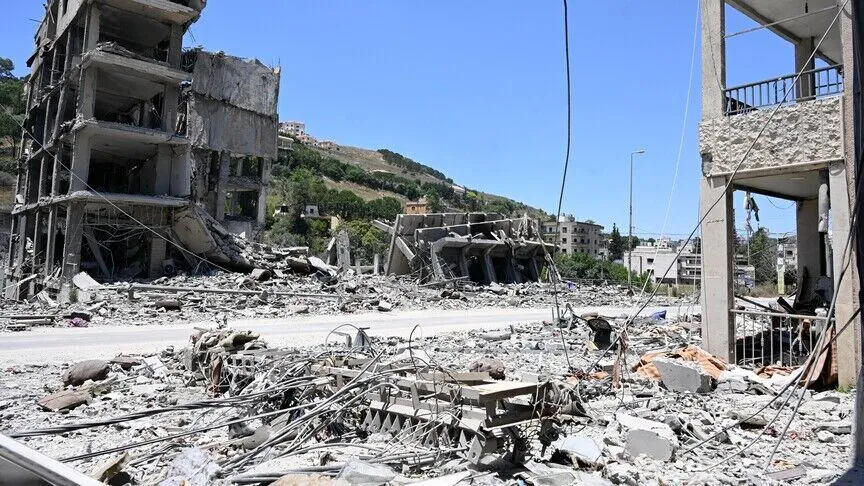
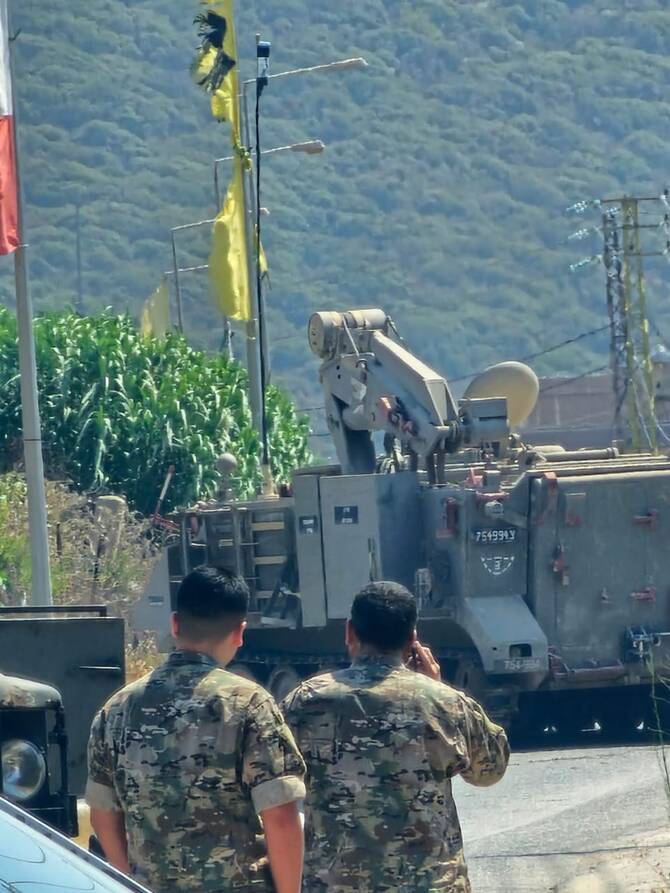
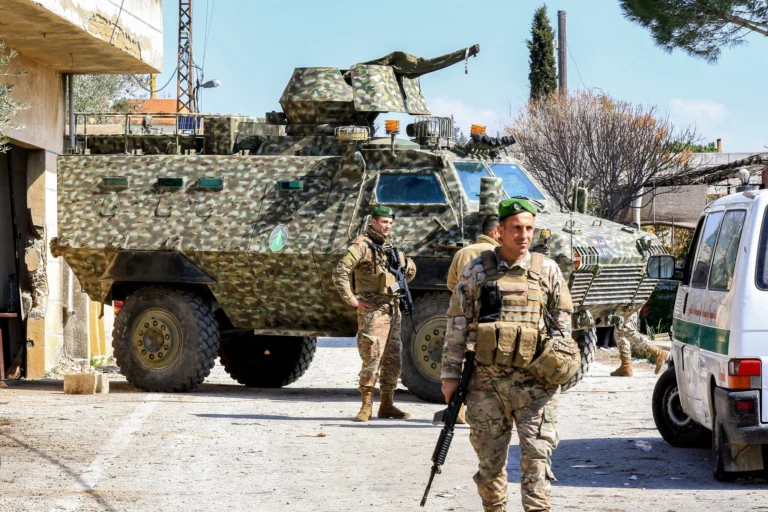
Lebanon’s Nidaa Al Watan newspaper reported Friday that Iranian officials instructed leaders of the “Axis of Resistance,” including Hezbollah, to prioritize military preparations. The newspaper cited information obtained from meetings held in Tehran during the recent funeral of former Iranian supreme leader Ali Khamenei, indicating that Iranian leaders warned the current period of waiting was ending. This directive emphasizes a shift in strategy by Tehran, urging its allies to be ready for potential widespread conflict. Iran continues to regard Hezbollah as its most important regional proxy, according to the report. This strategic importance is reflected in Iran's efforts to bolster Hezbollah's capabilities. The newspaper added that the Islamic Revolutionary Guard Corps is reportedly attempting to replenish the Lebanese group’s arsenal with advanced drones, including first-person-view systems and fiber-optic hardware. This resupply effort aims to enhance Hezbollah's operational capacity. In southern Lebanon, an explosive device detonated near a military vehicle in the village of Al-Mansouri, killing one Lebanese army soldier and wounding two others. Lebanese media later reported the blast was most likely caused by leftover munitions, after initially describing it as an attack targeting army personnel. The incident noted the volatile security situation in the area.
Israeli Strikes in Lebanon
Israel has largely remained on the sidelines during the latest exchanges between Washington and Tehran. However, the Israel Defense Forces (IDF) reported an operation targeting a Hezbollah cell in southern Lebanon. The Israeli Air Force, acting on intelligence from Commando Brigade troops operating under Division 36, struck and killed the cell. The operatives were identified using explosive drones in the village of Tabnit, near the security zone, before the strike was carried out. This precision strike demonstrates Israel's commitment to countering specific threats emanating from Lebanon. This action marks a direct engagement by Israeli forces against a specific Hezbollah threat within Lebanon, distinct from the broader US-Iran confrontations. The IDF confirmed that the operation was based on real-time intelligence, ensuring the targeting of active threats.
Broader Regional Implications
Iran’s Supreme Leader Mojtaba Khamenei issued a public warning that echoed the reported message delivered to the country’s regional allies. This statement showed the potential for a wider conflict. Mojtaba Khamenei stated, "Now that the American enemy seeks to ignite further war, impose even heavier costs, and suffer even greater disgrace, it should know that the noble Iranian nation and the Axis of Resistance have unforgettable lessons in store for it." This public declaration aligns with reports of Iran directing Hezbollah and other proxies to prepare for a broader conflict. The Supreme Leader's words reinforce the notion that the current period of waiting for regional actors is concluding, signaling an anticipation of heightened confrontation. The rhetoric from Tehran suggests a readiness to engage in a more extensive regional struggle, with its proxy network playing a key role.