Conflicting reports regarding ongoing ceasefire negotiations between Iran, the United States, and Israel emerged Tuesday, with a regional official stating Iran had not communicated at all during the day. This statement disputed claims by semiofficial Iranian news agencies Fars and Tasnim that Iran had ceased communication with mediators. The reports from the Fars and Tasnim news agencies had indicated that Iran stopped communicating with mediators about extending a ceasefire in the war with the U.S. And Israel. President Donald Trump, however, disputed the claim, stating that talks were continuing. "The conversations between us have been going on continuously, including four days ago, three days ago, two days ago, one day ago and today," Trump said, adding, "Where they lead, one never knows, but as I told Iran, ‘It’s time, one way or another, for you to make a Deal.'" This ongoing diplomatic effort is taking place on day 78 of the Iran war, a conflict that has seen significant military and humanitarian impacts.
Meanwhile, Lebanon and Israel agreed to extend a fragile ceasefire by 45 days beyond the Sunday deadline, which marked the April 16 cessation of hostilities. Iran's Foreign Minister Abbas Araghchi stated that Tehran had received communication from the Trump administration indicating openness to new negotiations, and he expressed openness to support from China in these efforts. These communications signal a potential, albeit complex, path forward in the protracted negotiations.
Conflicting Communication Claims
Reports from the Fars and Tasnim news agencies indicated that Iran had ceased communication with mediators. A regional official countered these reports, stating that Iran had, in fact, communicated that a ceasefire needed to be enforced in Lebanon for any negotiations to continue. This official, involved in the mediation, explicitly stated Iran had not communicated at all on Tuesday, directly disputing the reports by the semiofficial Iranian news agencies. Iran has been seeking to increase pressure on President Trump regarding negotiations on the Iran war ceasefire and the loosening of the Islamic Republic’s control over the Strait of Hormuz. Tehran insists that any potential truce in the regional conflict must also quell the fighting in Lebanon. Conversely, Israel and the United States maintain that the fighting in Lebanon is an issue separate from the Iran war talks. This fundamental disagreement on the scope of any potential ceasefire continues to be a significant hurdle in the discussions.
A deadlock persists concerning the issue of Iran's enriched nuclear material. President Trump suggested he could be open to Iran placing its civilian nuclear program on hold for two decades. This openness was contingent on Tehran demonstrating a genuine commitment to a broader agreement. The issue of Iran’s enriched nuclear material remains a significant point of contention, contributing to the ongoing deadlock in negotiations. This specific point of contention notes the deep distrust and differing security imperatives between the parties involved.
Escalating Lebanon Conflict
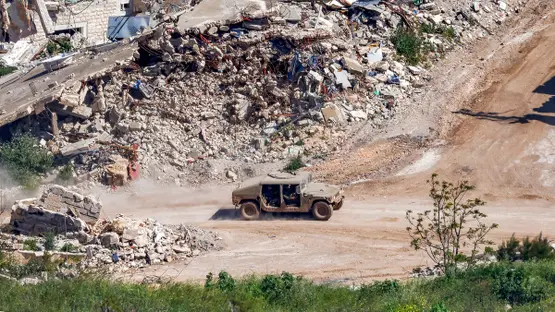
Tensions flared in Israel’s separate but related conflict against the Iranian-backed militia Hezbollah in Lebanon. Israeli Prime Minister Benjamin Netanyahu's forces have advanced deeper into Lebanon than at any point in over a quarter of a century. This aggressive posture has intensified the conflict, drawing international concern. The Israeli military has been actively engaged in operations to counter Hezbollah's presence and capabilities in the region.
On Friday, at least 12 people were killed in Lebanon, including three paramedics, according to Lebanese authorities. The Israeli military reported that its forces killed more than 220 Hezbollah fighters over the past week and struck over 440 targets across southern Lebanon. These strikes are part of the broader escalation in the region, reflecting the intensity of the ongoing military engagements. The Israeli military's actions are a direct response to perceived threats from Hezbollah, leading to a cycle of violence that impacts civilian populations.
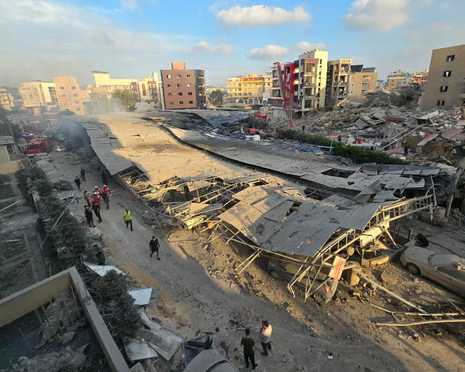
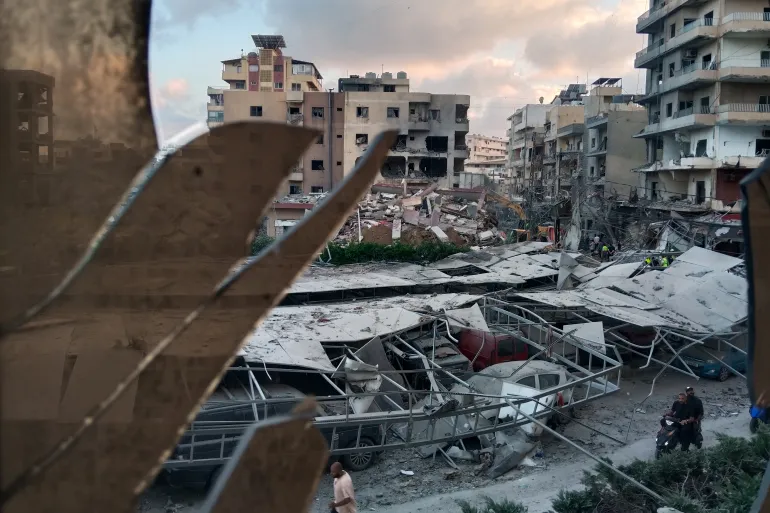
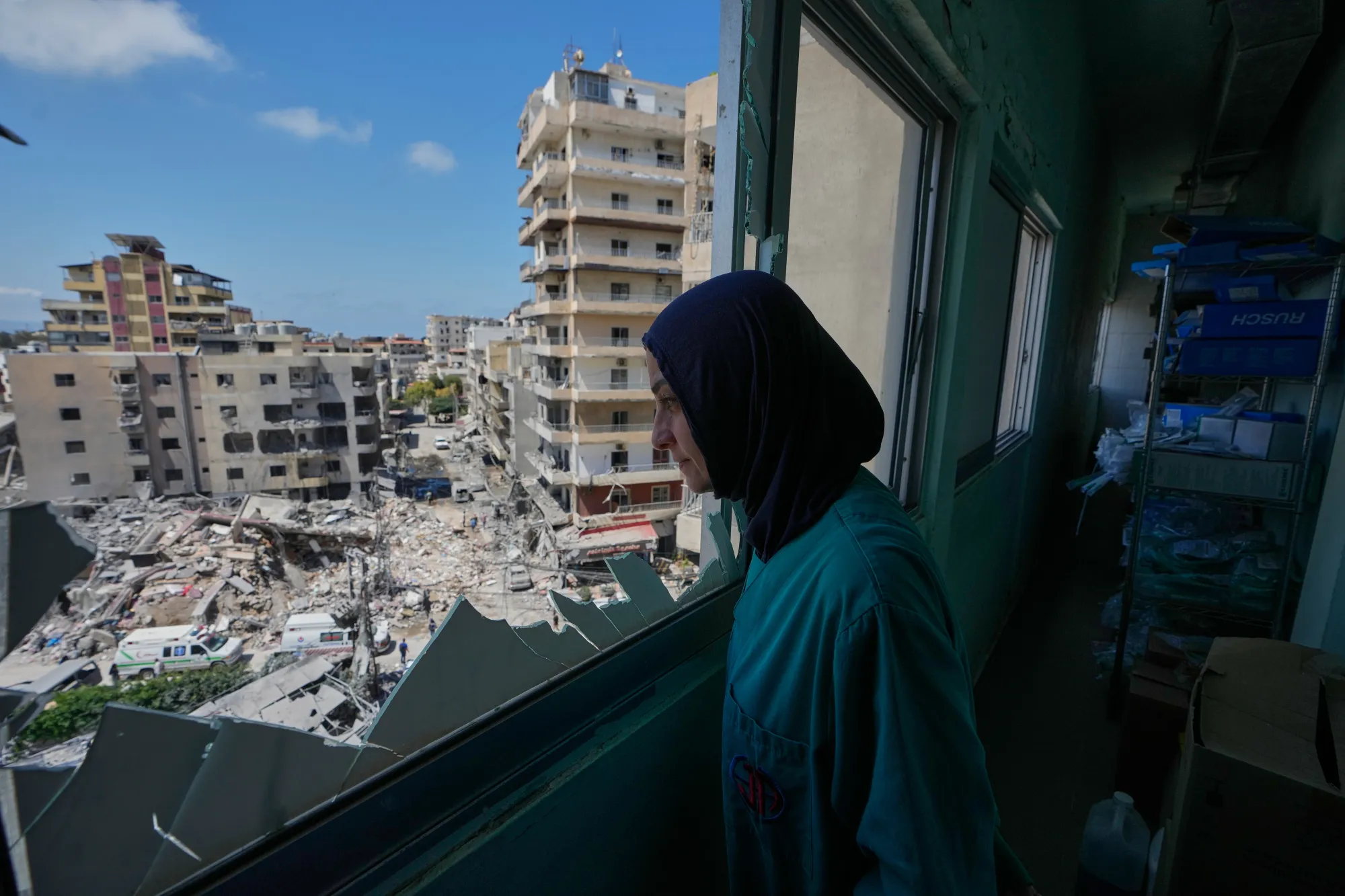
An Israeli strike hit a building in the southern Lebanese city of Tyre on Friday. Following this, the Israeli military subsequently ordered residents in nine towns and villages in southern Lebanon to evacuate ahead of anticipated attacks. This directive signals a potential expansion of military operations in the area, further displacing civilian populations. The displacement of residents adds to the humanitarian crisis exacerbated by the conflict. Lebanon’s Ministry of Public Health reported that Israeli attacks have caused at least 2,951 fatalities and wounded 8,988 others since March 2. These figures highlight the severe humanitarian impact of the ongoing conflict on the Lebanese civilian population, showing the urgent need for de-escalation and a lasting resolution.
Economic Pressures and Protests
Year-on-year inflation in Iran reached a level in May unseen since World War II, according to official figures. Iran's Central Bank reported that the consumer price index reached 77.2% in May compared with the year before, marking an 8.5% increase from April. Inflation in daily and general needs rose 113.8% from the previous year. These current inflation figures are described as an "unprecedented rate since World War II," with the previous record inflation rate occurring in 1942. The staggering economic data shows the severe challenges facing the Iranian populace, who are grappling with the rising cost of living and diminishing purchasing power.
Economic pressures have previously fueled widespread unrest in the country. Nationwide protests in Iran in 2017 into 2018, sparked by rising food prices, resulted in the deaths of over 20 people and saw hundreds arrested. An increase in government-subsidized gasoline prices the following year caused protests during which over 300 people were reportedly killed. Protests over the collapsing value of Iran's currency, the rial, at the start of this year led to a crackdown that killed over 7,000 people, according to activists' estimates. The rial, which traded at 32,000 to $1 in 2015, now trades at over 1.7 million to $1. This drastic depreciation of the national currency reflects profound economic instability. Tehran-based economist Saeed Leilaz warned that annual inflation in Iran could reach 80%. Leilaz added, "Iran's society cannot tolerate above 25% annual inflation," emphasizing the potential for further social unrest if economic conditions do not improve. The cumulative effect of these economic hardships and the government's response to protests illustrate a deeply volatile internal situation within Iran, which may influence its approach to international negotiations.
Strait of Hormuz Dynamics
The Strait of Hormuz, a critical maritime chokepoint, historically facilitated the passage of a fifth of all traded oil and natural gas during peacetime. Recently, Iran has permitted more ships to transit through the Strait, attributing this to many countries accepting its new legal protocols for passage. This development suggests a shift in Iran's approach to managing traffic through the vital waterway, potentially aimed at easing international tensions or asserting its maritime authority under new terms.
However, the strategic importance of the waterway continues to draw international attention and differing views. China's UN envoy, Fu Cong, criticized a proposed United States-backed Security Council resolution concerning the Strait of Hormuz, stating its timing and content were "not right." This notes ongoing geopolitical tensions surrounding the control and regulation of the Strait, with major global powers holding divergent perspectives on its governance and security. In response to regional dynamics, the United Arab Emirates plans to expedite the construction of a new ADNOC pipeline. This pipeline will connect Abu Dhabi to Fujairah, aiming to double the country's oil export capacity outside the Strait of Hormuz by 2027. This infrastructure project shows efforts by regional players to mitigate reliance on the Strait of Hormuz for oil exports, reflecting concerns about its security and stability, and a strategic move to diversify energy export routes.
Broader Diplomatic Landscape
U.S. Secretary of State Marco Rubio testified at a congressional hearing in Washington, offering an optimistic assessment of the nuclear dimension of the ongoing negotiations. Rubio sounded an optimistic note about the nuclear dimension of the negotiations, while cautioning, however, that there was no guarantee of reaching “a deal that’s acceptable.” These developments occurred on day 78 of the Iran war, during which US-Israeli attacks caused at least 650 impact incidents across Tehran. These incidents resulted in more than 1,260 fatalities and wounded at least 2,800 people. Reports also indicated that approximately 51,000 homes were damaged in Tehran, alongside more than 10,700 cars and 754 motorcycles, which included nearly 150 taxis. The extensive damage and casualties in Tehran show the severe impact of the conflict on urban areas, noting the human cost of the ongoing hostilities. Separately, U.S. Prosecutors charged Iraqi national Mohammad Baqer Saad Dawood al-Saadi, an alleged senior Kataib Hezbollah figure, over his purported role in at least 18 attacks and attempted attacks in Europe and Canada. This legal action points to the broader international dimensions and implications of the ongoing regional conflicts and the activities of proxy groups, demonstrating that the reach of these conflicts extends far beyond the immediate battlegrounds.