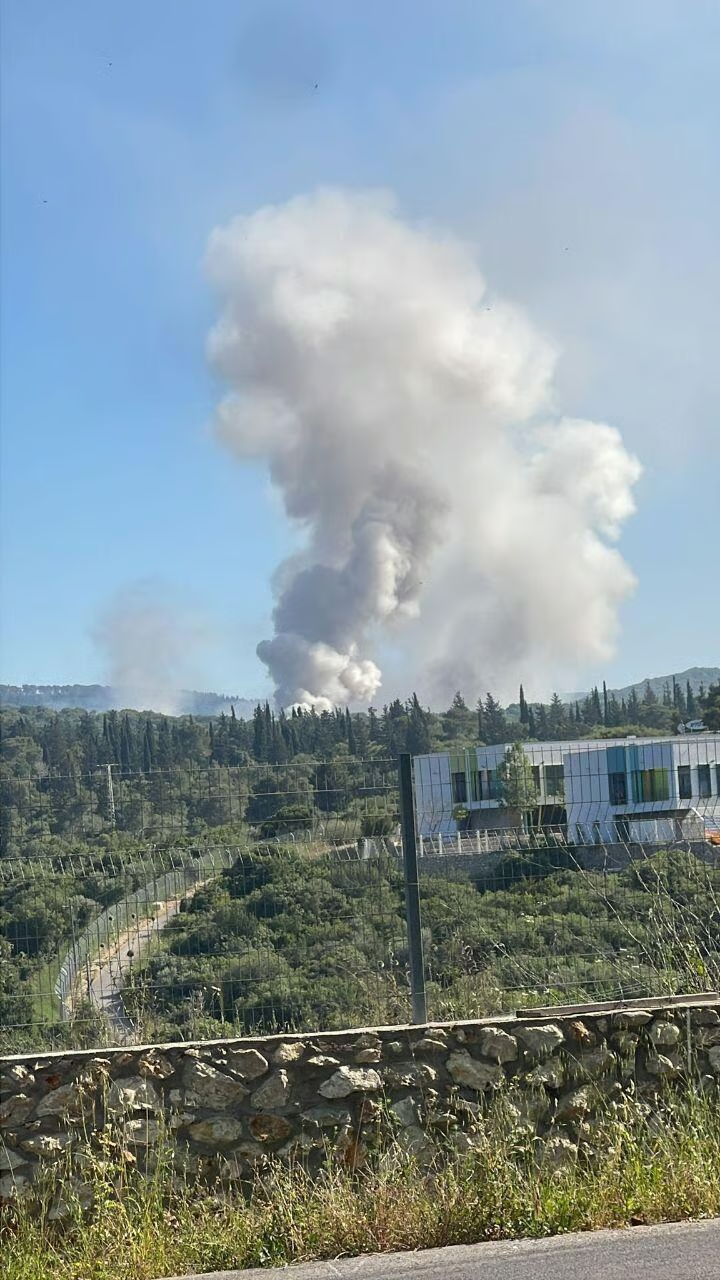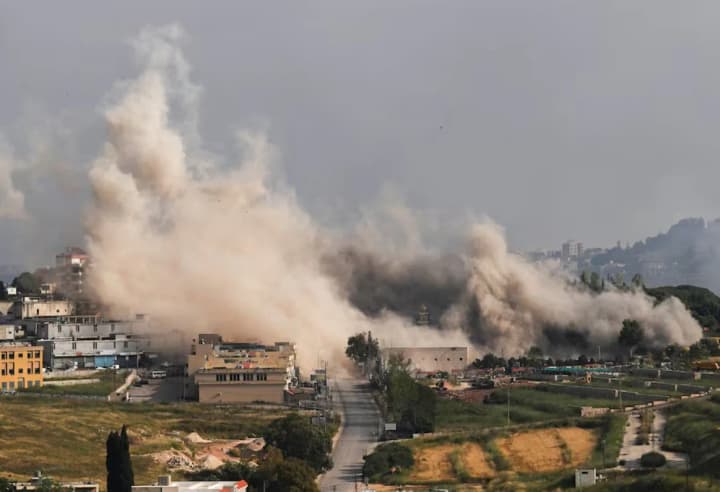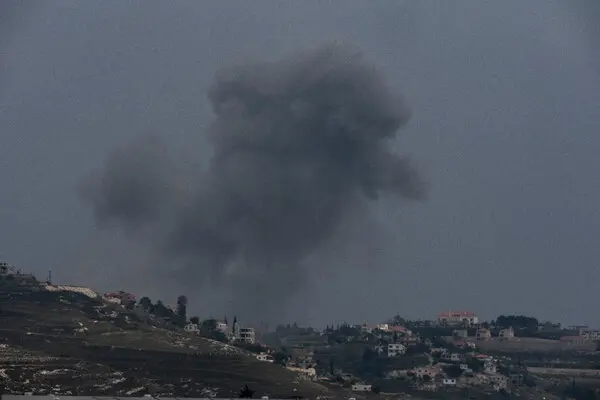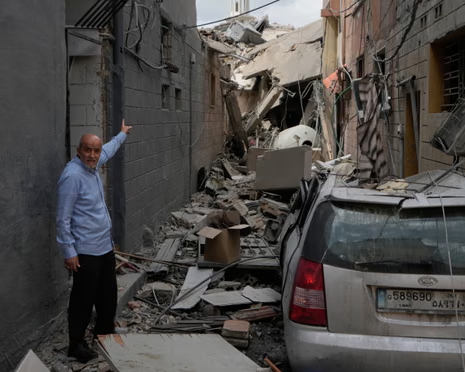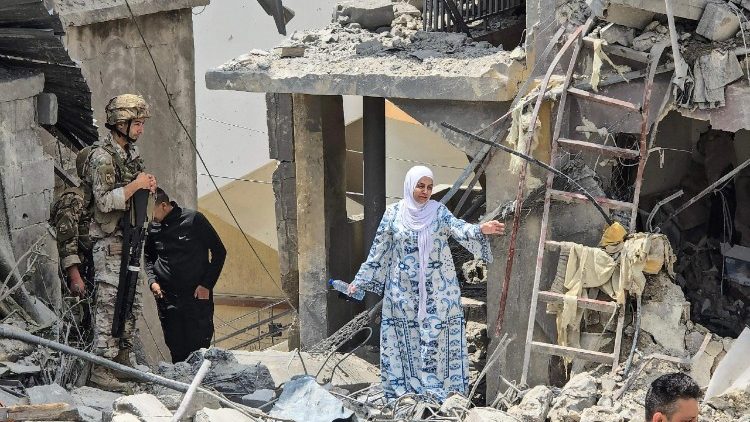
Israeli air attacks in southern Lebanon’s Tyre district have resulted in at least two fatalities. The intensified strikes have also triggered widespread displacement, with nearly one million people now uprooted across Lebanon. This significant exodus shows the severe humanitarian impact on civilian populations as cross-border hostilities escalate between Israel and Lebanon. Homes and infrastructure in southern Lebanon have sustained significant damage from the bombardments, leaving many communities devastated. The staggering displacement figures highlight the immense scale of the crisis facing residents and communities near the border, as they grapple with the immediate and long-term consequences of the ongoing conflict.
Escalating Violence and Destruction
On Tuesday alone, 31 people were killed, including women and children, and 40 others were wounded in further attacks, marking a particularly grim day in the escalating conflict. During the same period, the Israel Defense Forces (IDF) pounded Lebanon with more than 120 air strikes, demonstrating the intensity of their military operations. These intensified bombardments have led to extensive damage, with hundreds of homes and villages reported destroyed across the country, fundamentally altering the landscape and livelihoods of countless individuals. The increasing scale of these operations has severely exacerbated the humanitarian crisis, driving further displacement and raising urgent concerns about civilian safety and the protection of non-combatants in the war-torn region.
Humanitarian Crisis Unfolds
Almost 3,200 people have been killed in the renewed Israeli campaign, according to figures released by the Lebanese health ministry, painting a stark picture of the human cost. This campaign has also resulted in close to 10,000 injuries, stretching Lebanon's healthcare infrastructure to its limits. The sheer scale of the humanitarian crisis is further evidenced by reports indicating that over 140,000 people are currently seeking shelter in converted public schools across Lebanon. These makeshift facilities are struggling to accommodate the overwhelming influx of displaced individuals, many of whom have fled their homes in southern Lebanon due to intensified Israeli strikes and the widespread threat of violence. The substantial numbers of dead, wounded, and displaced highlight the severe and ongoing impact on civilian populations, who bear the brunt of the escalating hostilities.
Context and Ceasefire Efforts
A ceasefire was announced on April 16, intended to halt fighting between Israel and the Lebanese-backed Hezbollah group, offering a glimmer of hope for de-escalation. Despite this declared cessation of hostilities, the Israeli military reported that 10 of its soldiers have been killed since the April 16 ceasefire began, indicating a persistent and deadly continuation of conflict. Six of these Israeli soldiers were killed specifically by Hezbollah's explosive drones, showing the advanced and lethal nature of the attacks being carried out by the Lebanese group. The ongoing casualties on both sides show the extreme fragility of the ceasefire and the persistent security challenges that plague the region, making a lasting peace increasingly difficult to achieve.
Official Statements and Outlook
Israeli Prime Minister Benjamin Netanyahu stated this week that his military was deepening its operations in Lebanon. This declaration comes amidst an ongoing escalation of hostilities and a rising humanitarian toll across the region, signaling a potential for further suffering. Netanyahu's comments suggest a continuation, and indeed an intensification, of the military campaign, which has already led to significant destruction and displacement of civilian populations. The statement signals a potential for further escalation of the conflict, impacting civilian populations and infrastructure even more severely. The pronouncement shows the official stance regarding the military's involvement in Lebanon, indicating a strategic decision to press forward with operations despite the growing humanitarian concerns and international calls for restraint.