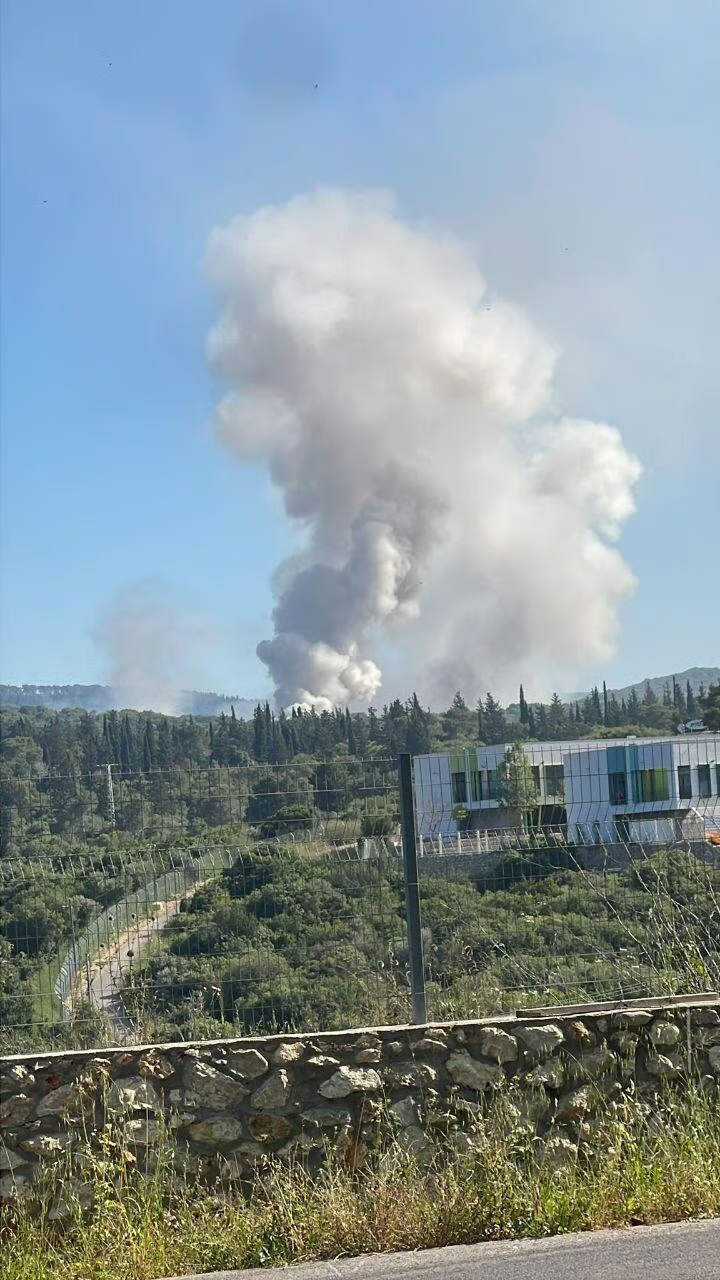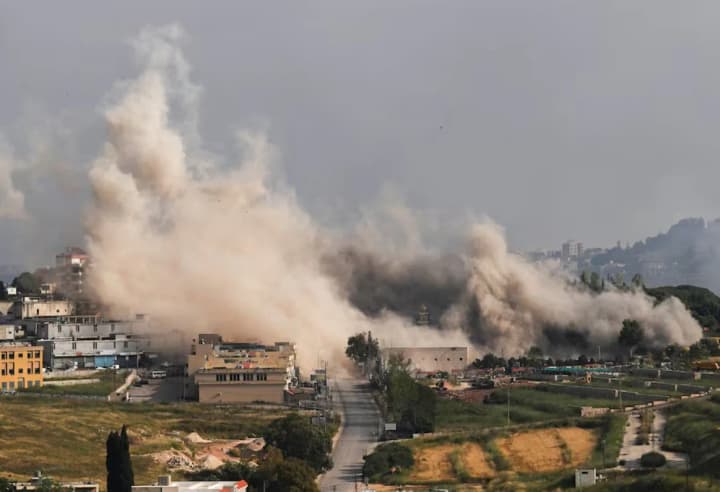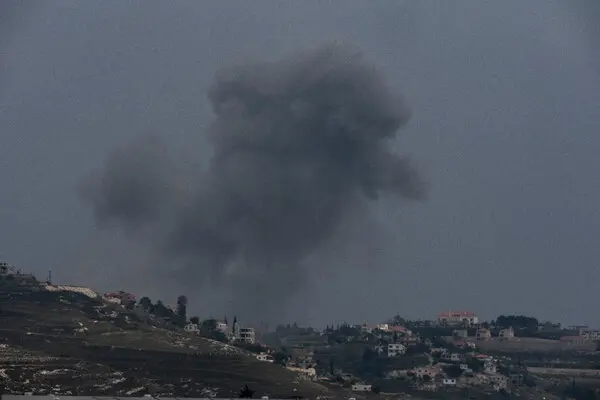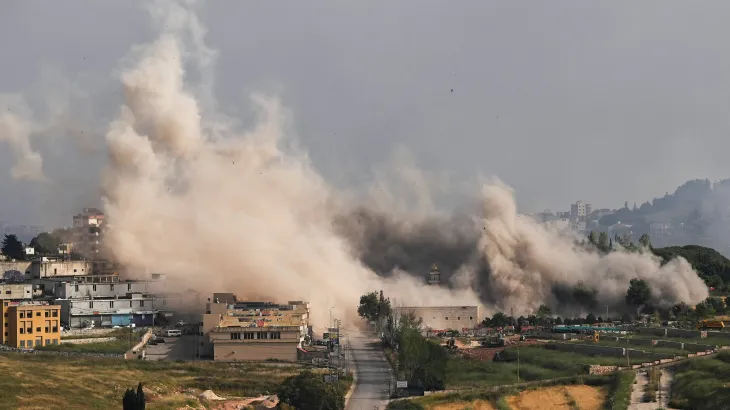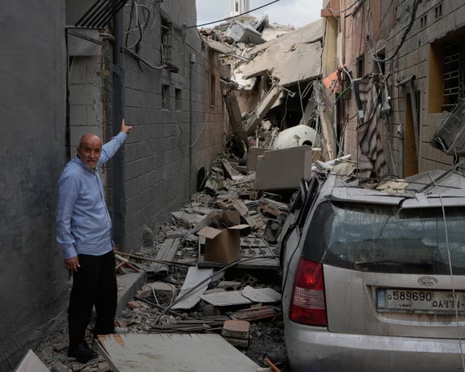
The Israel Defense Forces (IDF) stated it conducted strikes targeting Hezbollah infrastructure in southern Lebanon and the Bekaa Valley on Tuesday, May 26. The IDF released multiple videos it said depicted these operations, providing visual evidence of the military action. These strikes represent a significant response by Israel to ongoing cross-border hostilities.
Details of Strikes
Footage released by the Israel Defense Forces (IDF) displayed explosions and thick plumes of smoke ascending from sites hit during the strikes, clearly illustrating the intensity of the operations. The videos, disseminated by the IDF, aimed to confirm the successful targeting of Hezbollah assets. The IDF reported that these operations targeted Hezbollah infrastructure in various locations, specifically mentioning facilities and operational sites. Military officials further elaborated that the IDF had also targeted militants and rocket-launching infrastructure in southern Lebanon. This infrastructure, according to the IDF, had been utilized in recent attacks against Israeli forces, showing the retaliatory nature of the operations. The precision of these strikes, as suggested by the released footage, indicates a detailed understanding of Hezbollah's operational layout in the targeted regions.
IDF Justification and Scale
The Israeli military reported striking over 150 targets in the past day, marking a substantial increase in the scope of its operations. These targets reportedly included sites utilized by Hezbollah militants, encompassing command centers, weapons depots, and observation posts. The IDF's operations were part of a broader effort to neutralize what it described as threats emanating from Lebanese territory. The military did not specify the exact locations of all 150 targets, but indicated they were concentrated in areas where Hezbollah infrastructure and operatives are known to be present. This widespread targeting suggests an intent to significantly degrade the group's capabilities. The scale of the strikes suggests a significant operational response by the IDF to recent activities attributed to Hezbollah, reflecting a heightened state of alert and a proactive stance against perceived threats. The IDF maintains that these actions are necessary to protect Israeli citizens and territory from aggression.
Context of Escalation
The recent Israeli military actions against targets in Lebanon follow an extended period of cross-border exchanges, which have seen a steady increase in intensity. Tensions have been high along the Israel-Lebanon border, with frequent reports of rocket fire from Lebanese territory into Israel and retaliatory strikes by the Israel Defense Forces (IDF). Hezbollah, an Iran-backed group, maintains a significant presence in southern Lebanon and the Bekaa Valley, leveraging these areas for its operational activities. Its operatives and infrastructure have been the primary focus of IDF operations, which Israel states are aimed at degrading the group's capabilities and preventing further attacks against its northern communities and military personnel. The current situation reflects a persistent pattern of hostilities that has characterized the region for months, with both sides engaging in a cycle of action and response. The ongoing exchanges highlight the fragility of the security situation along the border.
Regional Implications
The recent escalation between the Israel Defense Forces (IDF) and Hezbollah in Lebanon carries significant regional implications, drawing concern from international observers. Continued cross-border exchanges risk widening the conflict beyond the immediate border areas, potentially drawing in other regional actors. Analysts are monitoring the situation for potential ripple effects across the Middle East, particularly given Hezbollah's deep ties to Iran, which could complicate any de-escalation efforts. The involvement of the Bekaa Valley in the latest IDF strikes indicates a broader scope of operations than previous engagements, which were often concentrated solely in southern Lebanon. This expansion suggests a more full approach by the IDF to address Hezbollah's capabilities wherever they are located. The sustained military actions could further destabilize an already volatile region, impacting humanitarian situations and regional power dynamics. The potential for miscalculation remains a serious concern.