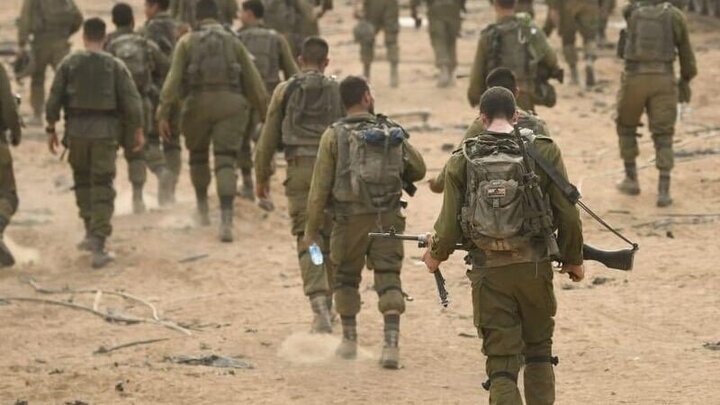
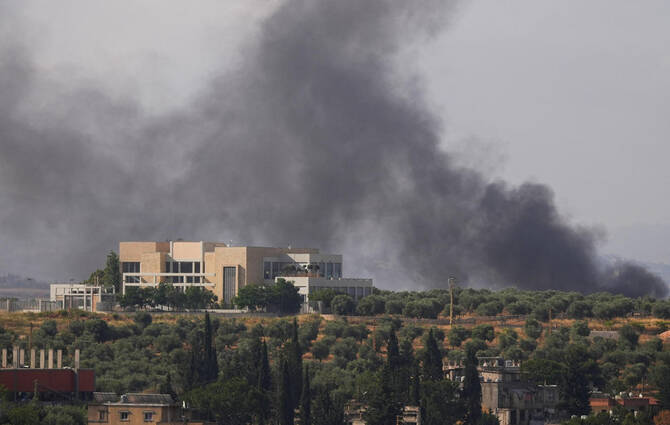
The Israel Defense Forces (IDF) reported striking more than 70 Hezbollah terrorist infrastructure sites in Southern Lebanon over the past 24 hours. This action comes as IDF troops concluded an operation in the Dibbin area, located in the Marjayoun District north of Metula. The IDF specified that these targeted sites included launchers and various structures, which were claimed to be utilized by Hezbollah operatives to advance terrorist attacks against both Israeli soldiers and civilians. On Friday, soldiers from the 769th 'Hiram' Brigade completed their activities in the region, bringing the operation to a close. The IDF stated that the operations specifically targeted infrastructure belonging to Hezbollah, which had been identified as key for their operational capabilities.
Extensive Strikes on Hezbollah Strongholds
These sites included launchers and structures that the IDF claimed were used by Hezbollah operatives to advance terrorist attacks against Israeli soldiers and civilians. The Israeli Air Force (IAF) struck more than 50 targets in Dibbin, simultaneously dismantling dozens of terrorist infrastructures and locating weapons storage facilities. The IDF further asserted that the Dibbin area itself functioned as a Hezbollah stronghold, serving as a critical base for preparing terrorist attacks against Israel. This strategic importance showed the necessity of the extensive operations conducted in the region. Since the commencement of 'Operation Roaring Lion' on February 28, more than 30 terrorists have been killed in the Dibbin area, according to IDF reports. The intensity of these strikes reflects the IDF's stated objective to degrade Hezbollah's operational capacity in Southern Lebanon and neutralize threats originating from the area.
IDF soldiers identified Hezbollah terrorists inside an underground tunnel network beneath the Beaufort Ridge on Thursday. These terrorists subsequently opened fire at a drone before attempting to escape the tunnel route. The IAF responded swiftly, striking and eliminating the terrorists identified in the tunnel. Following these engagements, Israeli forces conducted thorough searches of the area, leading to the location of numerous weapons. The recovered arsenal included mortar shells, fragmentation grenades, RPG launchers, Kornet anti-tank missiles, anti-aircraft machine guns, and Kalashnikov rifles, as detailed by the IDF. The discovery of such a diverse array of weaponry notes the significant military capabilities maintained by Hezbollah within these underground infrastructures. The IDF emphasized that these findings provided further evidence of Hezbollah's extensive preparations for hostile actions against Israel.
Elimination of Key Commanders and Underground Networks
Seven Hezbollah terrorists operating from an underground route in Southern Lebanon were eliminated over the past week, according to IDF reports. The IDF stated that this particular underground site was used by the terrorists not only for transit but also for storing ammunition, mortars, and food supplies, indicating its role as a strategic logistical hub. Following the strike on the underground facility, soldiers conducted a detailed inspection of the site. During this inspection, they located Kalashnikov rifles, various pieces of military equipment, launch positions, and additional weapons, further substantiating the IDF's claims regarding the facility's purpose and Hezbollah's activities within it. The elimination of these operatives and the discovery of their caches show the ongoing efforts by the IDF to neutralize Hezbollah's subterranean capabilities.
The IDF also reported the elimination of several key Hezbollah commanders, a development that military analysts suggest could significantly impact the organization's command structure and operational effectiveness. Among those killed was Hajj Salameh, who commanded the Nasser Unit, a significant operational arm within Hezbollah. His elimination was followed by the subsequent killing of his two successors, Mahdi Bazzi and Ashraf Salloum, within a short timeframe. This rapid succession of losses within a single unit points to a focused intelligence and targeting effort by the IDF. In another incident, Nasser Shaqir, commander of the Shaqif Sector, and his successor Ahmad Sablini were eliminated within less than 12 hours, indicating precise and timely intelligence-led operations.
Additional commanders from various Hezbollah sectors have also been listed among those killed, reflecting a broader campaign to dismantle the organization's leadership across Southern Lebanon. These include Ali Abbas, commander of Hezbollah's Bint Jbeil Sector; Kamil Younes, commander of the Tyre Sector; Fuad Moussa, commander of the Hajir Sector; Hussein Salami, commander of the Jibshit Sector; Ali Khayekh, commander of the al-Khiam Sector; and Musallam Harb, commander of the Qana Sector. The IDF showed that these eliminations were part of ongoing operations specifically targeting Hezbollah infrastructure and operatives in Southern Lebanon, aiming to degrade their ability to plan and execute attacks against Israel. The cumulative impact of these losses on Hezbollah's command and control capabilities remains a significant aspect of the ongoing conflict.
Hezbollah's Continued Attacks and Israeli Responses
Despite the intensive IDF operations, Hezbollah continued to launch missiles and hostile aircraft at Israeli communities along the Lebanese border and at soldiers operating in Southern Lebanon on June 12-13. These actions highlight the persistent nature of the cross-border conflict and Hezbollah's continued attempts to challenge Israeli defenses. On Saturday morning, the Israeli Air Force (IAF) successfully downed a suspicious aerial target that had crossed from Lebanon into Israel, demonstrating Israel's active air defense capabilities. Following this interception, rocket-alert sirens were subsequently sounded in Metula and Kibbutz Misgav Am, indicating potential threats in those areas and prompting residents to seek shelter.
On Friday night, sirens blared in Kibbutz Manara, Moshav Margaliot, Arab al-Aramshe, and Kibbutz Adamit due to hostile aircraft infiltration, showing the broad geographical reach of Hezbollah's aerial threats. The IAF intercepted hostile aircraft in one of these incidents, preventing it from reaching its target and mitigating potential damage. However, another hostile aircraft successfully hit Israeli territory near the border, prompting further alerts and responses from Israeli forces. Despite these cross-border attacks and infiltrations, a significant detail reported by the IDF was that no injuries were reported from any of these incidents, suggesting effective protective measures and rapid response protocols. The continued launches and incursions show the ongoing operational challenges faced by Israeli forces along the northern frontier, necessitating constant vigilance and defensive actions.
IDF's Stated Objectives and Broader Impact
The Israel Defense Forces (IDF) stated that the Dibbin area functioned as a Hezbollah stronghold, used for preparing terrorist attacks against Israel. This designation provides context for the scale and intensity of the operations conducted in that specific region. Military reports indicate that more than 10 Hezbollah field commanders, along with their appointed successors, have been eliminated in recent operations. This significant attrition in leadership is expected to disrupt Hezbollah's operational continuity and planning capabilities. Since the conflict began, over 1,300 Hezbollah operatives have been killed in Lebanon, according to IDF figures. This total figure encompasses all casualties reported by the IDF since the start of the war, reflecting the extensive scope of the ongoing military engagement between Israel and Hezbollah. The IDF's sustained campaign aims to significantly diminish Hezbollah's military infrastructure and operational capacity in Southern Lebanon, thereby enhancing the security of Israeli communities bordering Lebanon. The persistent nature of the conflict, characterized by both Israeli offensive actions and Hezbollah's retaliatory strikes, suggests that tensions along the northern border are likely to remain high as both sides continue their military engagements.