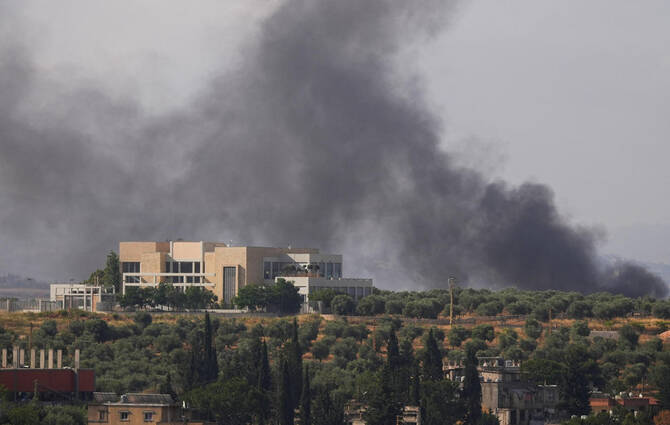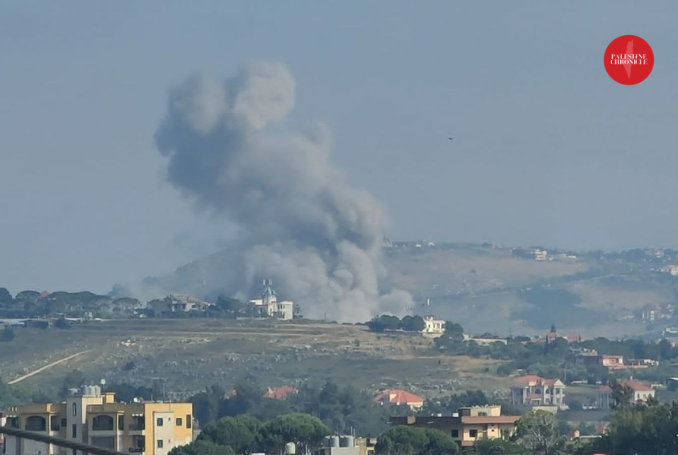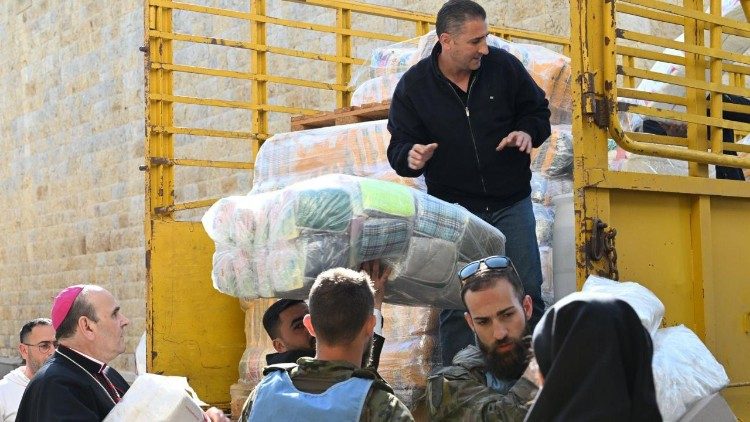
A humanitarian convoy comprising 45 trucks and vehicles, laden with food aid, medicines, and fuel, was rerouted on Thursday after encountering ongoing crossfire in southern Lebanon. The incident occurred as the convoy attempted to deliver vital supplies to communities in the region, including Debel, Ain Ebel, and Rmeich. The rerouting became necessary to ensure the safety of the personnel and the integrity of the aid following reports of active hostilities. The convoy had been en route to distribute essential provisions to residents affected by the recent escalation of violence, noting the perilous conditions faced by aid workers in the volatile region.
Details of the Incident
The humanitarian convoy, consisting of 45 trucks and vehicles, was forced to alter its planned itinerary after encountering an exchange of fire in southern Lebanon. The aid supplies, which included food, medicines, and fuel, were specifically designated for three Christian villages in the region: Debel, Ain Ebel, and Rmeich. These communities were the intended recipients of the vital provisions before the rerouting became necessary, showing the critical need for assistance in these areas. The convoy's mission was to provide relief to residents who have been significantly impacted by the ongoing conflict.
The decision to change the convoy's course was made following active hostilities involving the Israeli army (IDF) and Hezbollah militias. The exchange of fire between these two groups directly impacted the safety of the original route, prompting the organizers to seek an alternative path to protect both the humanitarian workers and the valuable cargo. The presence of ongoing military operations and skirmishes made the initial route impassable, forcing the convoy to navigate a more circuitous and time-consuming journey. The convoy's mission was to deliver essential assistance to residents affected by the ongoing situation in southern Lebanon, where access to basic necessities has become increasingly challenging.
Archbishop's Account
The humanitarian convoy departed from Beirut early in the morning, beginning its key mission to deliver aid to southern Lebanon. After encountering crossfire, the convoy was rerouted and eventually reached Debel. The journey to Debel took 10 hours, significantly longer than the original planned route due to the need to navigate an alternative path through areas deemed safer. This extended travel time reflects the severe logistical challenges and security risks inherent in delivering aid to the region. The aid, which included food, medicines, and fuel, was intended for the Christian villages of Debel, Ain Ebel, and Rmeich, all of which have been grappling with the effects of sustained conflict and disruption.
Archbishop Paolo Borgia reported the incident to Vatican media, providing a firsthand account of the challenging circumstances. He stated that the convoy "had to turn back and take an entirely different route, obtaining new authorizations in order to travel safely." This process of securing new clearances further complicated and delayed the mission, yet it was deemed essential for the security of all involved. Archbishop Borgia explained, "It was not possible to continue along the route” that had been coordinated with the relevant authorities, because of the additional insecurity that had arisen." This notes the unpredictable nature of the conflict zones and the rapid deterioration of security conditions.
The Archbishop described the scene, noting, "We were all in our vehicles, in a long convoy carrying various kinds of humanitarian aid, especially food supplies, fruit, vegetables, water, as well as medicines and fuel,” destined not only for Debel but also for Ain Ebel and Rmeich. The full nature of the aid package was designed to address multiple urgent needs within the affected communities.
Borgia added that "There were also goods intended for local shops — given the current shortage of supplies — and at the same time for farmers and livestock breeders, so that life in the villages might gradually begin again in some way." This broader approach to aid aims not just at immediate relief but also at fostering a degree of normalcy and economic resilience in the face of adversity. Despite the challenges, including the rerouting which turned the journey into "a journey of 10 hours," Borgia said, "We are in a situation of war, but we will continue our commitment to helping the people." This steadfast dedication shows the humanitarian imperative driving these missions.
Mission Context and Commitment
The incident on Thursday marked a significant, yet not isolated, event in the ongoing humanitarian efforts in southern Lebanon. Archbishop Borgia expressed optimism, stating, "I believe there will already be another convoy next week," signaling an unwavering commitment to the affected populations. This particular mission was the twentieth visit to southern Lebanon since the beginning of the war on March 2. This consistent presence demonstrates the long-term dedication of humanitarian organizations to providing sustained support to the region.
The overall effort since the conflict began on March 2 has comprised 17 humanitarian convoys, similar to the one rerouted on Thursday, and three pastoral visits, which often combine spiritual support with needs assessment and aid distribution. "It is important to be present,” he concluded, “because this gives people the possibility of remaining in their communities and surviving." The regular delivery of aid, despite the inherent dangers and logistical hurdles, is key for preventing further displacement and supporting the resilience of communities in southern Lebanon. The continued operations show the severe and persistent humanitarian crisis stemming from the conflict.