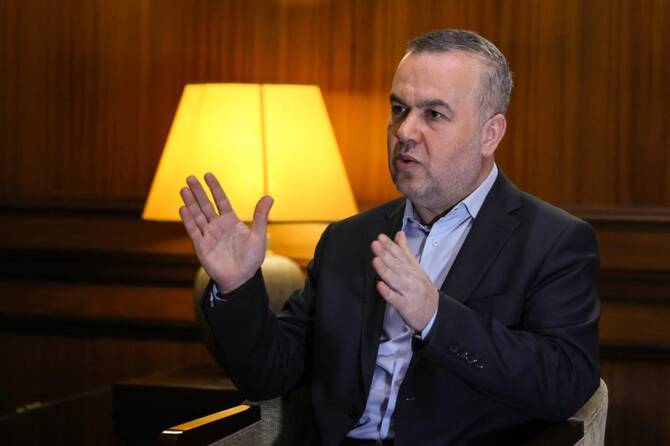
Hezbollah lawmaker Hassan Fadlallah stated the group could "thwart" the objectives of direct negotiations between Lebanon and Israel, which have been underway under pressure from the United States. Lebanon and Israel, officially at war since 1948, held two meetings between their US ambassadors in Washington in recent weeks, with the first meeting leading to a pause in fighting between Israel and Hezbollah. Hezbollah drew Lebanon into the Middle East war on March 2.
Fadlallah affirmed that "these negotiations with all their results do not concern us, and we will not implement them." He elaborated, "We have a free people and a steadfast resistance capable of thwarting all the objectives of these negotiations, which increase the sharp division in the country between the factions of our people and within the state itself." Hezbollah leader Naim Qassem previously characterized any such agreement as a "sin." Fadlallah also stipulated that "any new agreement that will be established in Lebanon must guarantee that our country will not be attacked in any way." This report was published on April 13, 2026, at 5:51 PM EDT.
Hezbollah's Stance on Negotiations
Hezbollah will not abide by any agreements reached from ongoing Lebanon-Israel talks, according to statements from the group. The organization has also stated it will not engage in direct negotiations with Israel. Hezbollah lawmaker Hassan Fadlallah reiterated that "any new agreement that will be established in Lebanon must guarantee that our country will not be attacked in any way."
Israeli Prime Minister Benjamin Netanyahu has publicly set the goal of Hezbollah's disarmament and a potential peace agreement between Lebanon and Israel. However, Shosh Bedrosian, a spokesperson for Netanyahu, stated on Monday that there would be no ceasefire with Hezbollah. Separately, reports indicated that the ceasefire text grants Israel the right to act against "planned, imminent or ongoing attacks."
Lebanese President Joseph Aoun previously stated that the negotiations aim to stop the war, secure an Israeli withdrawal from the south, demarcate the border, and end the "state of hostility" with Israel. President Aoun called on Wednesday for Israel to fully implement the ceasefire before any talks could take place.
Wafiq Safa, a Hezbollah official, indicated that if a ceasefire is established and Israeli troops withdraw from Lebanon, Hezbollah would then be ready to negotiate with the Lebanese government about the fate of its weapons.
Context of Escalation and Diplomacy
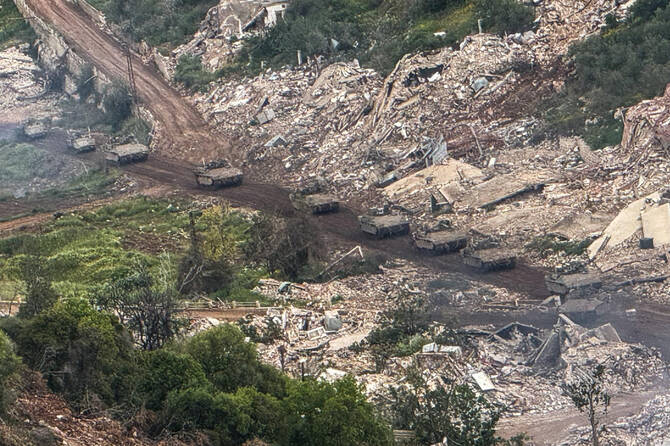
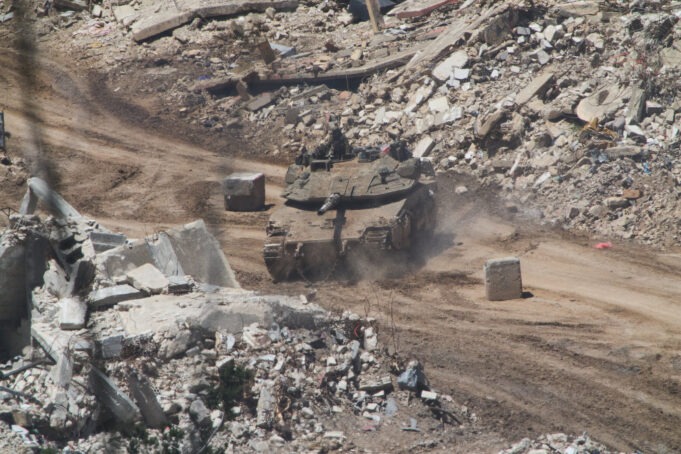
Hezbollah fired rockets at Israel on March 2, reportedly in support of Iran. The latest round of conflict between Hezbollah and Israel began on March 2, two days after Israel and the United States launched a war on Iran. Hezbollah has been involved in cross-border exchanges of fire with Israel since the Hamas attack on southern Israel on October 7. Hours after Tehran and Washington announced a truce last Wednesday, Israel launched over 100 strikes across Lebanon, including in densely populated residential and commercial areas of central Beirut. Israeli strikes on Beirut and its southern suburbs have since halted, though intense fighting has continued in southern Lebanon.
Israeli attacks on Lebanon have killed more than 2,600 people, according to reports. The war has displaced over 1 million people in Lebanon and killed more than 2,000, including more than 500 women, children, and medical workers. Lebanon’s health ministry reported that more than 100 women and children were among the over 350 people killed. Lebanon’s state-run National News Agency reported a series of Israeli strikes across the south.
Wafiq Safa, a Hezbollah official, confirmed for the first time that he was wounded during the earlier, 2024 Israel-Hezbollah war, stating, "but God granted me survival." He had been targeted by two Israeli strikes in Beirut. Safa denied that any Hezbollah officials or cadres were killed in Beirut, asserting, "Those who died in Beirut are 100% civilians." He added, "maybe a relative of his was." After March 2, the Lebanese government declared Hezbollah's armed wing illegal. The Lebanese government last year approved a plan to remove all weapons not belonging to the state. Safa reiterated Hezbollah's stance on negotiations, stating, "As for the outcomes of this negotiation between Lebanon and the Israeli enemy, we are not interested in or concerned with them at all," and "We are not bound by what they agree to." He emphasized, "The issue of resistance weapons is a Lebanese matter that has nothing to do with Israel or the United States."
Broader Implications and Resistance
For the first time in decades, envoys from Lebanon and Israel, which lack diplomatic relations, are meeting face-to-face in direct talks. Wafiq Safa, a high-ranking member of Hezbollah's political council, spoke on the eve of these talks between Lebanese and Israeli ambassadors to the U.S. In Washington. Safa made his remarks during a ceremony marking the 40th anniversary of the disappearance of Imam Musa al-Sadr and his companions. Hezbollah has been a significant political and military force in Lebanon since the 1980s.
Safa stated that Hezbollah has been informed Iran "was able to obtain a cessation of attacks" in Beirut's administrative region, including Dahiyeh, Beirut's southern suburbs, known as a Hezbollah-strong area. He confirmed he was wounded during the earlier 2024 Israel-Hezbollah war, stating, "but God granted me survival." Safa denied that any Hezbollah officials or cadres were killed in Beirut, asserting, "None of our officials or cadres was killed in Beirut. Those who died in Beirut are 100% civilians." He added that Kassem's secretary was not killed, though "maybe a relative of his was." Israel has claimed its strikes on Lebanon last Wednesday killed more than 250 Hezbollah militants.
Safa reiterated Hezbollah's position on the negotiations, stating, "As for the outcomes of this negotiation between Lebanon and the Israeli enemy, we are not interested in or concerned with them at all," and "We are not bound by what they agree to." Hezbollah leader Naim Qassem previously characterized any such agreement as a "sin." Safa emphasized, "The issue of resistance weapons is a Lebanese matter that has nothing to do with Israel or the United States." In U.S.-Iran peace talks held last weekend in Pakistan, Iran sought to include Lebanon in any ceasefire deal with the U.S. The Israeli military issued new evacuation warnings for a number of villages in southern Lebanon on Sunday.