Israeli forces are preparing for the "next stage" of implementing a ceasefire in Lebanon, according to reports. This development follows an escalation of hostilities, including a UN peacekeeper's death and continued cross-border exchanges. Senior Sergeant Milovan Jovanovic, identified by Serbia's defence ministry, died of wounds sustained when mortar shells struck his position near Marjayoun late on Wednesday. The Israeli military accused Hezbollah of firing the mortars that killed the peacekeeper. This tragic incident showed the volatile nature of the border region, even as diplomatic efforts sought to de-escalate tensions.
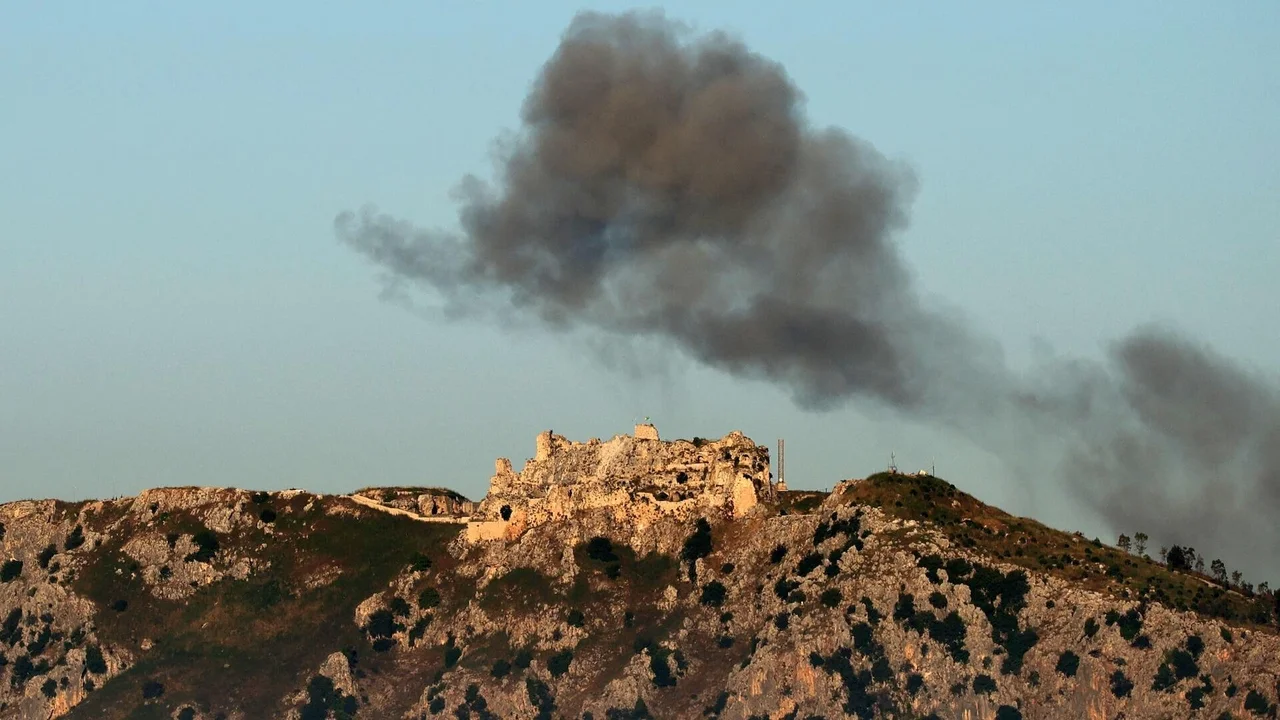
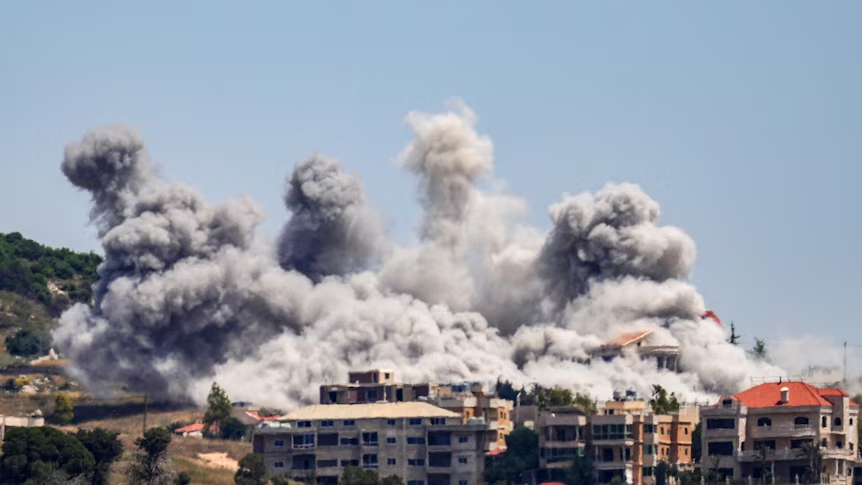
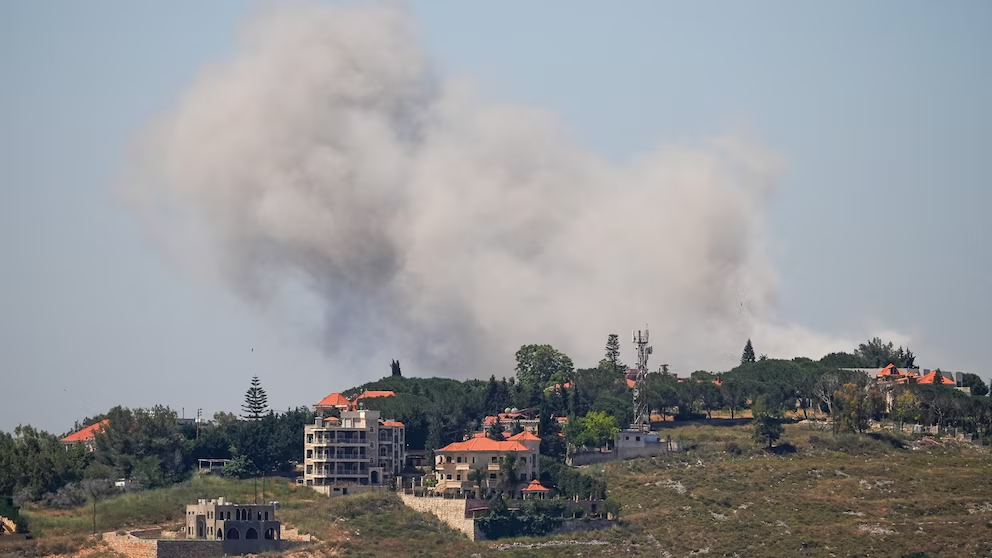
On Thursday afternoon, the Israeli military identified impacts from several "suspicious aerial targets" in southern Lebanon, indicating continued incursions and potential threats. Concurrently, Hezbollah claimed responsibility for targeting Israeli troops and military vehicles in Qantara and Beaufort Castle with drones and rockets on Thursday. These incidents show the ongoing clashes along the border despite calls for de-escalation and highlight the persistent military activity from both sides. The exchange of fire demonstrates the deep-seated animosity and strategic objectives driving the conflict, making any immediate cessation of hostilities a complex challenge.
Hezbollah's Rejection Explained
Hezbollah publicly rejected the U.S.-sponsored ceasefire deal in a letter addressed to its followers. Hezbollah's leader, Naim Qassem, stated that any negotiations were "futile" and "humiliating" for Lebanon. This strong condemnation from the group's leadership signaled a firm stance against the proposed agreement. The militant group was not directly involved in the ceasefire talks, fueling its opposition to the proposed terms and raising questions about the viability of any deal without its direct participation. Hezbollah interpreted the supposed ceasefire as a demand for surrender, believing it would primarily serve to fulfill Israel's strategic objectives in the region rather than address the core issues of the conflict from a Lebanese perspective. This perception of the deal as a capitulation rather than a genuine peace offering further solidified their rejection.
The proposed agreement reportedly involved the evacuation of all Hezbollah operatives from an area between the Israeli border and the Litani river, extending approximately 30 kilometers north. This provision was a key point of contention for Hezbollah, which views its presence in southern Lebanon as integral to its defense strategy and a deterrent against Israeli aggression. Under the proposed deal, the United States was to assist in establishing "pilot zones" where the Lebanese Armed Forces would assume exclusive control, effectively excluding all non-state actors, including Hezbollah, from these critical areas. This stipulation was seen by Hezbollah as an attempt to dismantle its operational capabilities and undermine its influence in its traditional strongholds. The group's leadership emphasized that such terms were unacceptable, viewing them as an infringement on Lebanese sovereignty and a direct challenge to its role in the country's resistance.
Lebanon was drawn into the ongoing conflict on March 2, when Hezbollah launched rockets into Israel. This action was taken in retaliation for an Israeli strike that resulted in the death of Iran's supreme leader, an event that significantly escalated regional tensions and directly led to Hezbollah's involvement in the wider conflict. The group's rejection shows its firm stance against any agreement that it perceives as undermining its operational capabilities or sovereignty within Lebanese territory. Hezbollah maintains that its actions are a legitimate response to Israeli aggression and a necessary component of its resistance ideology, making any unilateral disarmament or withdrawal from southern Lebanon a non-starter for the organization.
Israel's Stance and Preparations
The US-backed deal, which Hezbollah rejected, was reportedly contingent on a complete cessation of fire by the militant group. An Israeli source indicated that Israel does not intend to withdraw from areas south of the Litani river as part of any agreement. This stance suggests a potential point of conflict with Hezbollah's presence in the region, as both sides appear entrenched in their positions regarding control and influence over the border territories. Another Israeli source reiterated this position, confirming that Israel maintains its right to operate in the area and has no intention of ceding ground.
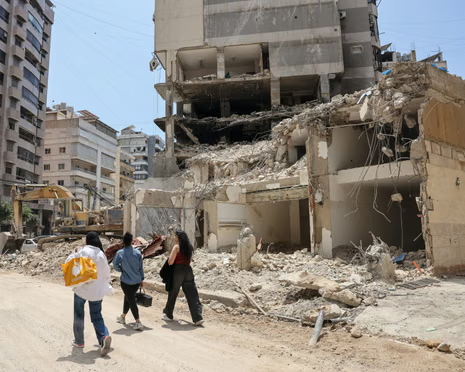
Israel had reportedly agreed not to carry out offensive actions against Hezbollah, including the demolition of homes, in exchange for Hezbollah ceasing its offensive actions against Israeli forces. This concession from Israel aimed to create a framework for de-escalation, but its effectiveness was contingent on Hezbollah's reciprocal commitment. However, Israeli Defence Minister Israel Katz stated that the Israeli military would "for the time being, continue its fire and operations on the ground." Katz added that the military's objective is to "dismantle terrorist infrastructure in the area," signaling no immediate halt to operations despite diplomatic efforts. This declaration from a senior Israeli official notes the ongoing military objective to degrade Hezbollah's capabilities, irrespective of the proposed ceasefire terms.
Prime Minister Benjamin Netanyahu ordered intensified strikes and a deeper invasion into Lebanon just last week, further escalating military actions. This directive came amidst ongoing cross-border hostilities and precedes the public rejection of the ceasefire deal by Hezbollah. The Israeli military's continued operations, as outlined by Minister Katz, suggest a sustained pressure campaign against Hezbollah's capabilities and presence in southern Lebanon. The focus on dismantling "terrorist infrastructure" shows a broader strategic goal beyond a simple cessation of current hostilities, indicating a long-term commitment to weakening the militant group. This aggressive posture further complicates ceasefire efforts, as it demonstrates Israel's determination to achieve its security objectives through military means if diplomatic solutions fail to meet its demands.
Broader Context and Human Impact
Air strikes in Lebanon on Thursday killed five people in the Bekaa Valley town of Sohmor, according to reports. Additionally, one person died when an Israeli aircraft targeted a motorcycle in Maaroub, near Tyre. These incidents are a stark reminder of the daily toll the conflict exacts on civilian lives. The ongoing conflict has exacted a significant human toll, with at least 3,526 people killed in Lebanon since the war began, the country's health ministry reported. This figure represents a devastating loss of life and shows the severe humanitarian crisis unfolding in the country.
The United Nations indicated that more than one million people have registered as displaced within Lebanon due to the hostilities. This massive displacement has placed immense pressure on humanitarian resources and infrastructure, creating a dire situation for those forced to flee their homes. The scale of civilian movement is further noted by Israeli evacuation orders, which reportedly cover more than an eighth of Lebanon's territory. These widespread orders have contributed significantly to the internal displacement crisis, forcing residents to abandon their communities in search of safety. On the Israeli side, 26 soldiers and four Israeli civilians have been killed, according to figures released by Israel, noting the reciprocal nature of the violence and the human cost borne by both nations. The ongoing conflict continues to have profound and tragic consequences for populations on both sides of the border, manifesting in widespread casualties, displacement, and a widespread sense of insecurity.
Diplomatic Efforts and Future Talks
A partial ceasefire, announced on Monday, involved Israel refraining from bombing Beirut in exchange for Hezbollah not attacking Israel, but a U.S.-brokered ceasefire on April 16 failed to stop the fighting. This sequence of events illustrates the fragility of diplomatic attempts and the difficulty in achieving a lasting peace. Representatives from Israel and Lebanon are scheduled to meet again on June 22 for further discussions, indicating a persistent, albeit challenging, commitment to finding a diplomatic resolution. Lebanese President Joseph Aoun stated that a ceasefire "could be implemented within 24 hours of its final approval," according to reports. He indicated that such an agreement would allow for a swift de-escalation of the conflict, provided all parties commit to its terms. This statement offers a glimmer of hope, suggesting that a rapid cessation of hostilities is technically feasible if political will can be marshaled.
However, the deep divisions and conflicting demands, particularly Hezbollah's outright rejection of the US-backed deal and Israel's continued military operations, present significant obstacles to any swift resolution. The upcoming talks on June 22 will therefore be critical in determining whether a common ground can be found or if the cycle of violence will continue. The international community remains watchful, hoping that diplomatic channels can eventually succeed in bringing an end to the escalating conflict and alleviating the immense suffering it has caused. The path to peace remains fraught with challenges, but the continued engagement of both sides in negotiations, despite setbacks, signifies a recognition of the urgent need for a diplomatic solution.