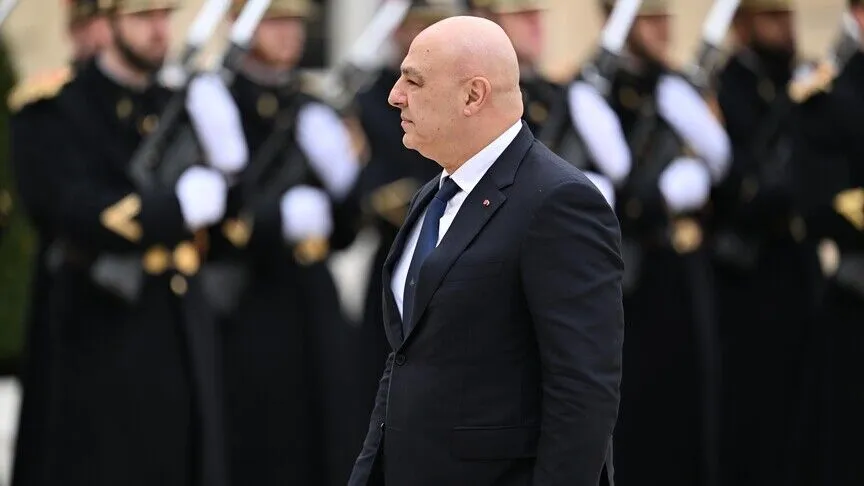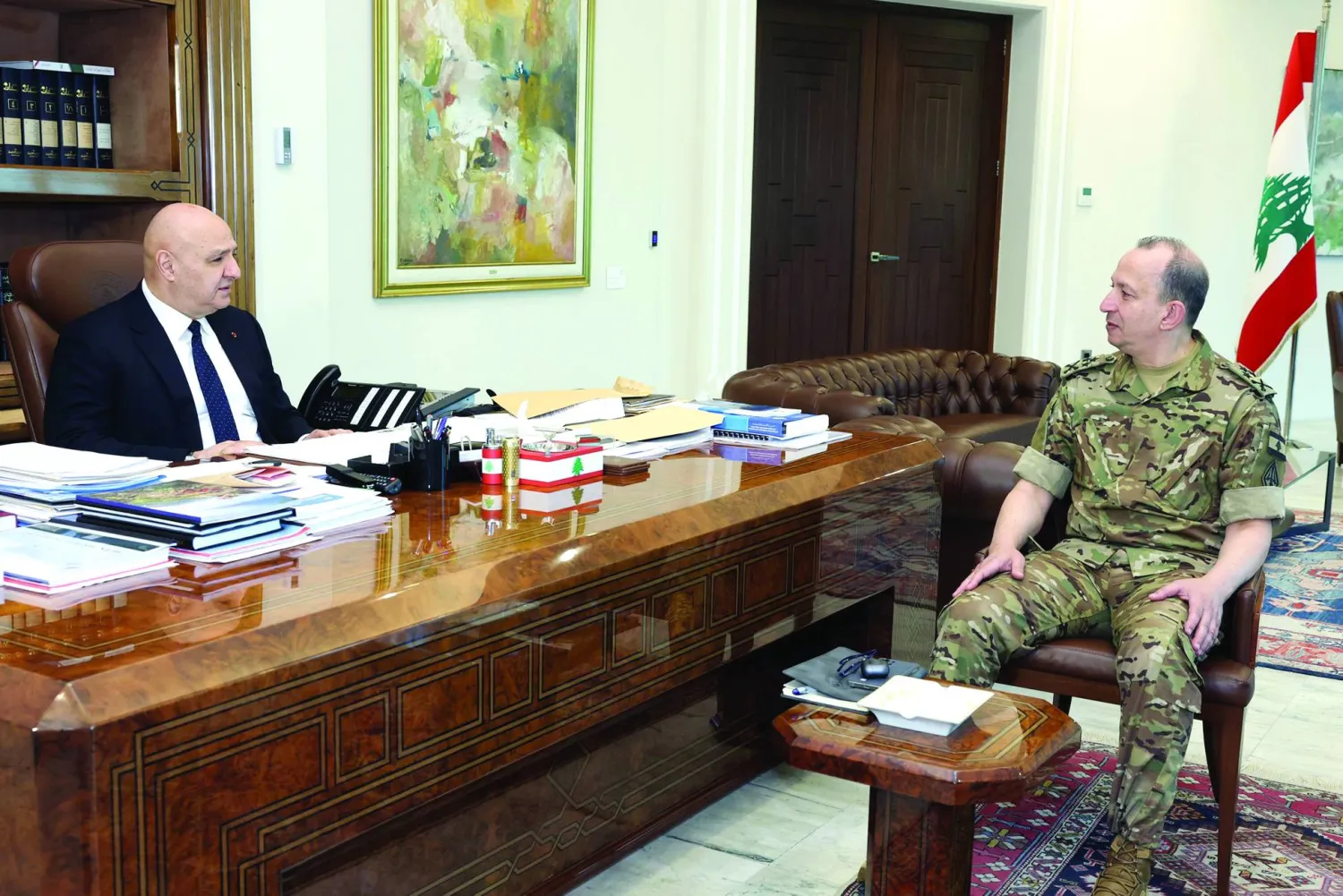
Hezbollah has significantly escalated its confrontation with Lebanese authorities, particularly the presidency, ahead of President Joseph Aoun's planned visit to Washington. This intensification of tensions indicates a deepening political rift within Lebanon, threatening to destabilize the already fragile political landscape. The group's actions are being closely watched by both domestic and international observers, given its powerful influence as a political and military force in the country. Hezbollah lawmaker Ali Fayyad publicly articulated the group's stance, stating, "the problem with this government has become serious, very serious." Fayyad further elaborated, asserting that "the bridges with it have been severed, the possibility of reaching an understanding no longer exists, and the consequences will not be favorable." His comments show a critical breakdown in relations between the powerful political and military group and the Lebanese government, signaling a potential shift towards a more confrontational approach. The political rhetoric emanating from Hezbollah suggests a deliberate strategy to exert pressure on the presidency and challenge its authority, raising concerns about the future direction of Lebanese governance.
Political Confrontation Intensifies
The political confrontation has been characterized by sharp accusations and a clear divergence in objectives. Hezbollah Member of Parliament Hassan Fadlallah accused President Joseph Aoun of transforming into "a political actor who deepens divisions among the Lebanese instead of serving as president and a symbol of national unity." This direct accusation notes the escalating tension between the Shiite political and military group and the Lebanese presidency, portraying the president as a divisive figure rather than a unifying one. Fadlallah's remarks reflect a growing frustration within Hezbollah regarding the president's policies and his perceived alignment with opposing factions. The group's public statements suggest an unwillingness to compromise, setting the stage for a prolonged period of political deadlock.
The deepening political rift has led to speculation about potential future actions, with analysts warning of increasingly drastic measures. Ali Al-Amin, a prominent political writer and editor-in-chief of the Janoubia news website, suggested that Hezbollah could consider resorting to assassinations or attempting to incite unrest in the streets against its domestic opponents. Such actions, if they were to occur, would mark a significant escalation in the ongoing internal Lebanese power struggle, pushing the country further into instability. Al-Amin's assessment shows the gravity of the situation, indicating that Hezbollah's current posture is not merely rhetorical but could translate into tangible and potentially violent actions. The implications of such a scenario for Lebanon's internal security and political cohesion are profound, raising fears of a return to past periods of civil unrest.
Amidst these internal political developments in Lebanon, the Yemeni government and the International Monetary Fund (IMF) have reached a staff-level agreement. This agreement outlines an 18-month economic reform program for Yemen, aiming to address the country's severe economic challenges. The parallel announcement notes the complex and interconnected nature of regional stability, where economic recovery in one conflict-affected nation occurs alongside escalating political tensions in another. This agreement is a key step for Yemen's long-term stability, providing a framework for much-needed economic restructuring and aid.
Army's Role and Southern Lebanon
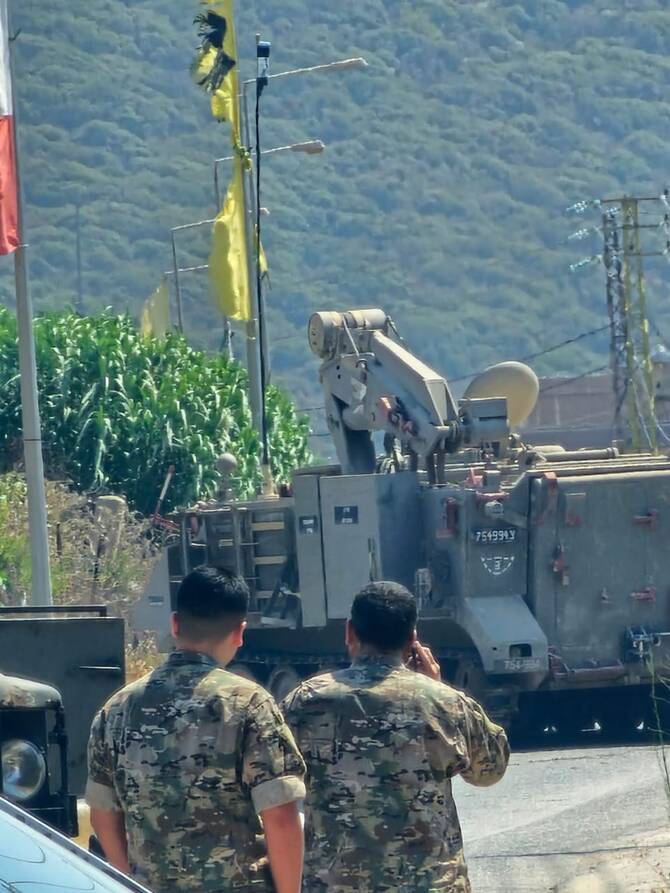
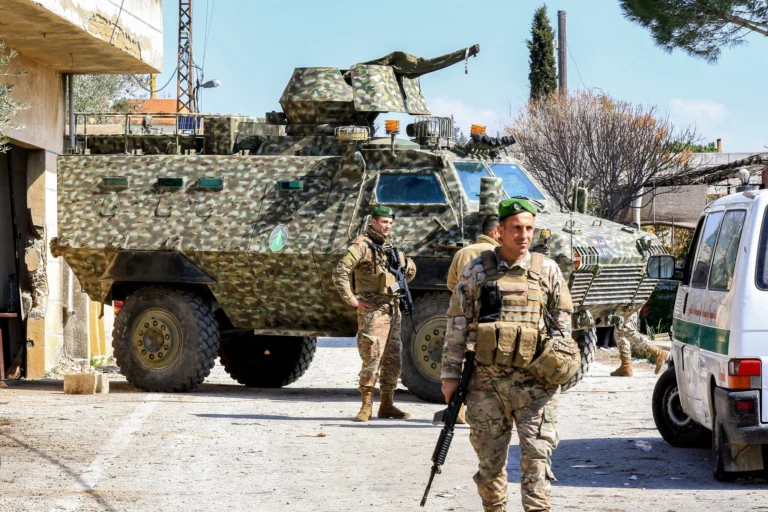
A major point of contention revolves around the role and autonomy of the Lebanese Army, particularly in the strategically sensitive southern regions. Hezbollah has reportedly refused to hand over its positions to the Lebanese Army, specifically citing the situation at Ali al-Taher Hill north of the Litani River. This refusal notes ongoing tensions regarding military control in southern Lebanon, a region where Hezbollah maintains a significant and entrenched presence. The group's stance suggests a reluctance to cede operational control or share authority with the national military, preferring to maintain its independent security apparatus. It has been suggested that Hezbollah aims for the Lebanese Army to maintain a neutral stance, effectively sidelining it unless its actions align with Hezbollah's strategic objectives. This interpretation implies that Hezbollah views the national army as a tool to be utilized when convenient, rather than as an independent institution responsible for national security across the entire territory. This dynamic complicates efforts to establish unified state control and sovereignty, particularly in areas near the border with Israel.
Further illustrating the volatile situation, an explosion resulted in the deaths of six Lebanese soldiers. The incident occurred as the soldiers were attempting to take control of a Hezbollah tunnel located in the Tyre district. This tragic event transpired following the November ceasefire agreement, showing the persistent challenges to security and sovereignty in the region and the dangers faced by national forces attempting to assert state control. The presence of such tunnels, and the casualties incurred during attempts to secure them, highlight the complex and often perilous nature of operating in areas where non-state actors maintain significant military infrastructure. The incident also raises questions about the effectiveness of ceasefire agreements when underlying territorial and operational disputes remain unresolved. The loss of life among the Lebanese soldiers further fuels the internal debate about Hezbollah's role and its relationship with the state's legitimate security forces.
Separately, in economic developments, the International Monetary Fund (IMF) mission and Yemeni officials conducted discussions in Amman, Jordan. These talks took place from July 5 to July 16, focusing on economic matters relevant to Yemen. The discussions aimed to lay the groundwork for economic stabilization and recovery in Yemen, which has been severely impacted by years of conflict. The engagement with the IMF signifies a commitment from Yemeni officials to pursue reforms that could alleviate the humanitarian crisis and foster sustainable development.
Expert Analysis and Future Outlook
Ali Al-Amin, political writer and editor-in-chief of the Janoubia news website, offered a critical analysis of Hezbollah's stance, stating the group "is not operating as a Lebanese political party concerned with the national considerations that shape the president's positions on negotiations, Lebanon's foreign relations, or the country's security." Al-Amin asserted that "Hezbollah today is, in effect, part of Iran's Revolutionary Guard, and its position toward President Joseph Aoun reflects Iran's position toward him." This perspective suggests that Hezbollah's actions are driven by regional rather than purely national interests, aligning its strategy with that of its primary patron, Iran. He added that Hezbollah considers the Lebanese Army "a force that is effectively sidelined except when its role serves the party's own interests," reinforcing the idea that the group views national institutions through a self-serving lens. Al-Amin also suggested that Hezbollah's actions, including "assassinations or efforts to stir unrest in the streets," "cannot be ruled out," emphasizing the potential for extreme measures in the ongoing power struggle. He further commented that "The more Hezbollah attacks President Aoun, the more Lebanese rally around him and the more isolated the party becomes. Any attempt by Hezbollah to provoke internal confrontation would harm everyone, but there is no doubt that Hezbollah itself would be the first to pay the price." This analysis posits that Hezbollah's aggressive tactics could backfire, leading to increased public opposition and further marginalizing the group domestically. He characterized Hezbollah's actions as "far from innocent," implying a calculated and potentially dangerous strategy.
Hilal Khashan, a professor of political science at the American University of Beirut, believes that "Hezbollah is preparing for confrontation and that the next phase will be extremely difficult and dangerous." Khashan's assessment aligns with the growing concern that the current political impasse could escalate into more overt conflict. He elaborated on the potential for escalation, stating, "it is not unlikely that Hezbollah will escalate in the streets in the coming days and weeks, despite President Aoun's warning that taking to the streets is a red line." This notes the significant risk of civil unrest, a scenario that President Aoun has explicitly warned against. Khashan's analysis shows the deep-seated divisions and the high stakes involved in the current political climate, suggesting that Hezbollah might be willing to cross established boundaries to achieve its objectives. These assessments from prominent analysts suggest a period of intensified political instability and potential unrest in Lebanon as the confrontation between Hezbollah and the Lebanese presidency continues, with the possibility of widespread repercussions for the country's future. The convergence of these expert opinions paints a grim picture for Lebanon's immediate future, indicating a trajectory towards increased internal strife.
Broader Regional Context
The escalating tensions in Lebanon are set against a backdrop of ongoing regional conflicts and military engagements. The Israeli military reported striking a Hezbollah cell near Tebnit in southern Lebanon on Saturday, July 18, 2026, after soldiers identified a Hezbollah drone in the area. This incident serves as a stark reminder of the volatile security situation along the Lebanese-Israeli border. The military stated this activity violated ceasefire understandings, indicating a breach of the fragile peace arrangements in place. Such cross-border incidents have the potential to rapidly escalate, drawing in regional and international actors. Separately, Hezbollah held a mass funeral in Majdel Selm on Saturday, July 18, 2026, for 44 people, including 39 fighters and four civilians, who were said to have been killed in Israeli operations. The large number of casualties and the public funeral show the human cost of the ongoing conflict and Hezbollah's continued engagement in military activities. The staging of such events also serves as a powerful propaganda tool, galvanizing support among its base and projecting an image of resilience.
Further south, in Gaza, Israeli strikes on Saturday, July 18, 2026, killed at least nine Palestinians, including three children. A strike on an apartment in the Nasr neighborhood killed at least five people, with children between the ages of 8 and 18 among the fatalities. Six other people were wounded in the Nasr neighborhood strike, including four children aged 8 to 16. Another Israeli strike hit a group of people in the Zeitoun neighborhood, killing four individuals and critically wounding one more. Gaza’s Health Ministry reports at least 1,127 Palestinians, including at least 260 children, have been killed since the October ceasefire. These grim statistics highlight the continuing humanitarian crisis and the devastating impact of military operations on civilian populations in the Gaza Strip. The persistence of such high casualty figures, particularly among children, shows the ongoing cycle of violence despite ceasefire agreements. Five Israeli soldiers have also been killed since the October ceasefire, indicating that the conflict continues to claim lives on both sides. The interconnectedness of these regional conflicts means that instability in one area can easily spill over into another, creating a complex web of challenges for peace and security across the Middle East. The regional context, therefore, plays a key role in shaping the internal dynamics within Lebanon, as Hezbollah's actions are often viewed through the prism of its broader regional alignment and strategy.