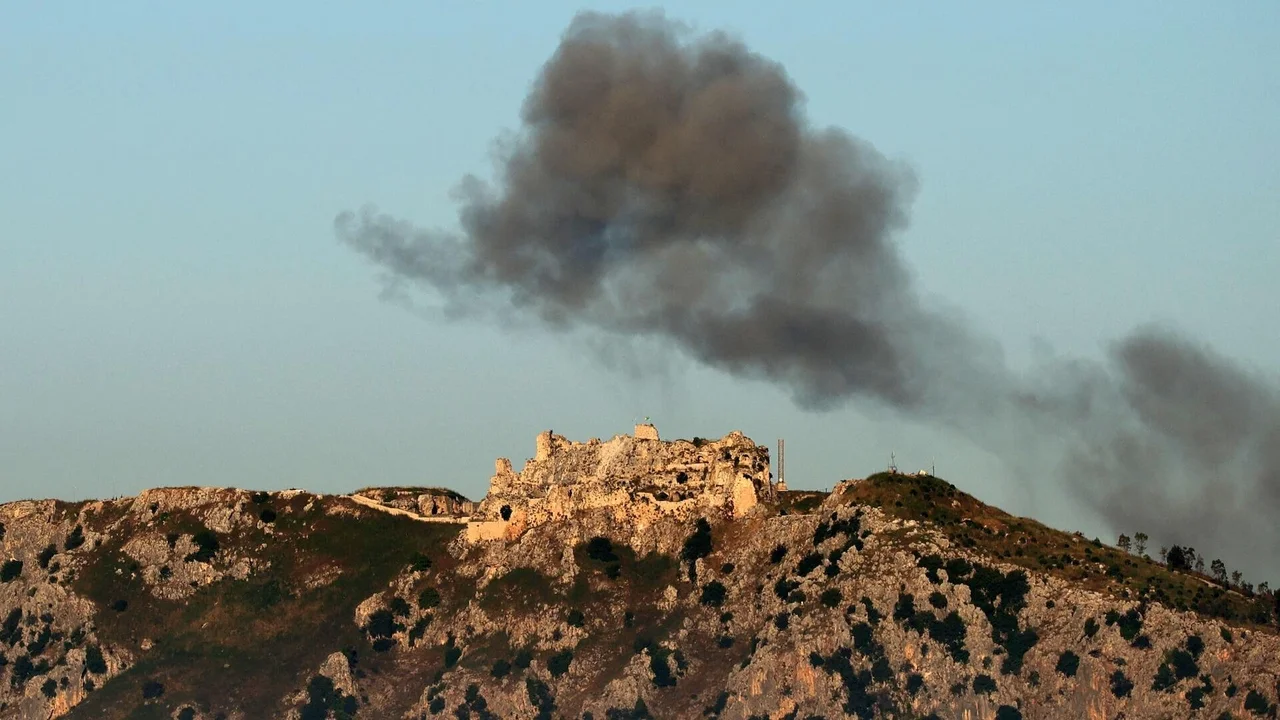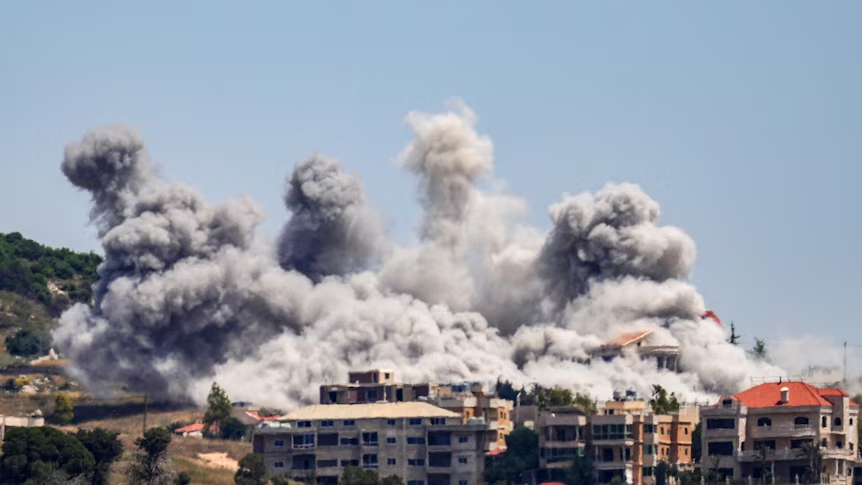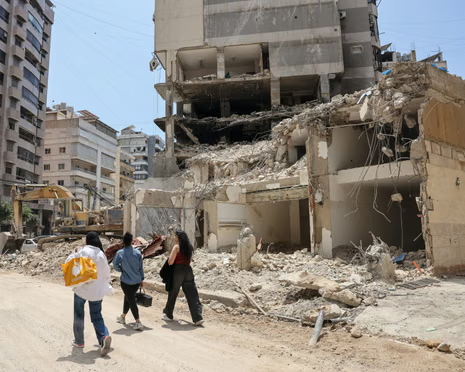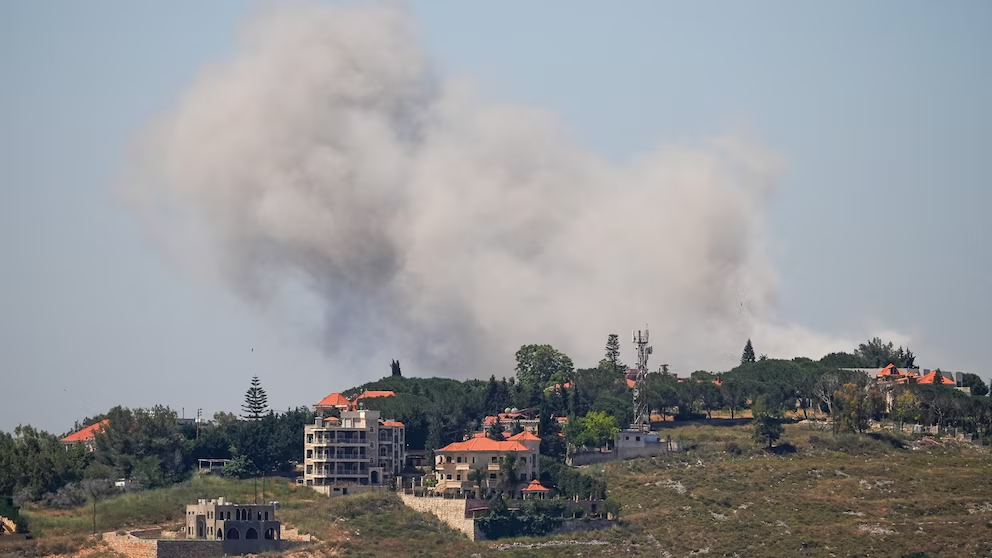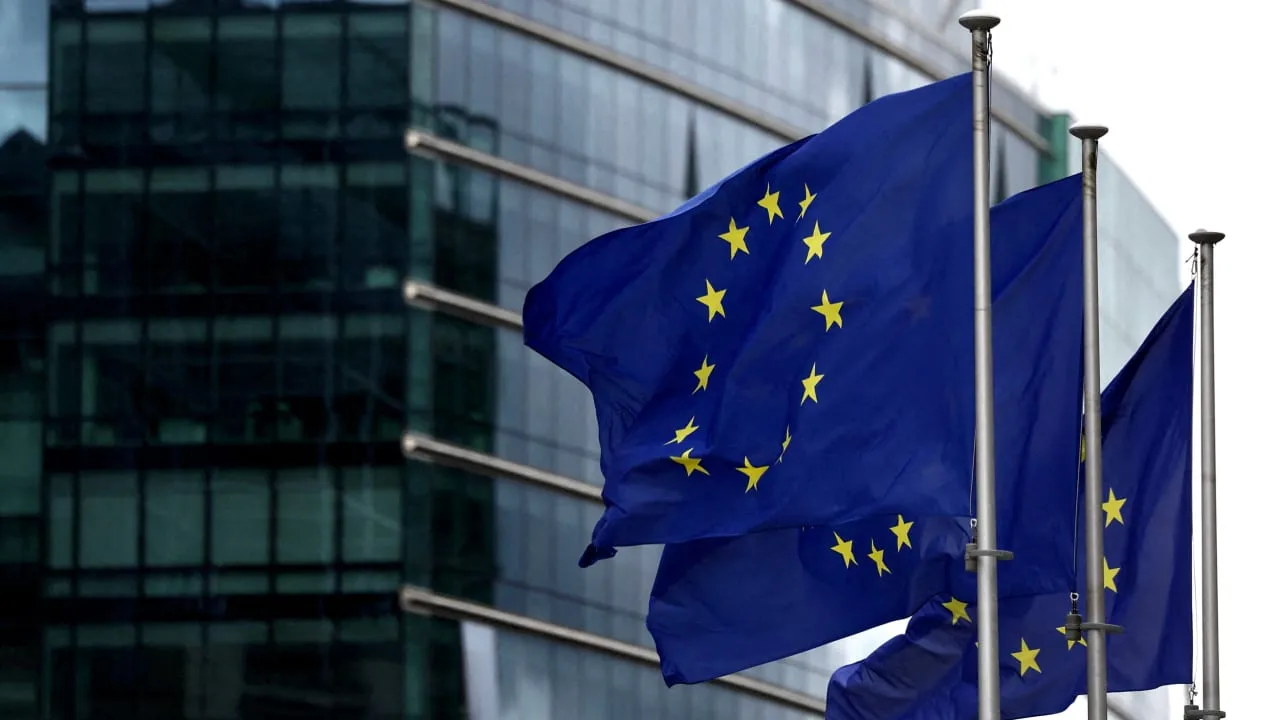
The European Union Council has agreed to provide an additional €100 million to the Lebanese military, a decision made amidst recent developments in the region. This financial commitment comes as the United States announced on Wednesday that Lebanon and Israel had reached an agreement to implement a ceasefire. The ceasefire understanding aims to de-escalate tensions along the border between the two nations, which have seen increased activity. The EU's support for the Lebanese armed forces is intended to bolster stability in Lebanon during a period of regional volatility. This significant injection of funds shows the international community's concern over the escalating situation and its potential wider implications for regional security. The EU's decision reflects a strategic effort to reinforce state institutions in Lebanon.
Hezbollah Rejects Ceasefire
Hezbollah rejected the proposed ceasefire plan on Thursday, despite the United States' announcement of an agreement between Lebanon and Israel. Hezbollah leader Naim Qassem condemned the negotiations, stating they were "shameless." Qassem further rejected the Washington declaration, describing it as "a roadmap for the annihilation of a section of the Lebanese people and the enslavement of the rest." His remarks show a significant divergence from the internationally brokered efforts to de-escalate tensions along the border between Lebanon and Israel. This strong rejection from a key non-state actor in Lebanon notes the complexities involved in achieving a lasting peace. The militant group's stance creates additional complexities for the implementation of any ceasefire arrangements in southern Lebanon, posing a considerable challenge to the proposed de-escalation efforts. The group's leadership has consistently voiced opposition to any agreements that they perceive as undermining their influence or the interests of its constituents.
EU's Strategic Aims
The newly approved assistance measure from the European Union aims to strengthen the defense capacities and capabilities of the Lebanese Armed Forces in Lebanon. This support is intended to destabilize Hezbollah's grip on the region. An Israeli official stated that Hezbollah is not one of the parties involved in the ongoing ceasefire negotiations. The official emphasized, "We are not negotiating with Hezbollah." Israel, Lebanon, and the United States are working towards implementing a ceasefire based on a specific understanding. The Israeli official clarified the terms, stating, "Israel, Lebanon, and the United States are working to implement a ceasefire based on the understanding that Hezbollah will be disarmed and southern Lebanon will be demilitarized.” The EU's financial aid is seen as a key component in bolstering the state's ability to assert its authority across its territory, including areas where non-state actors currently hold significant sway. The strategic objective is to empower the legitimate state forces to ensure national security and maintain order.
Broader Regional Context
The European Union's latest initiative, which includes an additional €100 million for the Lebanese military, brings the total EU support to Lebanon to €182 million to date. This financial commitment from the EU forms part of a broader strategy to bolster stability in the region. The funds are earmarked for strengthening the defense capacities and capabilities of the Lebanese Armed Forces, directly supporting Lebanon's state institutions. The EU's assistance aims to address the ongoing security challenges in Lebanon, particularly in the context of persistent regional tensions. This sustained support shows the European Union's continued engagement with Lebanon, providing resources intended to enhance national security and reinforce state authority. The total sum reflects a cumulative effort over time to reinforce the country's military infrastructure and operational capacity, demonstrating a long-term commitment to Lebanon's stability and sovereignty. This full aid package is designed to help Lebanon navigate the complex geopolitical landscape and strengthen its resilience against external and internal pressures.