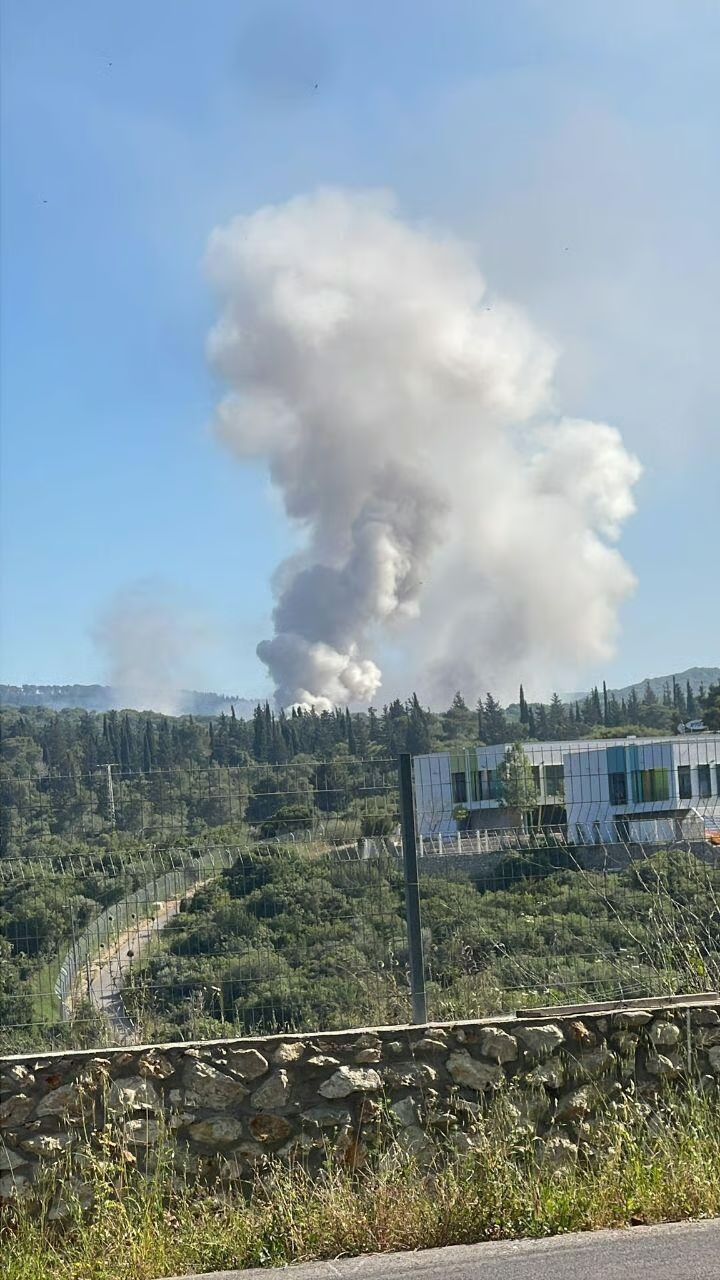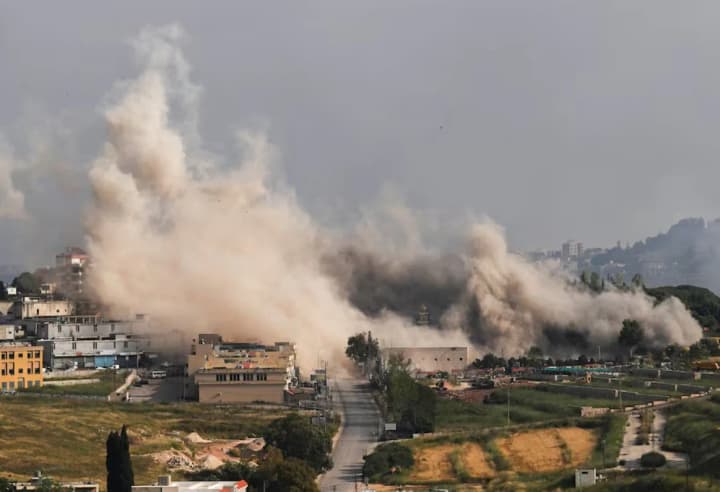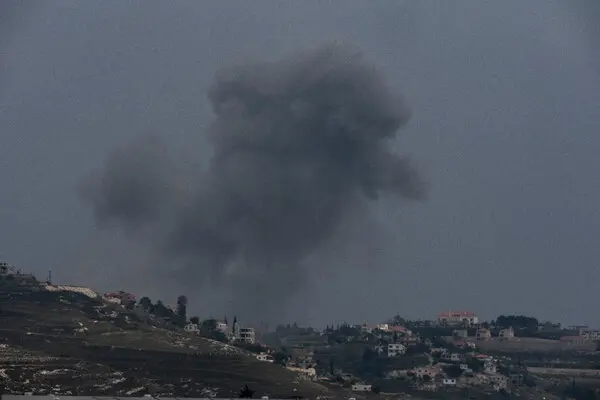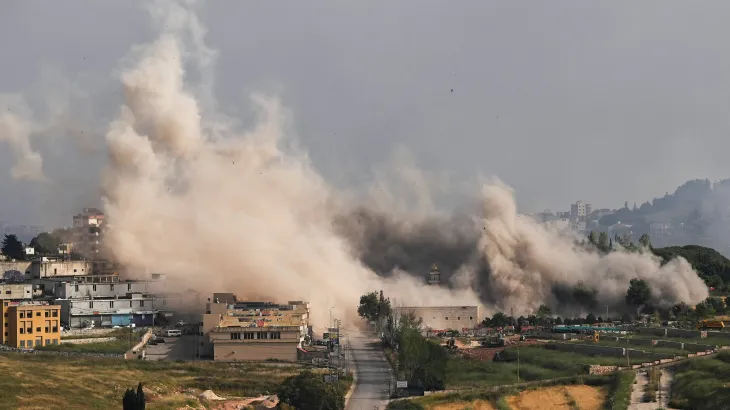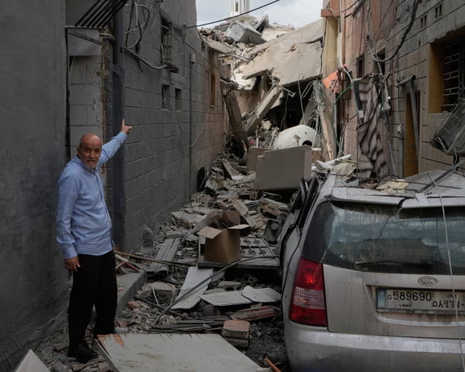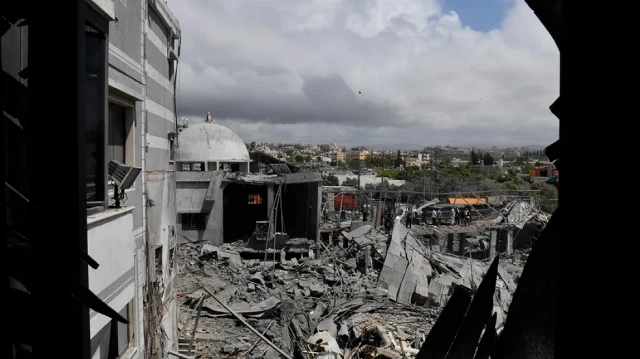
Eid al-Adha observances in southern Lebanon were significantly impacted by ongoing conflict and displacement, with residents of border villages reporting that Israeli attacks prevented traditional family gatherings. Thousands of people remained in school shelters during the holiday period, according to statements made to Anadolu Agency. Residents of southern Lebanon's border villages, speaking to Anadolu Agency, showed how ongoing Israeli attacks and mass displacement have effectively stripped Eid al-Adha of its traditional family gatherings, with countless individuals forced to remain in school shelters instead of their homes. Across the Arqoub region, located in Lebanon's Hasbaya district, continuing attacks and security concerns have profoundly altered daily life, effectively stripping Eid al-Adha of many of its familiar traditions and the communal joy typically associated with the holiday. The widespread atmosphere of insecurity has made traditional celebrations, including large family gatherings and community feasts, nearly impossible for many.
Displaced Families Seek Shelter Amidst Unrest
Residents of southern Lebanon's border villages, including Shebaa, Kfarhamam, and Marj al-Zouhour, observed Eid al-Adha on Saturday amidst widespread displacement and ongoing Israeli attacks. Many families have sought refuge in makeshift shelters, often in buildings not originally designed for long-term habitation. Schools across the region, which would typically be closed for the holiday, have been converted into emergency shelters, providing temporary refuge for those fleeing the violence. Nasreen Abdul Aal, 34, resides with her family in a school in Marj al-Zouhour that has been converted into an emergency shelter, noting the drastic measures families have taken to find safety. Abdul Aal stated, "families no longer gather, and children can no longer recognize the atmosphere of Eid," lamenting the loss of cherished traditions for the younger generation. Her family's situation is particularly challenging, as they have been displaced three times from Ain Arab village in the Marjayoun district due to the hostilities, showing the repeated disruptions to their lives.
Despite the challenging conditions and the constant threat of violence, some residents have chosen to remain in their homes, demonstrating remarkable resilience. Um Najib Fares, 60, has refused to leave her home in Kfarhamam, even with intensified nighttime airstrikes and shelling becoming a regular occurrence. Fares affirmed, "we remain in our homes despite everything," a testament to the deep attachment many feel to their ancestral lands. In Shebaa, 83-year-old Rasmiya Zoghbi was preparing traditional Eid cookies, a small act of defiance and an effort to maintain a sense of normalcy amid the conflict. Zoghbi expressed that "holidays should remain a time for goodness and prayers that families may one day return home," articulating a widespread hope for peace and the restoration of normal life. Mouad Rahhal, the Mayor of Kfarhamam, confirmed the steadfastness of his community, stating that approximately 110 families continue to reside in the town despite the difficult and dangerous conditions.
Escalating Attacks and Ceasefire Hopes Undermined
Israel has conducted an expanded offensive on Lebanon since March 2, leading to significant casualties and widespread displacement in the region. The human cost of this offensive has been devastating; nearly 3,200 people have been killed, and over 9,600 additional individuals have reportedly been injured. The ongoing conflict has also led to a substantial humanitarian crisis, displacing more than 1.6 million people within Lebanon. Many of these displaced individuals have sought refuge in temporary shelters, including the converted schools, straining local resources and humanitarian aid efforts.
A US-mediated ceasefire was implemented, offering a temporary halt to the hostilities and a glimmer of hope for affected communities. This initial ceasefire agreement, which took effect on April 17, was subsequently extended, with its terms now set to remain in effect until early July. This extension aims to provide a period of reduced conflict, allowing for some stability, though the long-term impact on the displaced population and the affected communities remains a primary concern for humanitarian organizations and local authorities. However, the Israeli army has continued its daily attacks in southern Lebanon despite this US-mediated ceasefire, undermining its effectiveness and prolonging the suffering of residents. The continued shelling and airstrikes contribute to the atmosphere of fear and uncertainty that has defined the Eid al-Adha period for many, making it difficult for families to plan or celebrate.
Holiday Traditions Interrupted by Displacement
Schools across the region have been converted into emergency shelters, housing families displaced by the ongoing conflict and preventing them from observing Eid al-Adha in their customary fashion. Nasreen Abdul Aal's family, for instance, has been displaced three times from Ain Arab village in the Marjayoun district due to the hostilities, illustrating the repeated uprooting experienced by many. Abdul Aal previously stated that "families no longer gather, and children can no longer recognize the atmosphere of Eid," reflecting the profound disruption to holiday traditions and the emotional toll on the youngest members of society. This sentiment is echoed across the border villages, where the sounds of shelling have replaced the festive sounds of Eid.
Despite challenging circumstances and the constant threat of violence, some residents have chosen to remain in their homes, demonstrating a deep connection to their land and heritage. Mouad Rahhal, Mayor of Kfarhamam, stated that approximately 110 families continue to reside in the town, navigating the daily dangers posed by the conflict. This persistence occurs even as the Israeli army has continued its daily attacks in southern Lebanon, despite a US-mediated ceasefire that took effect on April 17. The continued shelling and airstrikes contribute to the atmosphere of fear and uncertainty that has defined the Eid al-Adha period for many, making genuine celebration a distant memory for those living in the shadow of conflict. The humanitarian situation remains precarious, with displaced families facing uncertain futures and the prospect of a prolonged return to normalcy.