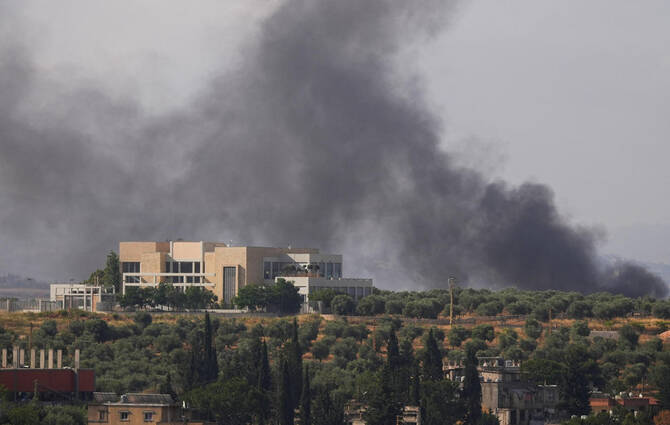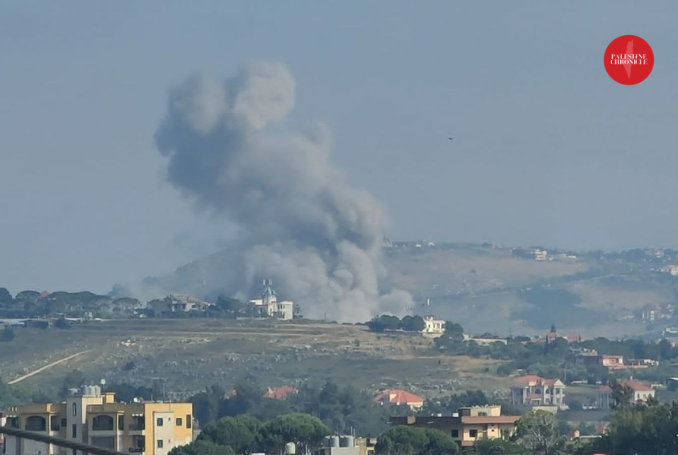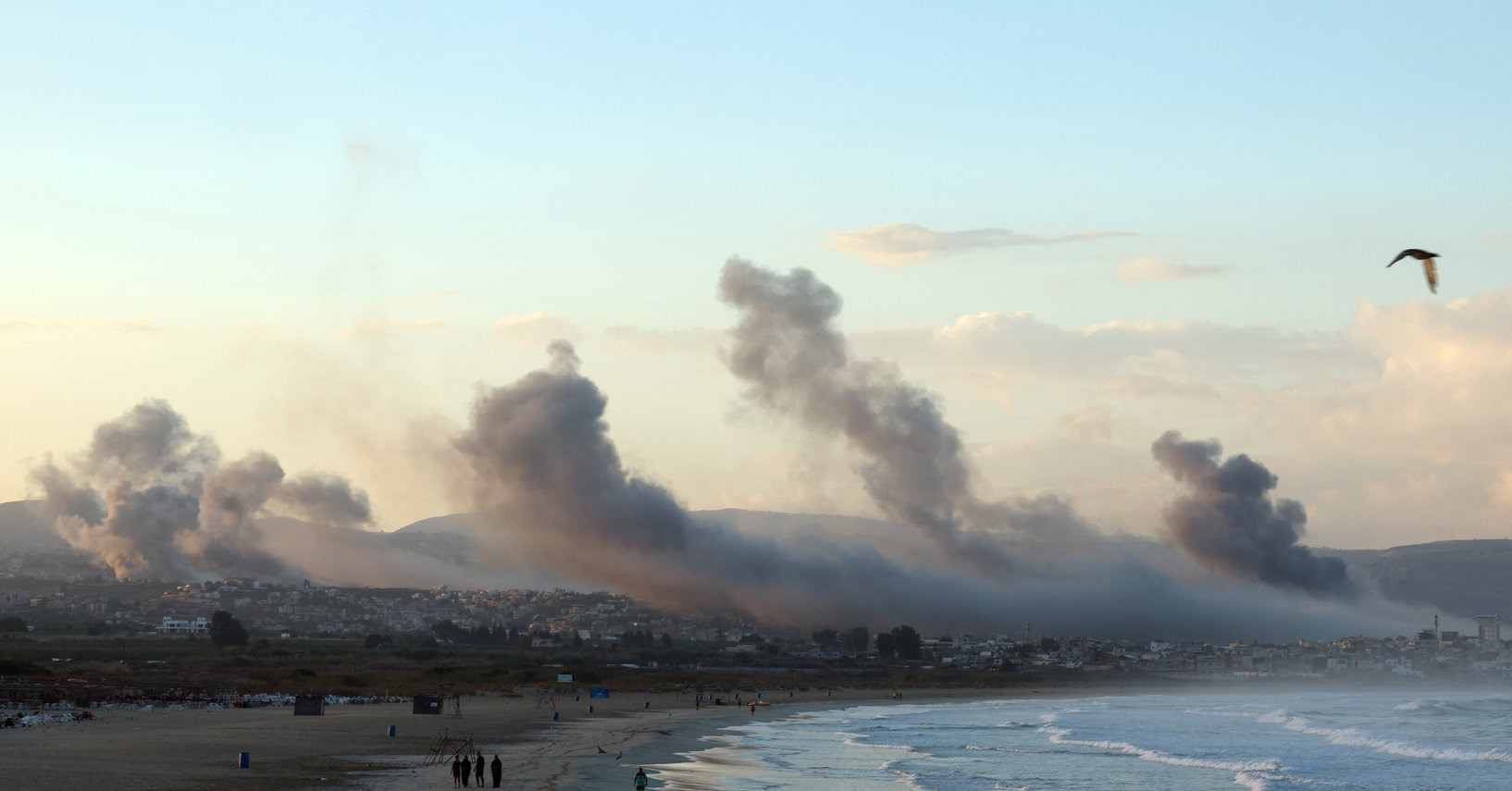
Israeli airstrikes and artillery shelling on Saturday killed at least four people across four districts in southern Lebanon, marking a significant escalation in the ongoing cross-border conflict. The intensified military actions resulted in casualties and widespread destruction in various communities. An airstrike on Maarakeh in Tyre district claimed one life, according to local reports, contributing to the grim toll. Another person was killed in Kfarreman in Nabatieh district during the bombardments, noting the broad impact of the Israeli operations. The mayor of al-Rayhan in Jezzine district was also killed in a separate strike, adding to the casualties from the Israeli military actions in the region and showing the severity of the attacks. These incidents collectively show the volatile situation gripping southern Lebanon, where civilian lives continue to be tragically impacted by the conflict.
Escalation on the Ground
The recent escalation involved a series of targeted attacks and widespread damage. A drone attack in al-Rayhan wounded an employee of Lebanon's electricity company, illustrating the risk faced by essential service workers in the conflict zone. Beyond individual casualties, the escalation also involved significant material damage, including demolitions in Khiam. The destruction of homes and government buildings in Bint Jbeil points to the extensive damage inflicted upon civilian infrastructure and public services. In a separate incident, a Lebanese soldier sustained serious injuries in an Israeli drone strike on the Kfarreman-Nabatieh road, further demonstrating the direct military engagement and its consequences for Lebanese forces. These events paint a picture of a rapidly deteriorating security situation, with both human and structural costs mounting.
In response to these Israeli actions, Hezbollah claimed strikes on Israeli military vehicles, equipment, and troop concentrations. These retaliatory attacks targeted Qantara, Zawtar al-Sharqiya, Majdal Zoun, and other areas, utilizing explosive drones and rockets to inflict damage. The group's actions show a tit-for-tat escalation pattern that has characterized much of the recent conflict. Israeli authorities reported two border incidents involving 'hostile aircraft' on their side, confirming the intensity of the cross-border exchanges. One aerial target fell near Margaliot, while another aerial target that had crossed from Lebanon was intercepted near Metula, indicating attempts by Hezbollah to penetrate Israeli airspace and target military or civilian areas. These incidents highlight the continuous and dangerous exchange of fire across the border.
Broader Conflict Toll
The human cost of the ongoing conflict has been substantial, as reported by health authorities and military sources. The Lebanese Health Ministry reported a cumulative toll of more than 3,711 dead and 11,483 wounded from the Israeli war since March 2, providing a stark overview of the extensive suffering endured by the Lebanese population. These figures reflect a wide range of injuries and fatalities, encompassing both combatants and civilians caught in the crossfire. Data from Israel indicates that 30 officers and soldiers have died, and 1,302 others have been wounded since fighting resumed in early March, illustrating the casualties sustained by the Israeli military in these confrontations. The previous day, Hezbollah conducted over 15 attacks targeting Israeli positions and military assets, demonstrating the group's consistent operational tempo and its commitment to responding to Israeli military actions. This ongoing exchange of hostilities has resulted in a significant and tragic loss of life and injuries on both sides of the border.
Evacuation Warnings Issued
Amidst the escalating violence, the Israeli army issued explicit warnings to residents in dozens of southern Lebanese towns, advising them to move north of the Zahrani River. This directive signals a potential expansion or intensification of military operations in the southern regions of Lebanon. The Zahrani River is a significant waterway located in southern Lebanon that flows into the Mediterranean Sea near Saida, serving as a natural geographical marker. The Israeli military's decision to use this river as a boundary for evacuation notes its strategic importance in their operational planning. Israeli forces further designated the Zahrani River as an evacuation boundary in 2026, a forward-looking declaration that suggests a long-term strategic posture. This designation included orders for civilians situated south of this line to evacuate their homes, indicating a clear intent to clear the area of non-combatants in anticipation of future military actions. The warnings have created widespread alarm and displacement among the affected Lebanese communities.
Hezbollah's Justification
Hezbollah launched drones and rockets into Israel, stating these actions were a direct response to Israeli 'ceasefire violations' and previous attacks on civilians. The group's leadership emphasized that their operations are not unprovoked, but rather a necessary reaction to what they perceive as breaches of existing understandings. The group indicated that its operations were a direct reaction to the Israeli military's activities in southern Lebanon, including the airstrikes and shelling that caused casualties and damage. These retaliatory strikes followed a series of Israeli bombardments and drone attacks that resulted in casualties and damage to infrastructure within Lebanese territory, providing the immediate context for Hezbollah's actions. Hezbollah's actions represent an escalation, which the group characterized as necessary given the perceived breaches of agreed-upon understandings and the ongoing Israeli military pressure on Lebanese soil. The group's statements aim to frame its military activities within a narrative of self-defense and deterrence against Israeli aggression.