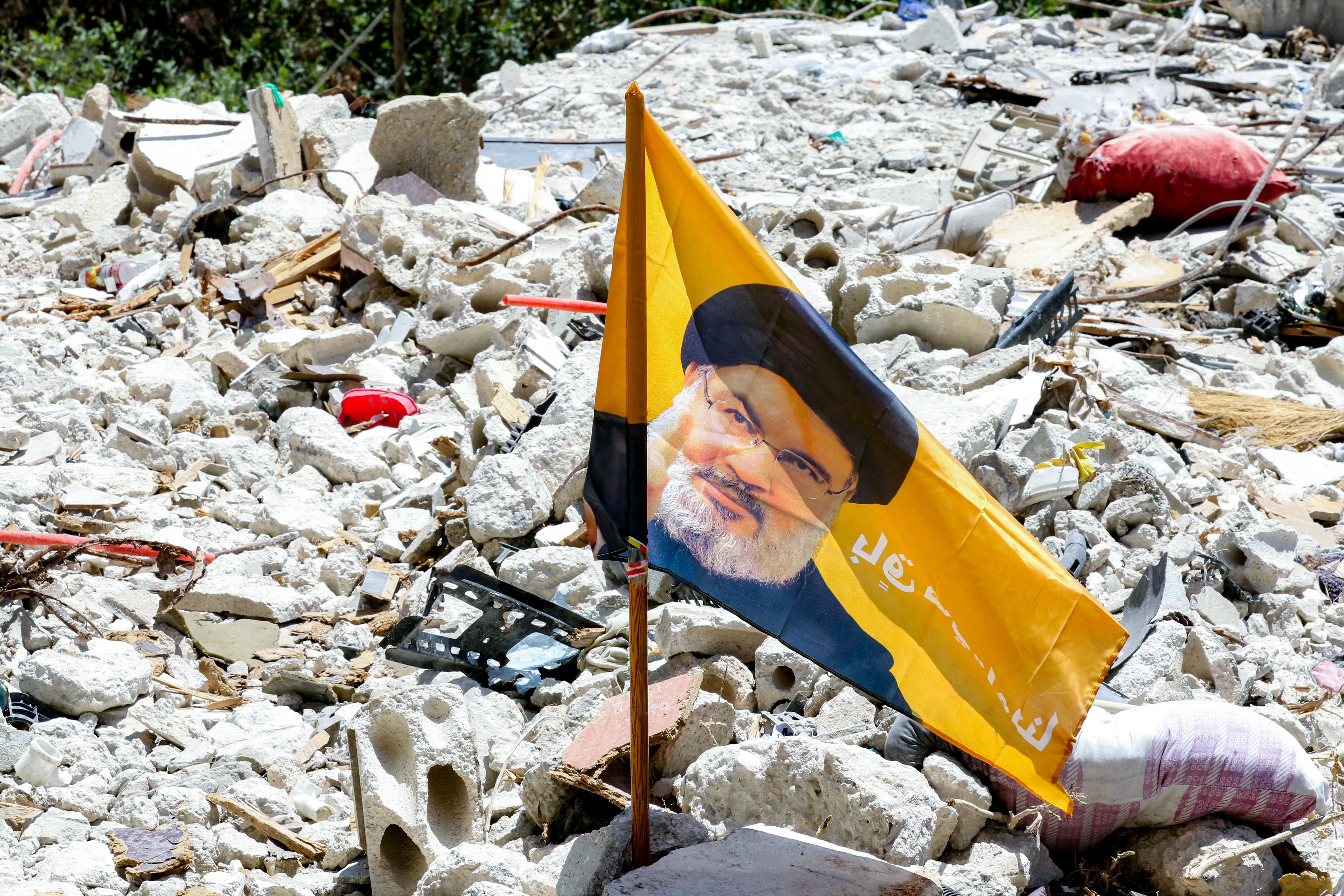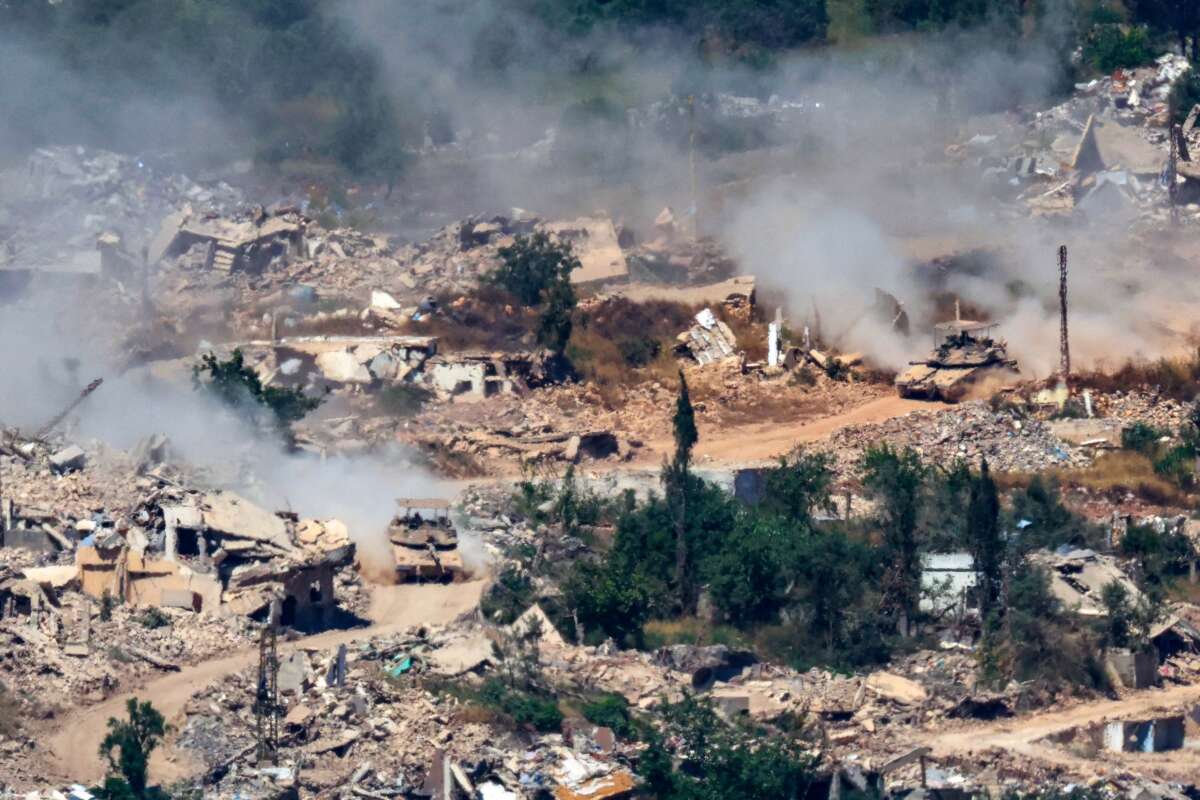
Six multinational construction companies are facing scrutiny for their alleged role in aiding and abetting war crimes in south Lebanon. According to human rights experts and analysis undertaken by The Guardian, these firms supplied Israel with excavators and bulldozers, which have been extensively used in the destruction of civilian infrastructure. The Guardian verified imagery showing excavators from the six companies – Caterpillar, Volvo, Hyundai, Doosan, Hitachi, and Komatsu – demolishing homes in various towns across south Lebanon. This verification process involved careful review of visual evidence, confirming the presence and use of specific machinery in destructive operations. Amnesty International stated in a new report that its imagery revealed a "full-scale clearing of almost all the municipalities along the border," painting a stark picture of the widespread devastation. Separately, The New York Times reported in May that Israel has razed more than two dozen Lebanese border towns and villages since its war on Lebanon began in March, noting the systematic nature of the demolitions.
This scrutiny comes amidst growing international concern over the methods and scale of destruction observed in the region. The potential involvement of multinational corporations in activities that may constitute war crimes raises significant questions about corporate responsibility and adherence to international humanitarian law. Human rights organizations are particularly focused on the supply chain of these heavy machinery vehicles and the knowledge or intent of the manufacturers regarding their ultimate use in conflict zones.
Evidence of Destruction
Photos and videos from April depict the Israeli military employing excavators manufactured by Caterpillar, Volvo, Hyundai, Doosan, Hitachi, and Komatsu to demolish homes, shops, solar panels, water infrastructure, and other buildings throughout south Lebanon. This visual evidence provides a critical foundation for the allegations of complicity. The Guardian reported that 46 towns and villages in Lebanon’s south have sustained heavy damage, a figure that shows the extensive nature of the destruction. Israel has "carried out extensive destruction" since its 2024 war on Lebanon, the publication stated, noting that while "previously, isolated structures and sections of villages may have been left intact," now "almost all of those have been levelled and the heavy destruction has expanded to municipalities further [from the border]." This shift indicates a potential change in operational tactics, moving from targeted strikes to more widespread demolition.
Haaretz documented that Israel destroyed or damaged more than 10,000 structures in south Lebanon during its 2024 war on Lebanon, adding that even more devastation has occurred in the ongoing conflict. This substantial number points to a deliberate and systematic campaign of destruction. Haaretz further observed that these demolitions persisted during "ceasefires," which functioned as unilateral periods during which Israel continued its destructive activities. During these periods, the Israeli military closely monitored and tracked these demolitions, suggesting a coordinated effort rather than isolated incidents. The continuation of demolitions during declared ceasefires raises serious questions about the intent behind such pauses in hostilities and the overall strategy employed by the Israeli military. The scale of destruction has led to significant displacement, with many residents unable to return to their homes or livelihoods.
The Supply Chain and Complicity
In April, Haaretz reported that Israel introduced dozens of heavy machinery vehicles, "including excavators operated by paid contractors," into south Lebanon. The publication noted that some of these workers were compensated based on the quantity of structures they destroyed, creating a direct financial incentive for demolition. Haaretz also indicated that some of these contractors had prior experience in Gaza, where they were involved in demolishing civilian structures, suggesting a pattern of similar operations in different conflict zones. This detail implies a transfer of tactics and personnel experienced in large-scale demolition. The involvement of paid contractors, rather than solely military personnel, adds another layer to the operational structure and potential accountability.
The destruction in Lebanon aligns with statements made by Israeli officials. In March, Israel's Defense Minister Israel Katz declared that "all houses in villages near the Lebanese border will be demolished according to the model of Rafah and Beit Hanoun in Gaza." This statement suggested a systematic approach to demolitions, mirroring actions taken in other conflict zones, particularly in the Gaza Strip. The observed activities in south Lebanon, involving contractors and heavy machinery, appear to implement this stated policy, providing a direct link between official declarations and on-the-ground actions. Such statements from high-ranking officials reinforce the argument that these demolitions are not incidental but are part of a broader, deliberate strategy. The comparison to Rafah and Beit Hanoun, areas that have seen extensive destruction, further emphasizes the potential severity of the operations in south Lebanon.
Legal and Human Rights Implications
Israel's destruction of villages in Lebanon could constitute wanton destruction, a war crime, according to Human Rights Watch. The organization also indicated that other likely war crimes carried out by Israel in Lebanon include forcible displacement and attacks deliberately targeting civilians. Wanton destruction, defined as destruction carried out without military necessity, is a grave breach of the Geneva Conventions. Some estimates indicate that 36,000 homes have been destroyed in south Lebanon alone, a staggering number that points to widespread devastation and a significant humanitarian crisis. This widespread destruction inevitably leads to mass displacement, exacerbating the suffering of the civilian population.
Businesses engaging in activities that contribute to serious international law violations in Lebanon, such as the widespread demolition of civilian property, may face legal repercussions. Mark Dummett, deputy program director and head of business, security and human rights at Amnesty International, stated, "Businesses carrying out activities that contribute to serious international law violations in Lebanon, such as the extensive destruction of civilian property, may expose themselves, or their individual directors and managers, to the risk of prosecution for complicity in war crimes." This warning shows the potential legal jeopardy for the multinational construction companies involved. Amnesty International's report specifically noted forced displacement, which the organization refers to as "unlawful transfer," defining it as another war crime. The report emphasizes that such transfers are prohibited under international humanitarian law, regardless of whether the displaced population is moved within or across international borders. The legal framework holds that companies have a responsibility to respect human rights throughout their operations and supply chains, and complicity in war crimes could lead to severe penalties and reputational damage. The ongoing investigations by human rights groups aim to establish the full extent of responsibility and ensure accountability for the alleged violations.