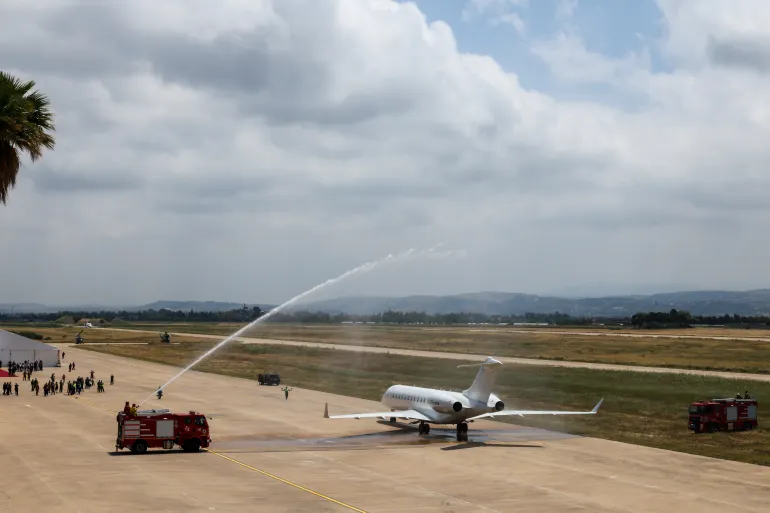
China has announced its intention to dispatch a new round of humanitarian aid to both Lebanon and Iran. The move signals Beijing's continued engagement in the region, providing assistance to countries facing various challenges. This aid package is part of China's broader diplomatic efforts, which also include discussions on its role in fostering regional peace. The specific details regarding the type and quantity of aid were not immediately disclosed, though the commitment shows China's growing presence in the Middle East. This initiative follows previous instances of Chinese support to nations in the region, reinforcing its role as a provider of humanitarian assistance.
Humanitarian Aid Details
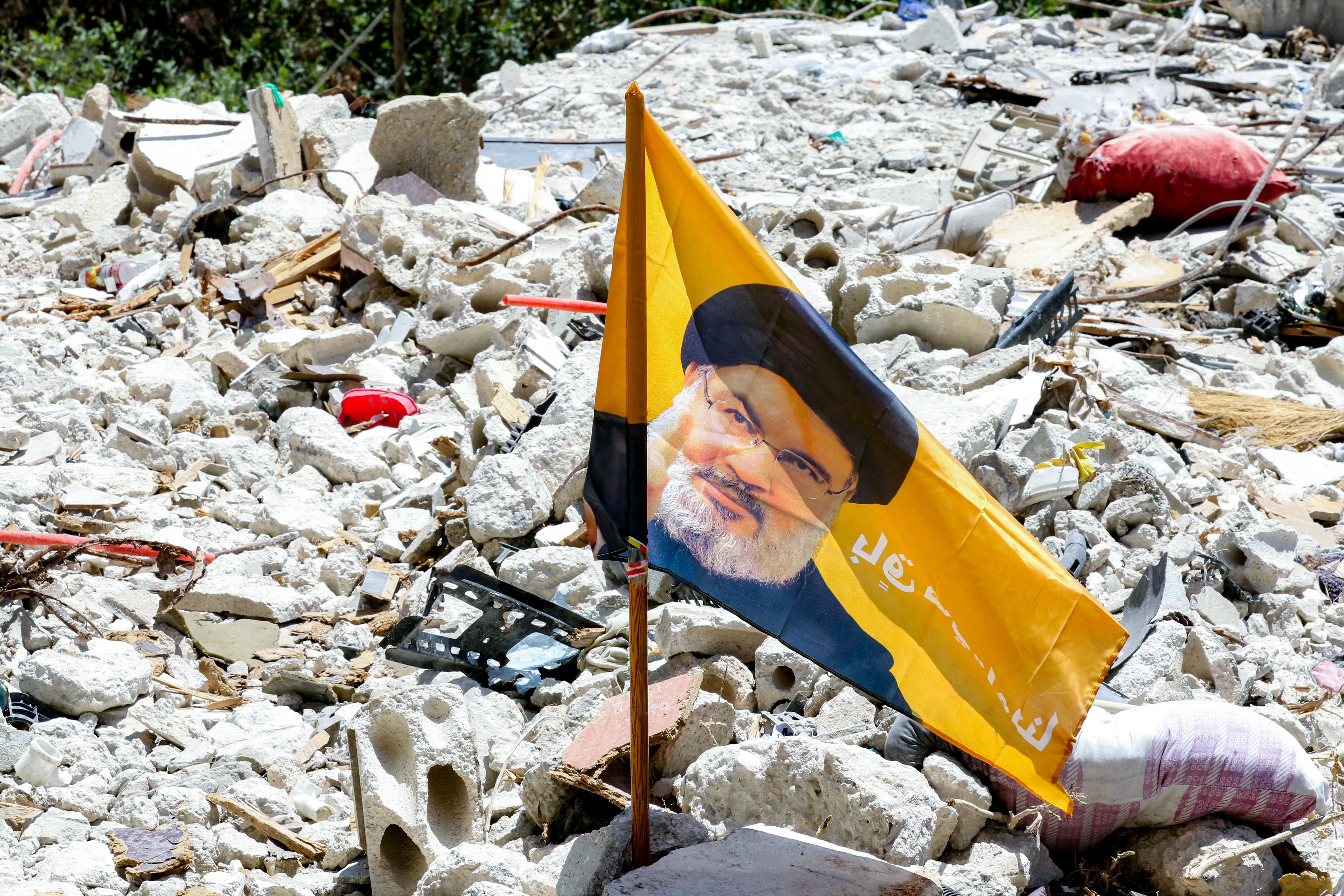
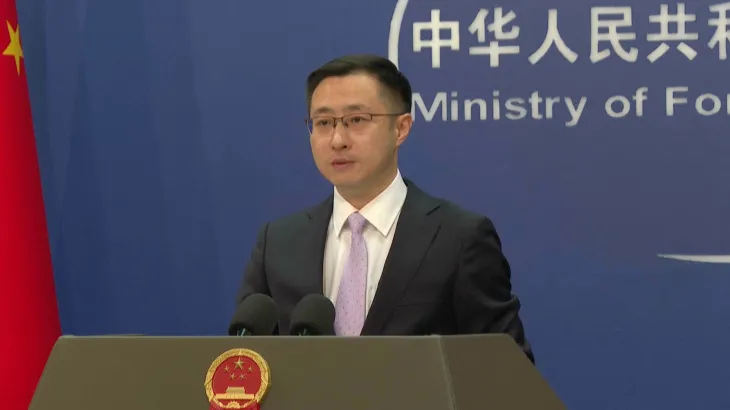
Beijing expressed profound concern regarding the humanitarian situation, with a foreign ministry spokesman stating the nation was "deeply saddened" by the humanitarian disaster unfolding in certain areas. This statement notes the impetus behind China's decision to send aid to Lebanon and Iran. The humanitarian assistance is intended to alleviate suffering and provide essential relief to populations affected by various crises. While the exact contents of the aid package remain unspecified, such initiatives typically include medical supplies, food, and other necessities. The foreign ministry spokesman's remarks show the severity of the situation that prompted Beijing's intervention, reflecting a compassionate stance on global humanitarian challenges. This commitment to providing aid is a tangible demonstration of China's diplomatic approach, combining practical assistance with broader geopolitical engagement.
Commitment to Regional Peace
China stated it would play an active role in fostering regional peace, indicating a broader diplomatic engagement strategy beyond humanitarian assistance. Beijing's commitment to this role suggests an expansion of its influence and involvement in Middle Eastern affairs. The emphasis on contributing to stability shows a strategic shift in China's foreign policy, positioning it as a significant diplomatic actor in the region. This declaration aligns with previous statements from Chinese officials regarding the nation's desire to promote de-escalation and dialogue among regional stakeholders. The initiative represents a concerted effort by China to project its diplomatic capabilities and contribute to conflict resolution in areas of geopolitical importance. This active role in fostering regional peace notes China's ambition to be seen not just as an economic power, but also as a responsible stakeholder in global security, particularly in volatile regions.
Official Statements
Beijing has expressed its commitment to fostering regional peace and stability, particularly in the Middle East. Officials from China have indicated that the nation intends to play an active and constructive role in diplomatic efforts aimed at de-escalation and conflict resolution. This stance builds upon China's ongoing engagement in the region, which includes providing humanitarian aid to countries like Lebanon and Iran. The government has emphasized its desire to promote dialogue among regional stakeholders, positioning itself as a significant diplomatic actor. This overarching strategy reflects China's expanding influence and its aim to contribute to a stable geopolitical environment. These statements are consistent with China's long-term foreign policy goals of promoting multilateralism and peaceful development, asserting its presence through diplomatic means rather than military intervention. The repeated emphasis on dialogue and de-escalation points to a strategy focused on fostering consensus and reducing tensions.
Broader Implications
China's expanded role in the Middle East, encompassing humanitarian aid to Lebanon and Iran alongside a declared commitment to regional peace, signals a strategic shift in its foreign policy. Beijing's initiatives could lead to increased diplomatic engagement and influence in an area traditionally dominated by other global powers. This approach suggests China aims to position itself as a significant actor in promoting stability and resolving conflicts, complementing its economic ties. The provision of aid and emphasis on peace show a broader effort to enhance its international standing and contribute to a more multipolar global order. This strategic pivot could reshape regional dynamics, offering an alternative diplomatic partner for Middle Eastern nations. China's consistent engagement through both aid and peace initiatives reflects a deliberate and sustained effort to deepen its relationships and establish a more prominent role on the world stage.