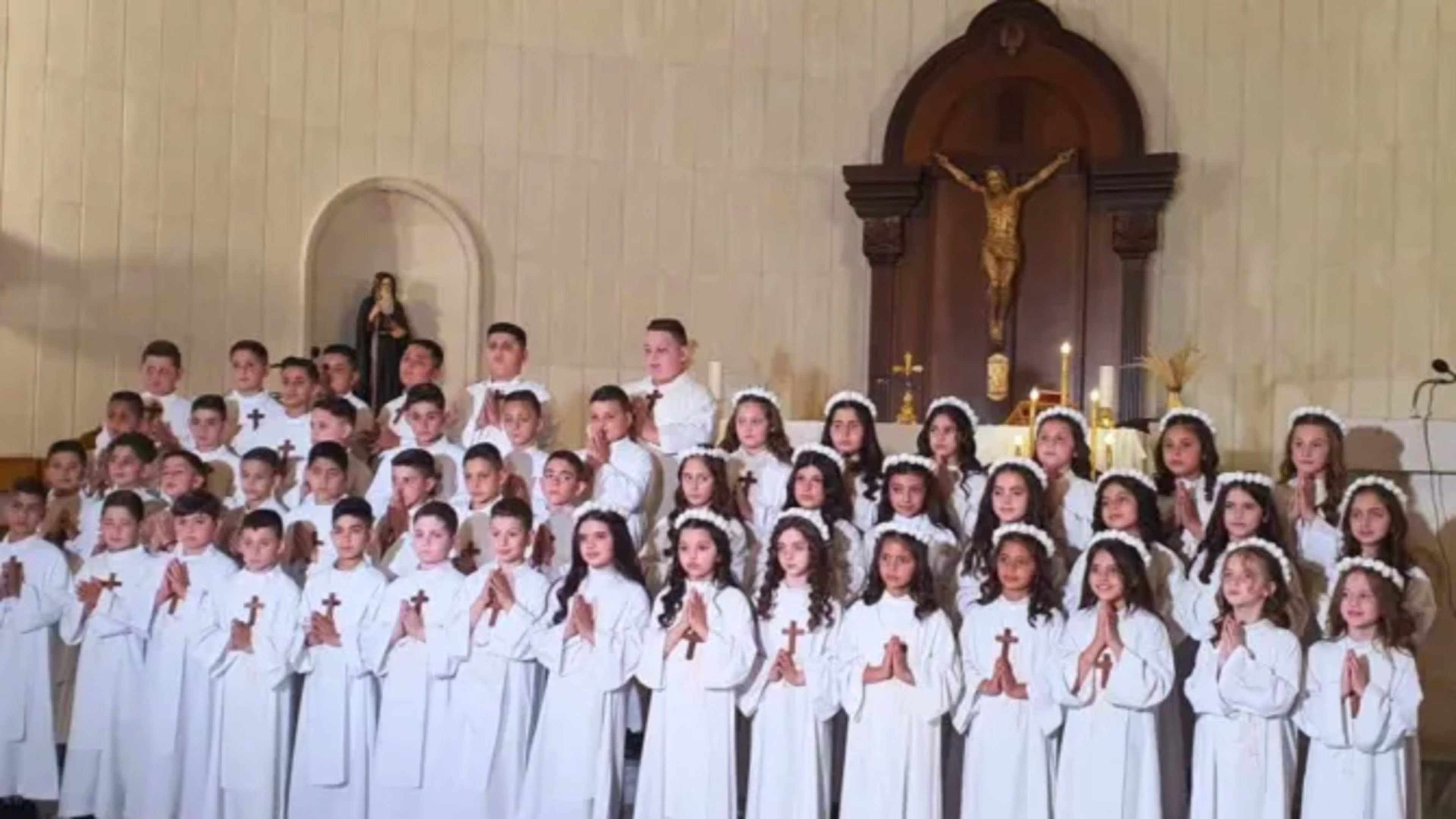
More than 50 children celebrated their first Communion in Rmeish, a town in southern Lebanon, on May 31, 2026. The religious ceremony took place amidst ongoing conflict in the region, casting a somber yet resilient tone over the significant event. The children, dressed in white, participated in the Catholic sacrament, marking a significant milestone in their faith journey despite the challenging circumstances surrounding their community. The event brought together families and members of the local Christian population in Rmeish, which is located near the border with Israel. The celebration proceeded as residents continue to contend with the impact of the conflict on daily life in southern Lebanon, a reality that has profoundly shaped community activities and personal milestones. The ceremony, a beacon of hope and continuity, noted the community's determination to maintain its traditions even under duress.
Rockets Strike Near Village
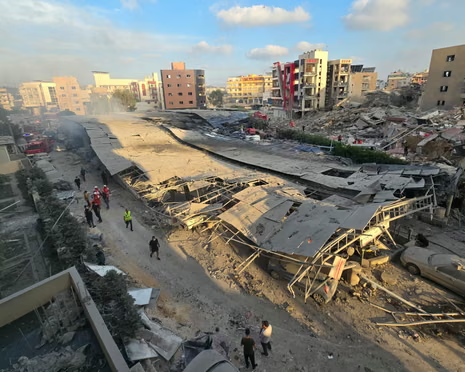
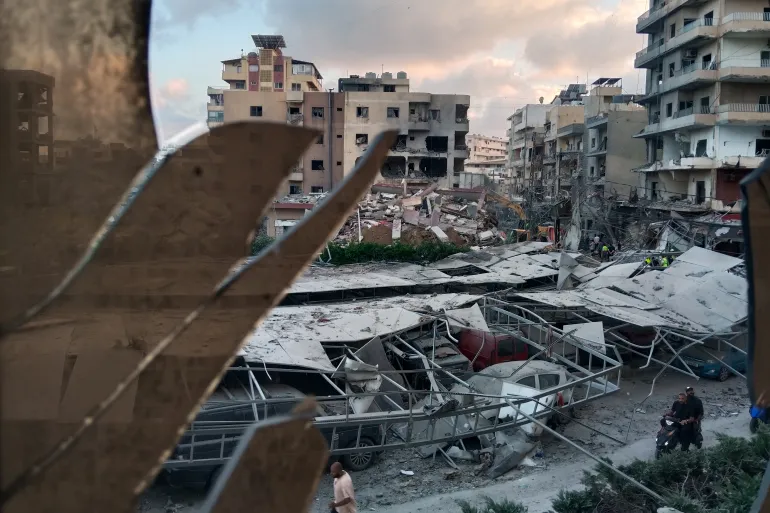
A missile struck between inhabited homes in Rmeish on Sunday morning, May 31, 2026, the same day the First Communion ceremony was held. The incident occurred in the southern Lebanese village, which has experienced renewed tensions and frequent shelling in recent months. This particular strike landed in close proximity to residential areas, showing the constant threat faced by the civilian population.
Rockets have again impacted Rmeish, injuring one person and causing a car to catch fire. These recent events add to the ongoing concerns of residents in the border community, who live under the shadow of persistent hostilities. The injury to a civilian and the destruction of private property serve as stark reminders of the immediate dangers posed by the conflict. The repeated targeting of areas within the village has led to widespread anxiety and disruption for its inhabitants, forcing them to adapt their daily routines to the unpredictable nature of the confrontations.
Life Under Constant Threat
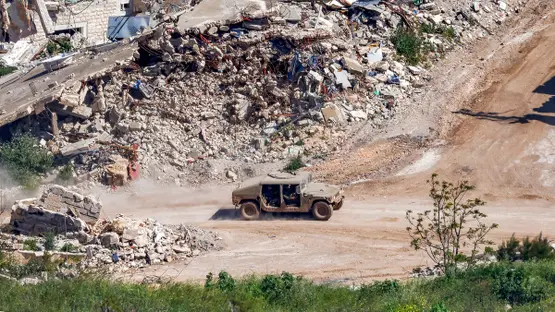
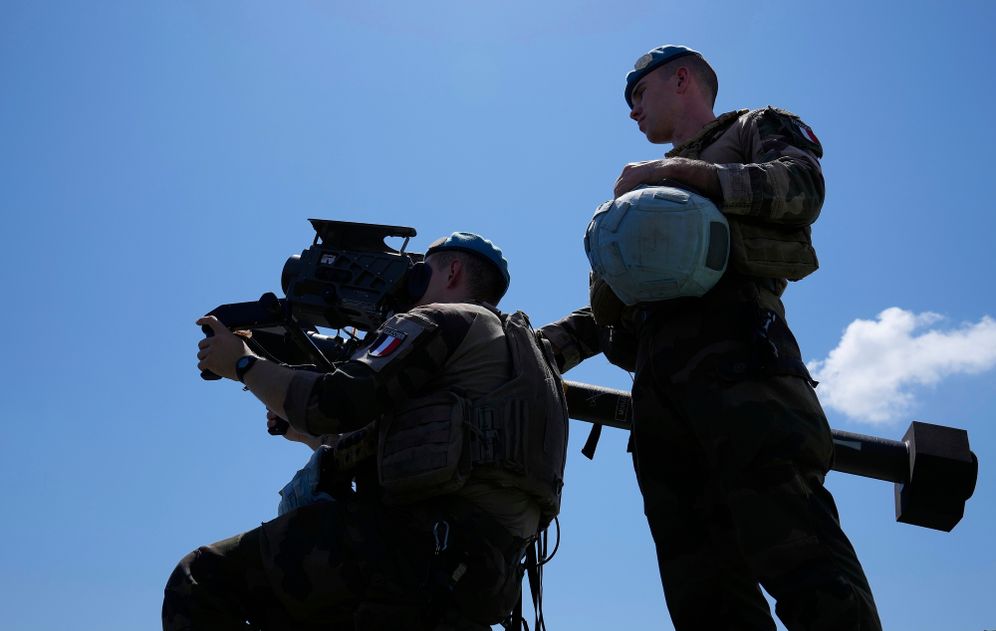
Villagers in Rmeish have effectively been living in a state of war since October 8, 2023. The southern Lebanese village has not experienced a genuine ceasefire at any point during this period, according to residents, meaning that periods of calm are often brief and unpredictable. This continuous state of alert has deeply affected the psychological and social fabric of the community. Rmeish contains no military forces, armed groups, or weapons, despite its proximity to the border area where conflict has been ongoing. The absence of military presence within the village further notes the impact of the wider regional tensions on the civilian population, as they are caught in hostilities not of their making. Residents have continued to navigate daily life under these conditions, with intermittent incidents affecting the community without any direct involvement in military operations. The consistent threat has become a widespread element of their existence, influencing daily routines and community resilience. The village's status as a non-military zone, repeatedly affirmed by its inhabitants, shows the challenges faced by civilians caught in the crossfire of regional hostilities, struggling to maintain a semblance of normalcy.
Broader Regional Conflict
Hezbollah launched rockets toward Israeli forces in the town of Dibbin on Friday, June 1, 2026. Several Hezbollah rockets also landed in residential and civilian areas of Marjayoun, a neighboring town, causing significant damage and fear among the population. One rocket struck the Greek Orthodox Church of St. George, damaging parts of the church, a historical and religious landmark for the community. Another rocket landed within the grounds of the Sacred Hearts Secondary School, resulting in extensive destruction to educational facilities. These incidents occurred amidst the broader regional conflict affecting southern Lebanon, illustrating the ongoing challenges faced by communities in the border areas. The strikes highlight the persistent tensions and the severe impact on civilian infrastructure and daily life in the region, extending beyond the immediate conflict zones to affect places of worship and education. The targeting of civilian structures, including a church and a school, shows the indiscriminate nature of the conflict's reach and its profound consequences for the populace.
Resilience and Faith
The parish priest insisted on holding the first Communion ceremony despite requests for postponement from some members of the community, who were concerned about the prevailing security situation. His decision reflected a commitment to maintaining spiritual life and tradition even in the face of adversity. The celebration was scaled back considerably, with no large festivities, and was limited to family homes to ensure the safety of the participants. The number of participating children was also lower than in previous years, reflecting the challenging conditions in Rmeish and the displacement or concerns of many families. This scaled-down but determined observance showed the community's resilience and its reliance on faith as a source of strength during prolonged periods of conflict. The ceremony, though modest, served as a powerful symbol of continuity and hope for the children and their families in Rmeish.