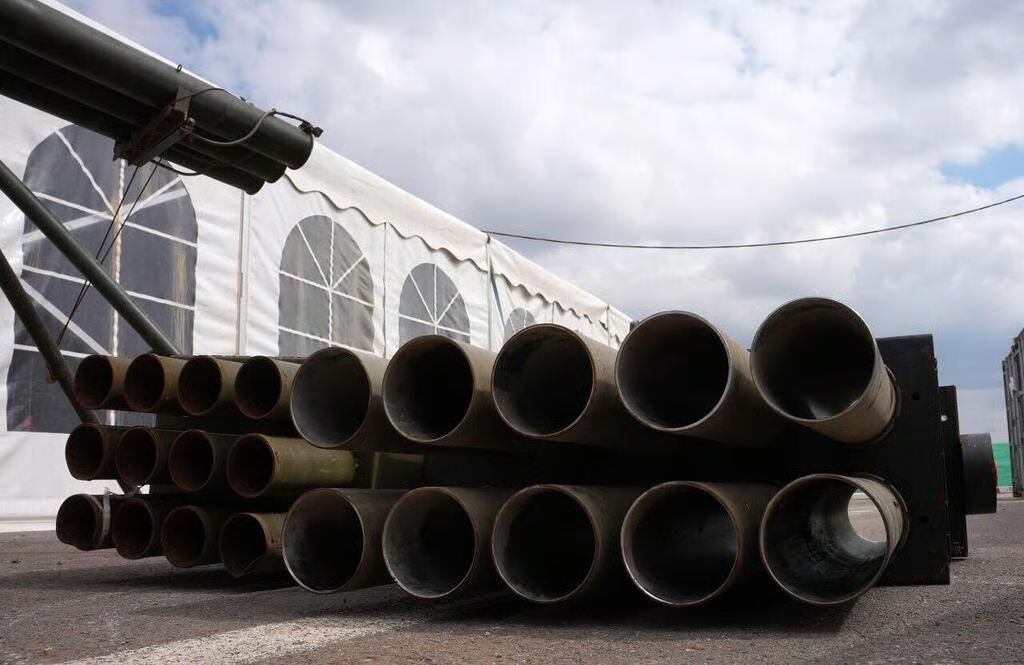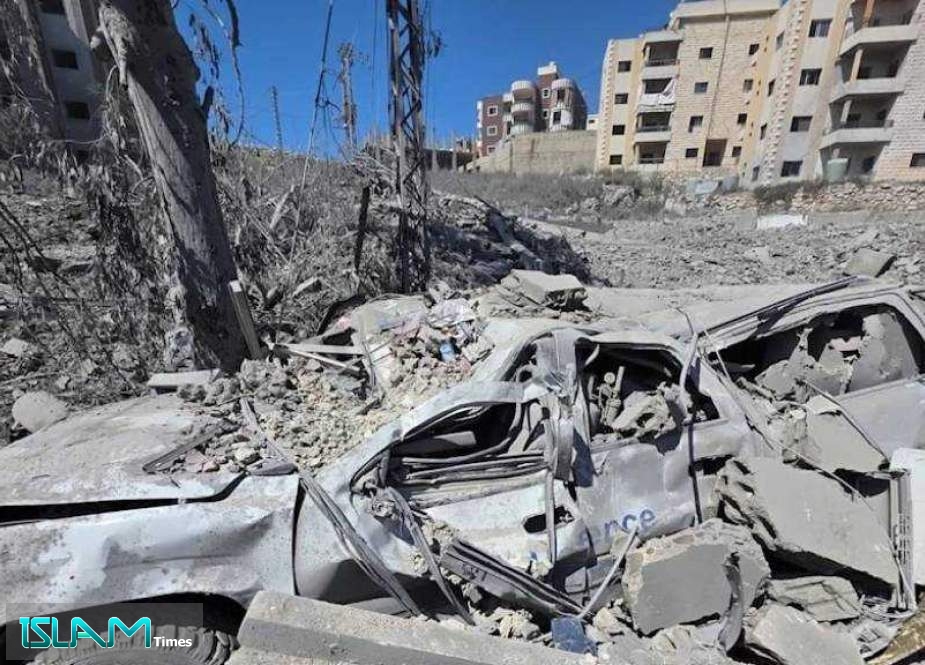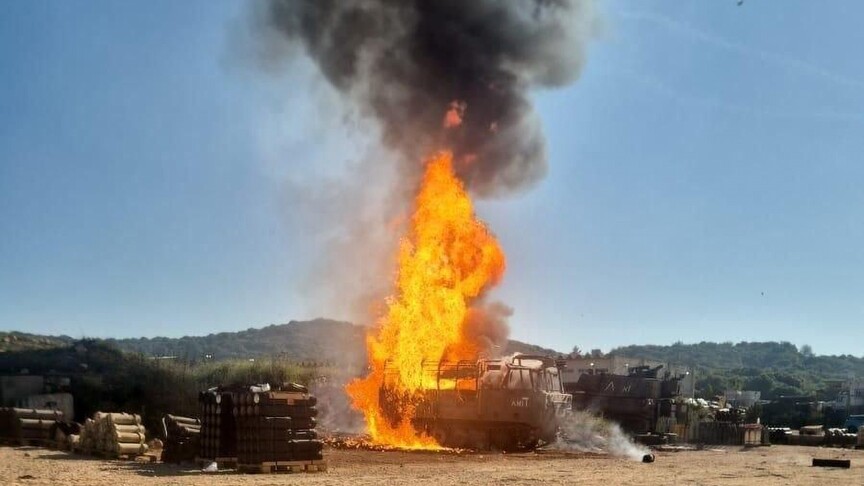
Air raid sirens sounded in several cities across northern Israel on Friday following shelling from Lebanon, prompting immediate responses from Israeli defense forces and local authorities. The sirens were activated in numerous communities, creating a sense of urgency among residents as the threat of incoming projectiles became apparent. An Israeli military statement confirmed that "a number of launches were detected toward Israeli territory" after the sirens were activated, indicating a direct threat originating from Lebanese territory. The Israeli Air Force, maintaining a vigilant posture, successfully intercepted one launch, demonstrating the capabilities of the nation's air defense systems. The additional launches that were detected fell in open areas, fortunately resulting in no direct impact on populated zones or infrastructure. No injuries were reported in connection with these specific incidents of launches falling in open areas. However, a woman in her 60s sustained light injuries from a separate strike in Nahariya, noting the varied nature of the threats faced by border communities. Additionally, another individual received treatment for anxiety at the scene, showing the psychological impact such events have on the civilian population. The series of events on Friday served as a stark reminder of the volatile security situation along the northern border.
Escalation on Northern Front
The incidents on Friday occurred within a broader context of heightened tensions, as a fragile truce is in place with the Lebanese militant group Hezbollah. This truce, often tested, shows the delicate balance of power and the constant potential for escalation in the region. Air raid sirens continued to sound across northern Israel on Monday, indicating ongoing activity and a persistent threat that keeps communities on edge. The repeated activation of these warning systems signals a sustained period of concern for residents in the affected areas. The city of Nahariya experienced a direct strike, with one impact hitting a residential building, causing structural damage and immediate concern for the safety of its occupants. This direct hit on a civilian structure represents a significant escalation in the nature of the attacks. Following the incident in Nahariya, fire and rescue officials expressed concern over a possible gas leak, which could have posed an additional severe hazard to the area and required immediate attention from emergency services. The consistent threat of rocket and drone activity has led to a state of heightened alert in communities situated along the Lebanese border, necessitating continuous vigilance and preparedness from both military and civilian entities.
Israeli Military Operations in Lebanon
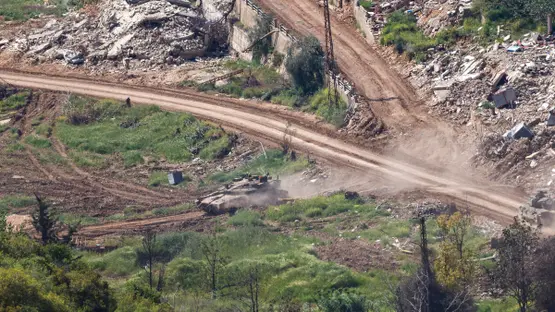
In response to ongoing threats and to proactively address security concerns, the Israeli military reported a major escalation in its operations in Lebanon. These operations are part of a concerted effort to neutralize threats originating from Lebanese territory and protect Israeli citizens. During one such operation, reports indicated that two soldiers sustained moderate wounds and six others were lightly wounded after an explosive drone struck an area in southern Lebanon. The use of explosive drones represents a sophisticated and dangerous method of attack, posing a significant risk to military personnel. The wounded soldiers were promptly evacuated to a hospital for medical treatment, where they received the necessary care for their injuries. This incident notes the inherent dangers faced by military personnel operating in a highly volatile environment.
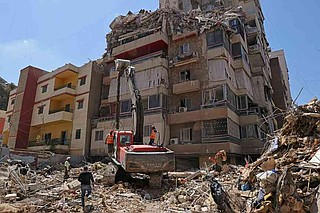
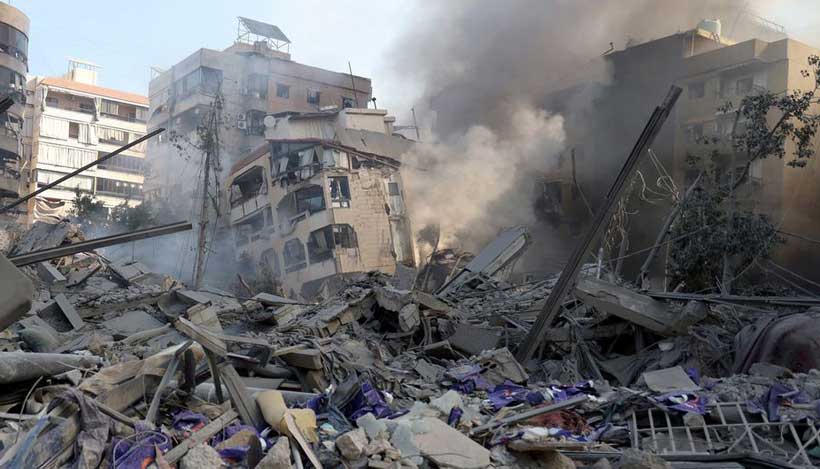
The Israel Defense Forces (IDF) stated that its large-scale strike in Lebanon last week, code-named "Eternal Darkness," achieved significant objectives. This extensive operation resulted in the deaths of more than 250 Hezbollah operatives, including several senior commanders, severely impacting the organization's operational capabilities. Among those killed was Hassan Mustafa Nasser, identified as a senior logistics commander responsible for weapons smuggling and storage in Lebanon, and a key figure in the group’s reconstruction efforts, according to intelligence reports. Nasser's elimination is considered a substantial blow to Hezbollah's logistical infrastructure and its ability to resupply and rebuild.
The impact of "Eternal Darkness" extended beyond logistics. Several senior intelligence commanders were also killed during the operation, officials said, including individuals involved in building target banks against Israel and collecting key intelligence data. These commanders played a key role in Hezbollah's strategic planning and its ability to gather information for future operations. The loss of such key personnel is expected to disrupt the group's intelligence gathering and target acquisition processes significantly. A senior missile unit deputy commander was reportedly killed during the operation as well, further degrading Hezbollah's missile capabilities and command structure. An Israeli intelligence official stated that the operation struck dozens of command sites within a very short time span, demonstrating precise and overwhelming force. "Within a single minute, we hit dozens of command headquarters and eliminated hundreds of operatives," the official said, emphasizing the speed and effectiveness of the coordinated strike. "This is a strategic and broad impact across all dimensions of the organization’s capabilities," the official concluded, indicating the full nature of the damage inflicted on Hezbollah's infrastructure and leadership. The successful execution of "Eternal Darkness" shows Israel's determination to counter threats emanating from Lebanon and its capacity to conduct large-scale, impactful military operations.
Broader Context and Warnings
The ongoing security challenges along the northern border necessitate continuous vigilance and strong warning systems for civilian populations. Emergency alerts were activated in multiple communities situated near the Lebanese border, reflecting the persistent threat of cross-border attacks. Among the affected areas were Kiryat Shmona and its surrounding vicinities, where residents experienced the activation of these warning systems on several occasions. The sounding of these sirens serves as a critical, immediate warning, prompting residents to take necessary precautions. During this period, residents were explicitly instructed to remain within protected spaces, such as bomb shelters or reinforced rooms, to ensure their safety from incoming projectiles. These instructions were issued in response to repeated warnings concerning potential rocket and drone activity in the region, which has become a recurrent feature of the security landscape. The constant need for residents to seek shelter disrupts daily life and shows the precarious situation in northern Israel. The Israeli military and local authorities continue to monitor the border closely, adapting their defense strategies and public safety protocols to the evolving nature of the threats. The resilience of the communities in northern Israel, facing these ongoing challenges, remains a testament to their fortitude amidst the persistent security concerns. The government and defense establishment reiterate their commitment to protecting these communities and responding decisively to any acts of aggression from across the border.