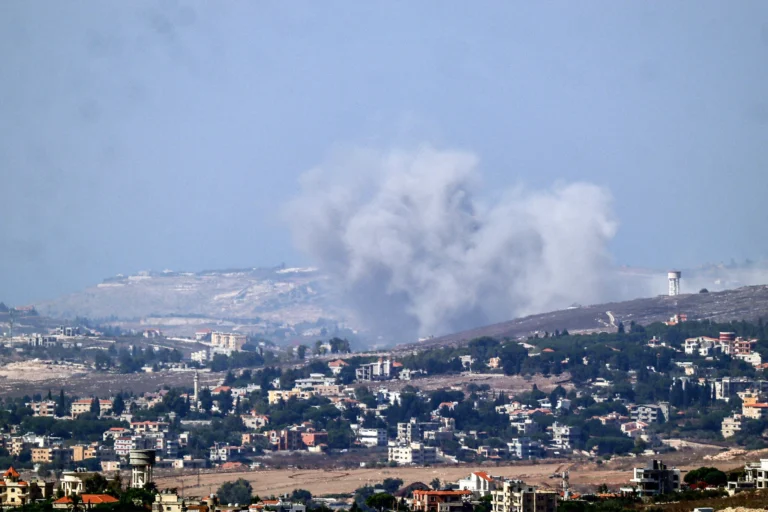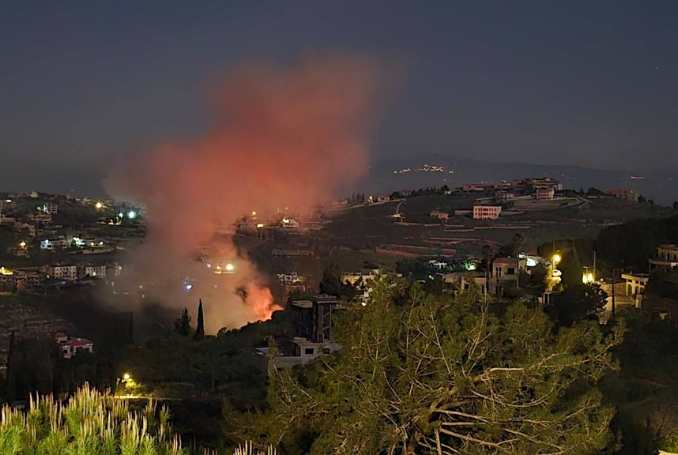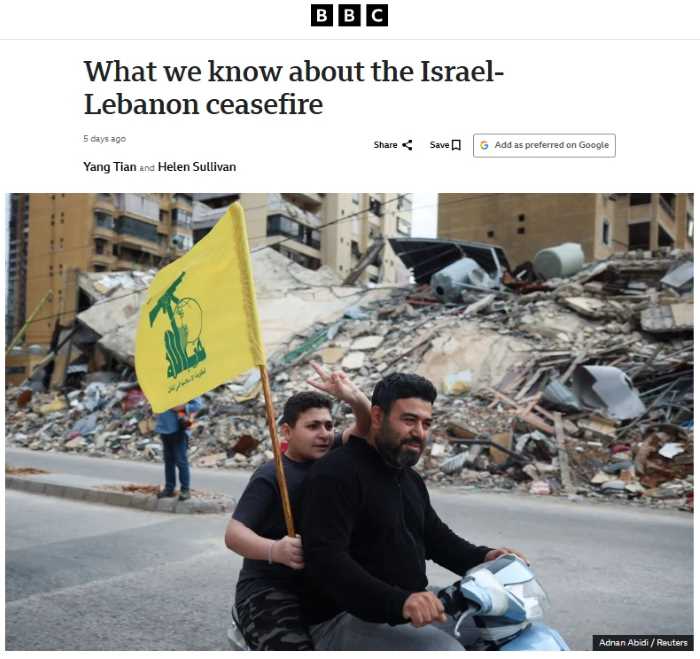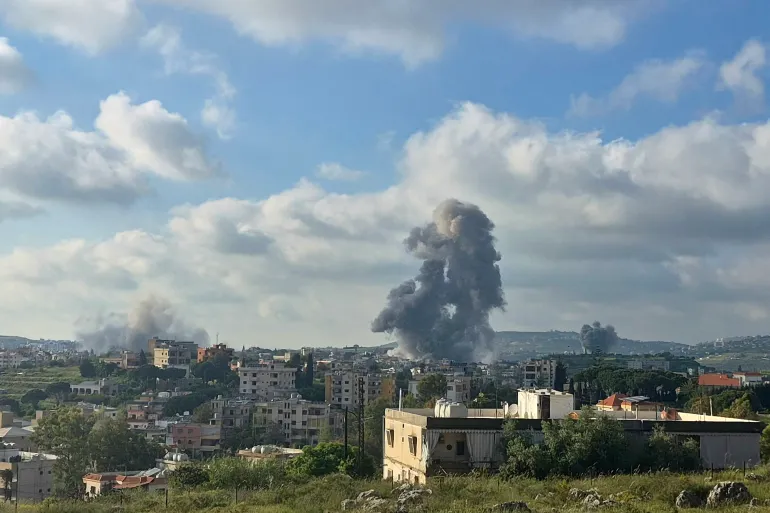
At least 12 people, including one child, were killed in southern Lebanon amidst an ongoing United States-brokered ceasefire agreement. The casualties occurred in various incidents across the southern region. Four additional individuals were reported killed in attacks near the Lebanese cities of Tyre and Nabatieh, further noting the volatile situation. The deaths occurred as Israel issued a forced evacuation order to residents in Habboush on Friday, preceding military actions in the area. A US-brokered ceasefire, initially announced on April 17, has been extended until May 17, showing diplomatic efforts to de-escalate tensions. The casualties in southern Lebanon occurred despite the operational ceasefire, raising concerns about its effectiveness on the ground.
Escalation Despite Truce
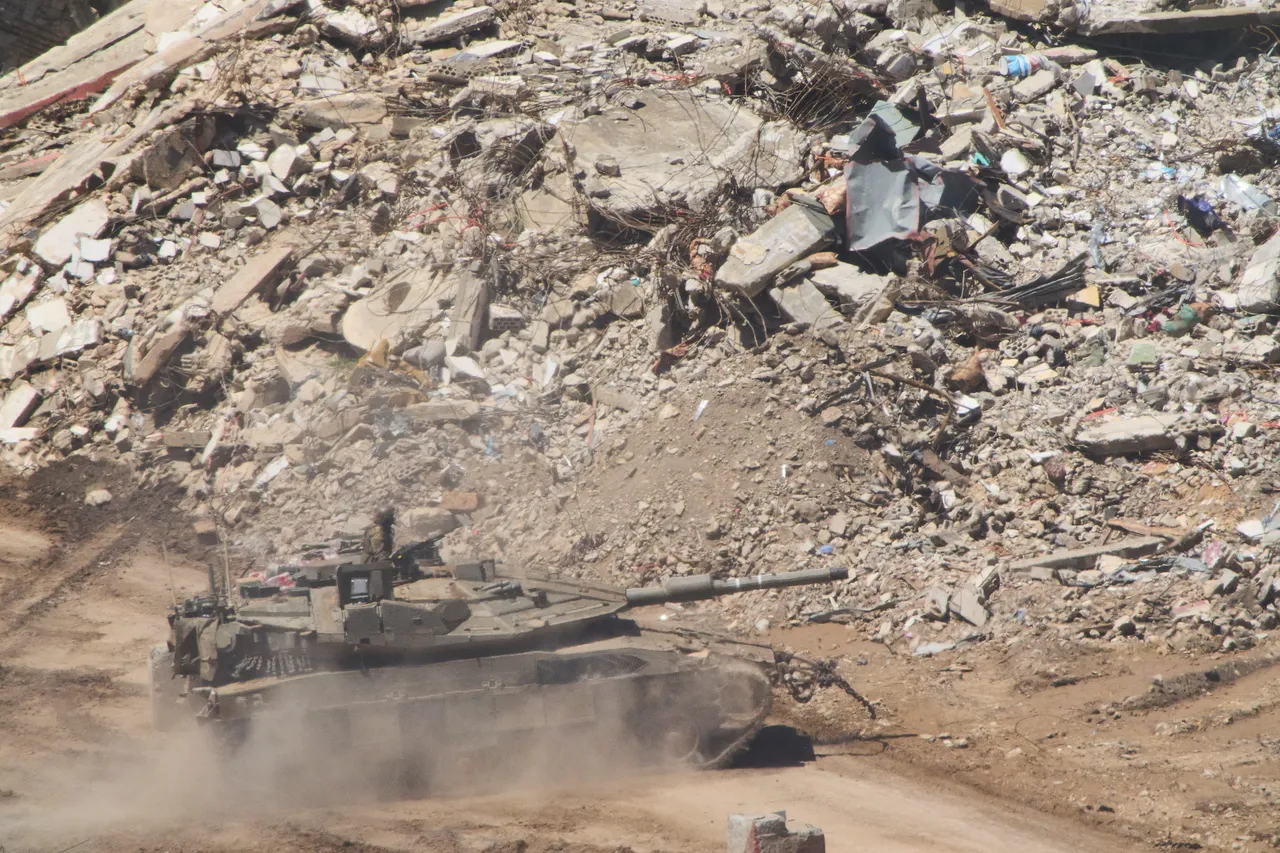
Israeli forces killed at least eight people in Habboush, located in the Nabatieh district, on Friday. This military operation in Habboush also included significant destruction, with the demolition of houses, a convent, and a school on the same day. The scale of the destruction has drawn considerable attention to the ongoing conflict. Israel had also attacked the town a day earlier without issuing any prior warning to residents, which has been a point of contention and concern for humanitarian organizations. At least eight others were wounded in Habboush during these attacks, among them another child and a woman, showing the severe human toll on the civilian population.
Hezbollah resumed attacks against Israel on March 2. This resurgence of hostilities followed the killing of Iranian Supreme Leader Ayatollah Ali Khamenei, an act attributed to the United States and Israel. The renewed aggression from Hezbollah adds another layer of complexity to the ongoing situation in Southern Lebanon, even as a ceasefire is officially in effect. The actions in Habboush contribute to the rising death toll in the region despite diplomatic efforts to maintain a cessation of hostilities. The continued military operations in areas like Habboush indicate a persistent state of conflict despite the broader ceasefire agreement.
Hezbollah's Response and Claims
Israel claims its attacks primarily target the pro-Iran Lebanese group Hezbollah, yet a significant proportion of those killed in the recent clashes have been civilians. This disparity between stated targets and actual casualties has been a recurring point of criticism. Hezbollah has continued its attacks against Israeli forces and vehicles within Lebanon, maintaining military operations despite the broader ceasefire. The group stated it targeted a Merkava tank and other vehicles, in addition to soldiers located in Sour, demonstrating its continued operational capability and intent. These actions by Hezbollah occurred in areas Israel continues to occupy in southern Lebanon, a territory it refers to as a buffer zone. The ongoing engagements highlight persistent tensions in the region and the complex territorial disputes that fuel the conflict. The continued presence of Israeli forces in these areas and Hezbollah's responses contribute to a cycle of violence that is difficult to break.
Broader Conflict Context
Israel and Hezbollah initiated attacks against each other following Israel’s military campaign in Gaza in October 2023. This conflict intensified significantly in September 2024, when Israeli operations led to the death of Hezbollah's leader, Hassan Nasrallah, marking a major escalation. A ceasefire was subsequently established in November 2024, aiming to halt the hostilities. However, Israel has been accused of violating it more than 10,000 times since its implementation, casting serious doubt on the effectiveness and adherence to the agreement.
The recent casualties contribute to a broader pattern of violence in the region, indicating that the ceasefire has not brought a complete cessation of hostilities. At least 28 individuals were reported killed in Lebanon on Thursday alone, illustrating the daily impact of the conflict. According to data from Lebanon’s Ministry of Public Health’s Emergency Operations Center, the total death toll has reached 2,618 people, with an additional 8,094 wounded since the renewed hostilities commenced on March 2. These figures paint a stark picture of the human cost of the ongoing conflict and the challenges faced by medical and humanitarian organizations in the region. The persistent violence continues to destabilize the area, despite international efforts to broker and maintain peace.
On-the-Ground Impact
At least eight individuals were also wounded in Habboush, among them a child and a woman, following the recent attacks. These injuries highlight the immediate and devastating impact of military actions on civilian populations. Habboush is situated north of the Litani River, a geographical detail that places the village outside of what Israel has previously designated as a buffer zone. This geographic location further complicates the justification for military operations in the area, as it falls beyond previously defined security perimeters. The casualties and destruction in Habboush show the immediate human cost of the ongoing military operations in southern Lebanon and the challenges in protecting civilians in conflict zones. The repeated attacks and the resulting civilian casualties continue to fuel humanitarian concerns and calls for a more strong and respected ceasefire.