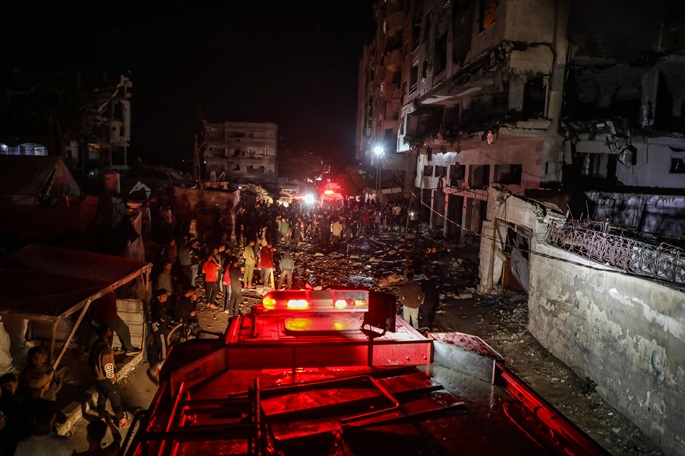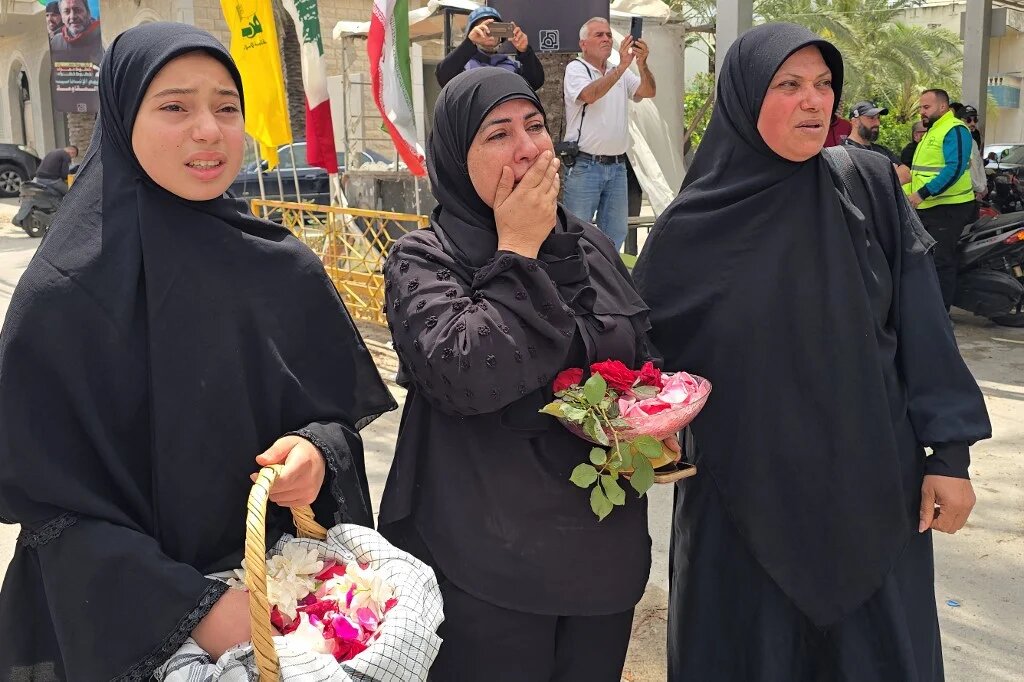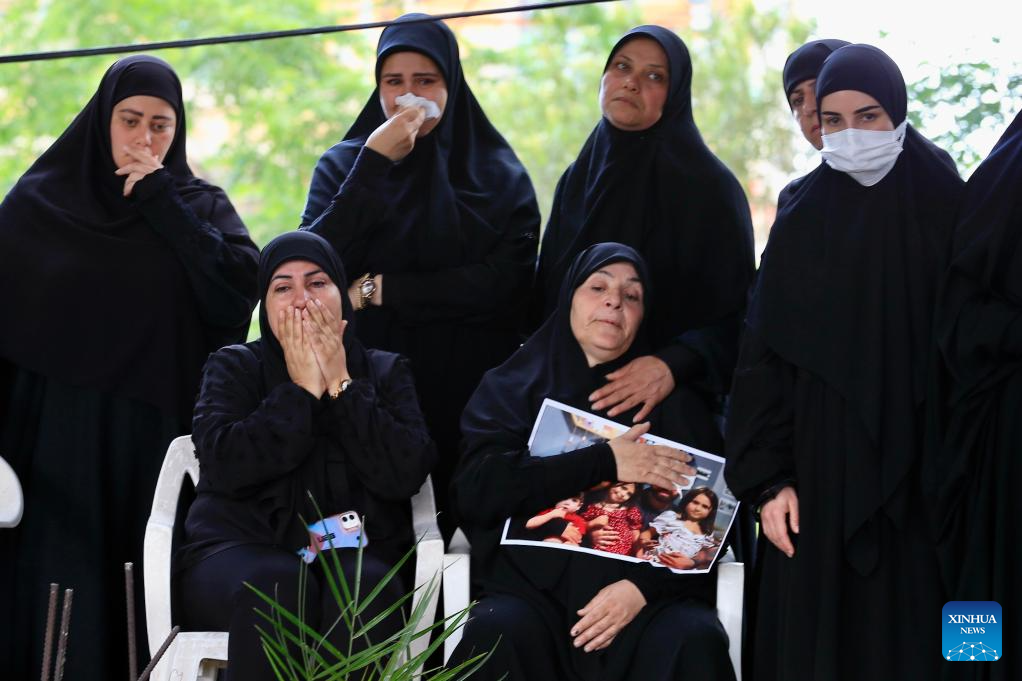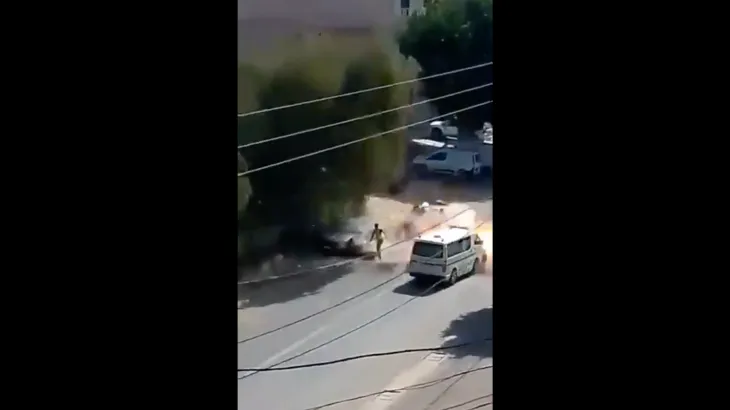
A video depicts an Israeli air strike targeting paramedics as they responded to a prior attack in southern Lebanon. The footage, which has circulated widely, shows the strike occurring while the rescuers were on scene, reportedly assisting victims of an earlier incident. This visual evidence has intensified concerns regarding the conduct of military operations in civilian areas. The incident has drawn significant attention due to the direct targeting of emergency personnel, a violation of international humanitarian law.
Details of the Attack
Two rescuers and a child were killed in Deir Qanoun al-Nahr. Lebanese media reported that this incident was a second strike, specifically targeting emergency crews as they were treating casualties from an initial attack in the same location. The reports detailed how the rescuers had arrived to provide aid following the first strike when they themselves became targets. This sequence of events, where a follow-up attack specifically targets first responders, is particularly alarming. The child was also caught in the second strike, tragically losing their life amidst the chaos. The precise circumstances of the child's presence at the scene are under investigation, but their death shows the indiscriminate nature of such attacks. The names of the victims have not yet been widely released, pending further details from local authorities.
Context of Escalation
The incident in Deir Qanoun al-Nahr occurred amid ongoing hostilities in southern Lebanon. This region has experienced a series of strikes and counter-strikes involving Israeli forces and groups operating within Lebanon. The continued exchange of fire has frequently resulted in civilian casualties and damage to infrastructure, creating a perilous environment for residents. Responding to such incidents has become a hazardous undertaking for emergency services, as illustrated by the recent events where paramedics became direct targets. The broader context involves an elevated state of tension along the border, characterized by military operations from both sides. These actions have led to concerns about humanitarian access and the safety of non-combatants in affected areas, with local communities bearing the brunt of the violence. The situation remains volatile, with international bodies calling for de-escalation to prevent further loss of life and regional instability. The persistent cycle of violence exacerbates an already fragile humanitarian situation.
International Condemnation
The attack in Deir Qanoun al-Nahr, southern Lebanon, drew immediate criticism from various international bodies and governments. Many expressed deep concern over the reported targeting of rescuers and the death of a child during humanitarian operations. Officials called for a thorough investigation into the incident, emphasizing the protection of civilians and emergency personnel under international law. The deliberate targeting of medical workers and emergency responders is widely considered a grave breach of international conventions. There were widespread appeals for de-escalation of hostilities in Lebanon to prevent further loss of innocent lives and ensure humanitarian access to affected populations. Several nations reiterated the importance of adhering to international humanitarian law during armed conflicts, stressing the imperative to distinguish between combatants and non-combatants. The international community's unified stance notes the severity of the alleged violation.
Broader Implications
The strike in Deir Qanoun al-Nahr shows the increasing peril faced by humanitarian workers operating in conflict zones. The incident notes the challenges of ensuring the safety of non-combatants and emergency responders, particularly in southern Lebanon, where hostilities have intensified. Such events raise significant questions regarding adherence to international humanitarian law, which mandates the protection of medical personnel and civilians during armed conflict. The targeting of rescuers, as reported, could further complicate humanitarian efforts and restrict access to affected populations, as aid organizations may be forced to reassess their operational risks. Maintaining clear distinctions between combatants and non-combatants, and respecting the neutrality of humanitarian aid, remains a critical international concern amid ongoing regional tensions. The long-term impact on the willingness of aid workers to operate in such high-risk environments could be profound, exacerbating humanitarian crises.