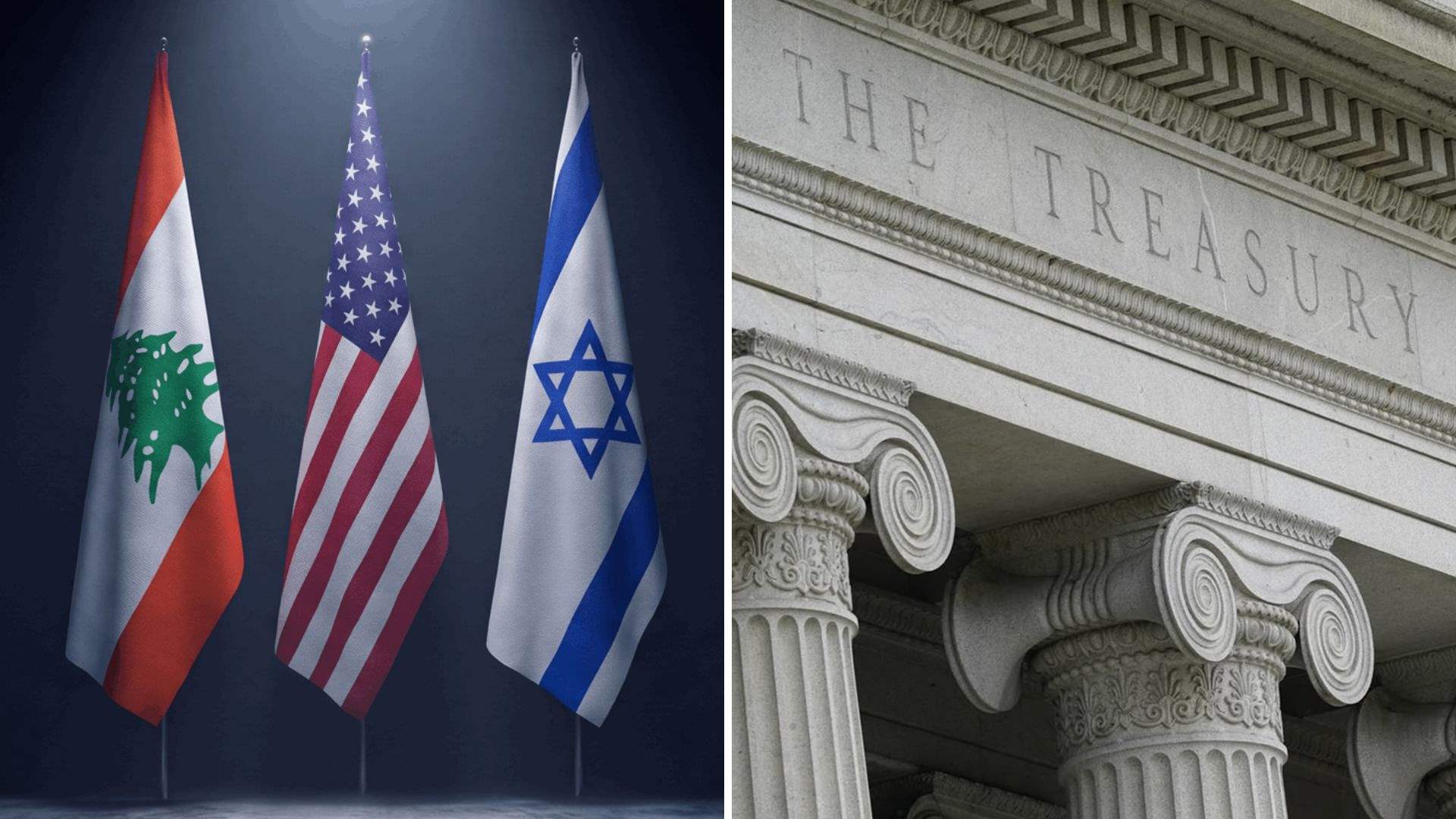
The U.S. Administration imposed sanctions on nine individuals this week, targeting Lebanese officials for the first time, in an effort to exert pressure on Lebanon. This strategic move by the U.S. Administration is expected to intensify the already complex political landscape in the Middle East. The sanctions are specifically linked to alleged obstruction of the peace process between Lebanon and Israel, as well as hindering the disarmament of Hezbollah. The inclusion of Lebanese security officials on the sanctions list marks a significant shift, signaling an expanded focus by Washington in its approach to regional stability. This development indicates a widening of the U.S. Administration's net beyond traditional political figures. The U.S. Administration intends the sanctions to deliver a clear message to Lebanon's president and army commander. This message urges them to implement commitments concerning Hezbollah’s disarmament and the broader extension of state authority across Lebanese territory, aiming to bolster the sovereignty of the Lebanese state.
Key Figures Sanctioned
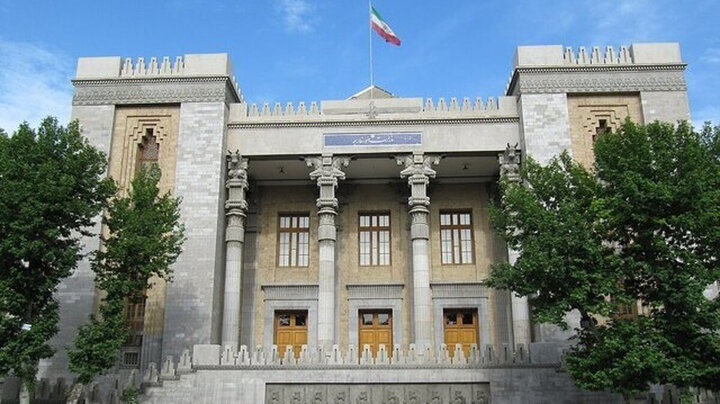
The U.S. Sanctions list includes Iranian Ambassador Mohammad Reza Sheibani, marking a significant diplomatic inclusion and noting the perceived Iranian influence in Lebanese affairs. Additionally, three Hezbollah Members of Parliament were named: Ibrahim al-Moussawi, Hassan Fadlallah, and Hussein al-Hajj Hassan. Their inclusion shows the U.S. Administration's determination to target the political arm of Hezbollah. Former minister Mohamed Fanich also appears on the list of sanctioned individuals, further demonstrating the breadth of the U.S. Action against those perceived to be enabling or supporting Hezbollah.
Two figures associated with Parliament Speaker Nabih Berri, Ahmad Baalbaki and Ahmad Safawi, have also been sanctioned. These individuals are key operatives within the Amal Movement, a powerful Shiite political party and militia in Lebanon. Ahmad Baalbaki serves as the head of preparation and guidance within the Amal Movement’s executive body across Lebanon, indicating a high level of organizational responsibility. Ahmad Safawi, meanwhile, oversees preparation for the Amal Movement in southern Lebanon, a region with significant strategic importance due to its proximity to the Israeli border. Baalbaki and Safawi are accused of coordinating with Hezbollah and receiving instructions concerning attacks against Israel through joint operations involving both Hezbollah and the Amal Movement. This accusation points to an alleged operational synergy between the two groups.
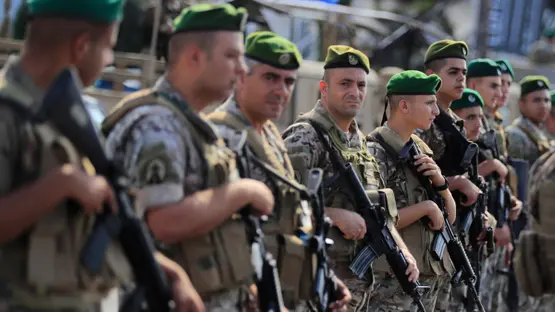
For the first time, two Shiite officers from Lebanese Army Intelligence and General Security were added to the sanctions list, signifying a notable escalation in U.S. Pressure. Colonel Samir Hamadi, who serves as the head of Army Intelligence in Beirut’s southern suburbs, is among those sanctioned. His position in a Hezbollah stronghold makes his inclusion particularly impactful. Brigadier General Khattar Nasser Eldin, head of the analysis department at General Security, was also included, indicating a focus on intelligence-sharing networks. These two officers are accused of sharing intelligence with Hezbollah, according to U.S. Officials, which, if true, would represent a serious breach of state neutrality and security protocols.
Underlying Motivations
The recent U.S. Sanctions aimed to convey a message to Parliament Speaker Nabih Berri, suggesting that American patience had been exhausted, according to claims associated with the decision. This message is a direct signal to one of Lebanon's most influential political figures. The expectation, as outlined by these claims, is that Mr. Berri will ultimately consent to direct negotiations with Israel. It is anticipated that he will support the repeal of the existing law that currently criminalizes contact with Israel, particularly when such a matter reaches the Lebanese parliament for consideration. This demand for legislative change notes a broader U.S. Objective to normalize relations between Lebanon and Israel.
U.S. Officials also claimed that the sanctions targeted specific Hezbollah figures and their communication channels that facilitate interaction with the Lebanese state. This aspect of the sanctions reportedly seeks to disrupt the group's ability to influence state institutions and decision-making processes, thereby weakening its grip on national governance. The inclusion of individuals associated with both Hezbollah and the Amal Movement, such as Ahmad Baalbaki and Ahmad Safawi, shows this purported focus on communication and coordination networks. The U.S. Treasury stated that Mr. Baalbaki and Mr. Safawi were accused of coordinating with Hezbollah and receiving instructions for attacks against Israel through joint operations, reinforcing the idea that these channels are perceived as enabling hostile actions. This strategic targeting aims to isolate Hezbollah from its perceived allies within the state apparatus.
The expanded scope of the sanctions, which for the first time included Lebanese security officers like Colonel Samir Hamadi and Brigadier General Khattar Nasser Eldin, further illustrates the U.S. Administration's intent to pressure all entities perceived as enabling Hezbollah. These officers were accused by U.S. Officials of sharing intelligence with Hezbollah, a critical allegation that challenges the impartiality of state security forces. The action aims to reinforce the message that the U.S. Expects Lebanese officials to prioritize state authority and disarm non-state actors, thereby asserting the state's monopoly on force. This move is seen as a deliberate attempt to strengthen the Lebanese state's institutions against the influence of non-state actors.
Official Responses and Interpretations
The U.S. Treasury's decision regarding the sanctions had not been officially communicated to the leadership of the Lebanese army or General Security through formal channels, according to reports. This lack of formal communication has raised questions about the diplomatic protocols surrounding the sanctions. The Lebanese army subsequently stated that all its officers and personnel carry out their duties professionally and responsibly. This assertion came amid reports of U.S. Sanctions targeting specific individuals within Lebanese security forces, serving as a public affirmation of their commitment to national service. The army's statement aimed to reassure the public and international partners of its institutional integrity.
General Security also stressed its neutrality and integrity in performing its duties, a statement that shows the institutions' efforts to maintain public trust despite the external pressures. This emphasis on neutrality is key for an institution responsible for national security and intelligence. Both the army and General Security are key state institutions in Lebanon, and their public responses reflect an attempt to uphold their standing and credibility in the face of U.S. Allegations. These statements are critical for maintaining internal stability and projecting an image of professionalism.
The Amal Movement and Hezbollah, which form an alliance, interpret the U.S. Actions differently than the U.S. Administration's stated goals. The alliance views the U.S. Sanctions as an attempt to stir internal discord within Lebanon, suggesting a deliberate strategy to destabilize the country. The Amal-Hezbollah alliance believes the sanctions are intended to provoke the Shiite community in the country, potentially leading to increased sectarian tensions. This interpretation suggests a perception that the U.S. Is deliberately trying to create divisions rather than address specific individuals' alleged actions, framing the sanctions as a broader attack on their community and political base.