The United States imposed sanctions on nine individuals on May 22, 2026, targeting those linked to Hezbollah. This significant action by the U.S. Government comes amid ongoing discussions regarding Lebanon's political and economic stability, particularly as diplomatic efforts continue in Washington and the broader Middle East. The sanctions aim to counter the alleged illicit financial activities and influence of the Iran-backed group.
Targeted Individuals Identified
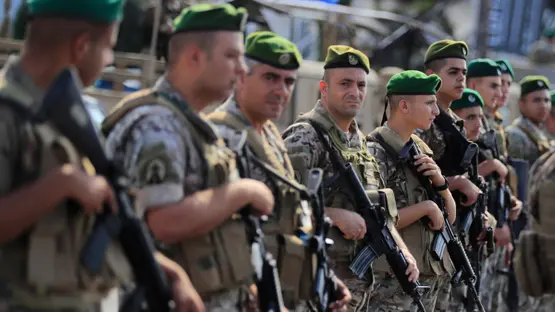
The sanctions announced by the United States include several Lebanese military officers, according to official statements. The U.S. Treasury Department specified that these individuals are targeted due to their alleged financial and material support for Hezbollah, which Washington designates as a terrorist organization. The action aims to disrupt funding networks and exert pressure on the group's operations. Officials indicated that the move is part of broader U.S. Efforts to counter Hezbollah's influence in Lebanon and the wider region. The Treasury emphasized its commitment to protecting the U.S. Financial system from illicit activities linked to such groups. The identities of the nine individuals were not immediately released in full detail, but the U.S. Government showed the seriousness of their alleged involvement in facilitating Hezbollah's operations. This measure serves as a clear message that Washington will continue to target those who provide support to designated terrorist organizations, regardless of their official positions.
Context of Diplomatic Efforts
The imposition of sanctions by the United States occurred as Washington continued to broker additional talks between Lebanese and Israeli officials. These diplomatic efforts are aimed at addressing various contentious issues between the two nations, including border disputes and maritime demarcation. The timing of the sanctions, targeting nine individuals linked to Hezbollah, coincides with these ongoing discussions, adding a layer of complexity to the regional diplomatic landscape. The U.S. Has consistently expressed concerns about Hezbollah's influence in Lebanon, viewing the group as a destabilizing force that undermines Lebanese sovereignty and regional peace. By sanctioning individuals allegedly providing financial and material support to Hezbollah, the United States aims to pressure the organization and disrupt its operational capabilities. This action shows the U.S. Strategy of combining diplomatic engagement with targeted financial measures in the Middle East, seeking to advance its foreign policy objectives and promote stability.
Broader Regional Tensions
The individuals targeted in the recent U.S. Sanctions are accused of maintaining links to Hezbollah, an organization the United States has designated as a terrorist group. These alleged connections show broader regional tensions, particularly given Hezbollah's significant influence within Lebanon's political and military structures. The U.S. Treasury Department's actions aim to sever financial lifelines to the group, which Washington views as a key actor in destabilizing the Middle East. The sanctions are a direct response to intelligence indicating these individuals' involvement in facilitating financial transactions and logistical support for Hezbollah, thereby enabling its continued operations.
Hezbollah's role extends beyond Lebanon's borders, impacting dynamics between Lebanon and Israel, as well as influencing conflicts in other parts of the region, including Syria and Yemen. The sanctions against individuals allegedly connected to the group reflect continued U.S. Efforts to counter its operational capabilities and financial networks. This approach is consistent with Washington's broader strategy of applying economic pressure to organizations it deems a threat to regional stability and U.S. National security interests. The publication of these sanctions on May 22, 2026, notes the ongoing nature of these efforts and the persistent challenge posed by groups like Hezbollah in the Middle East.