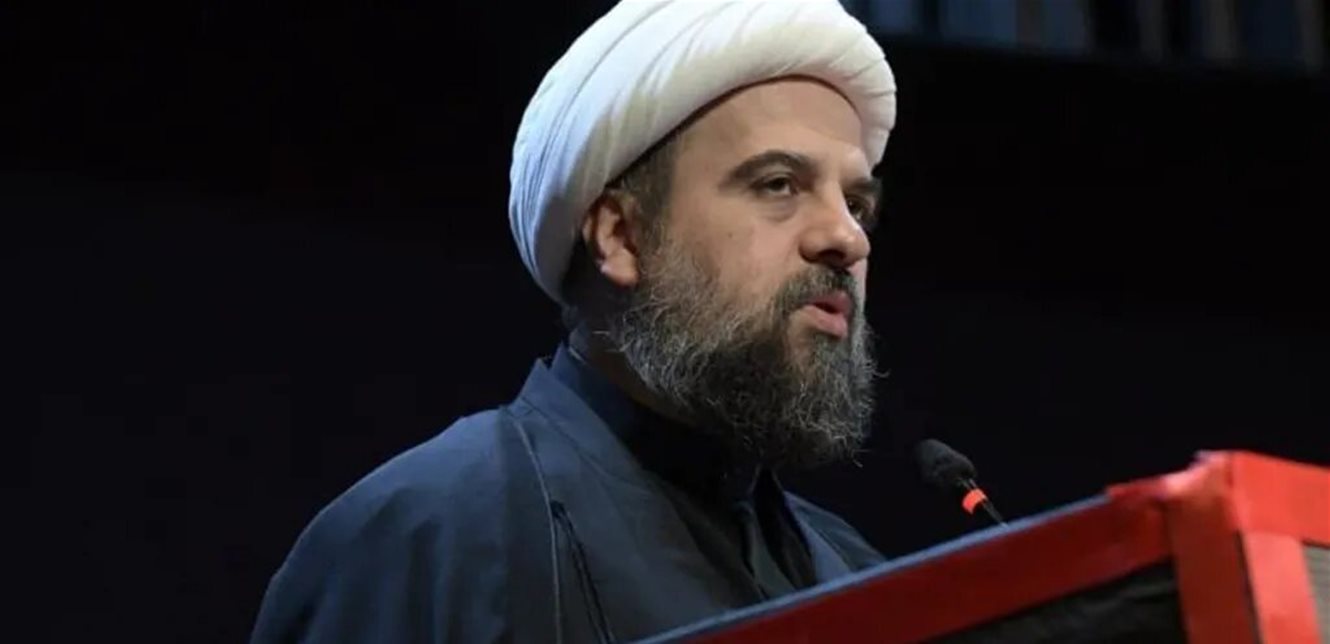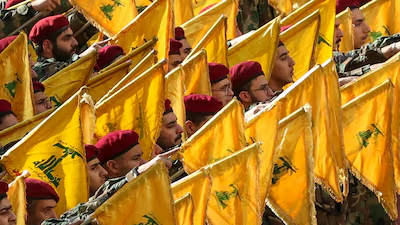
The United States announced sanctions on nine individuals in Lebanon on Thursday, May 21, 2026, accusing them of obstructing the peace process and impeding the disarmament of Hezbollah. The Treasury Department stated that these officials are embedded across Lebanon’s parliament, military, and security sectors. Those sanctioned include Hezbollah-affiliated parliamentarians, state security officials, and allies of the group. The Treasury Department asserted, "These Hezbollah-aligned officials include individuals embedded across Lebanon’s parliament, military and security sectors, where they seek to preserve the Iran-backed terrorist group’s influence over key Lebanese state institutions." Hezbollah responded by calling the sanctions a "badge of honour" and a "blatant attempt to intimidate our official security institutions" ahead of anticipated Israeli-Lebanese meetings at the Pentagon.
The announcement marks a significant escalation in Washington's efforts to curb the influence of the Iran-backed militant group within the Lebanese state apparatus. The U.S. Treasury Department's actions target individuals holding key positions across various governmental and security branches, showing concerns about Hezbollah's widespread presence. The sanctions are specifically aimed at those accused of blocking the peace process and actively impeding the disarming of Hezbollah, a long-standing demand from the international community. This move comes amid increasing pressure on Beirut to take more decisive action in disarming the group, which maintains a significant military and political presence in Lebanon.
Targeted Individuals and Accusations
The list of sanctioned individuals encompasses a range of high-profile figures, including military and security officials, as well as political representatives. Brigadier General Khattar Eldin, the chief of the National Security Department, is accused by the Treasury Department of providing Hezbollah with "illicit support," which included "important intelligence." This accusation notes concerns about the alleged compromise of Lebanon's state security institutions by Hezbollah.
Colonel Samir Hamadi, who leads the Dahieh branch of the Lebanese Armed Forces Intelligence Directorate, faces similar accusations of offering "illicit support" and "important intelligence" to Hezbollah. The Dahieh district, a stronghold of Hezbollah in Beirut, makes the alleged complicity of its intelligence chief particularly notable. These accusations against senior military intelligence figures suggest a concerning level of infiltration and cooperation between state security forces and the designated terrorist organization.
The sanctions also name Mohamed Fanich, a former cabinet minister and senior Hezbollah official. His inclusion shows the U.S. Focus on both the security and political dimensions of Hezbollah's influence. Additionally, three current Hezbollah members of parliament, Hassan Fadlallah, Ibrahim Al Moussawi, and Hussein Hassan, have been included in the sanctions list. Their designation as sanctioned individuals directly targets Hezbollah's political wing and its representation within Lebanon's legislative body, further emphasizing the U.S. Position that the group's political and military activities are inseparable.
Mohammad Reza Sheibani, Iran's ambassador designate to Lebanon, was also named in the sanctions. This inclusion broadens the scope of the sanctions beyond Lebanese nationals, directly implicating an Iranian official in activities perceived to support Hezbollah's influence in Lebanon. This aspect of the sanctions notes the U.S. View of Iran's role in enabling Hezbollah's operations and its broader regional agenda.
Security officials Ahmad Baalbaki and Ali Safawi, both affiliated with the Hezbollah-aligned Amal Movement, are among those sanctioned. The Amal Movement, a Shiite political party and former militia, is a close ally of Hezbollah, and the sanctions against its members indicate a wider net cast by the U.S. Treasury to disrupt the network of support for Hezbollah within Lebanon's political and security landscape. The Treasury Department's action marks what appears to be the first instance of the United States imposing sanctions on current Lebanese state security officials, signifying a new and more direct approach to confronting Hezbollah's institutional entrenchment. Hezbollah responded to the sanctions by calling them a "badge of honour" and a "blatant attempt to intimidate our official security institutions" ahead of anticipated Israeli-Lebanese meetings at the Pentagon.
Context of Regional Tensions
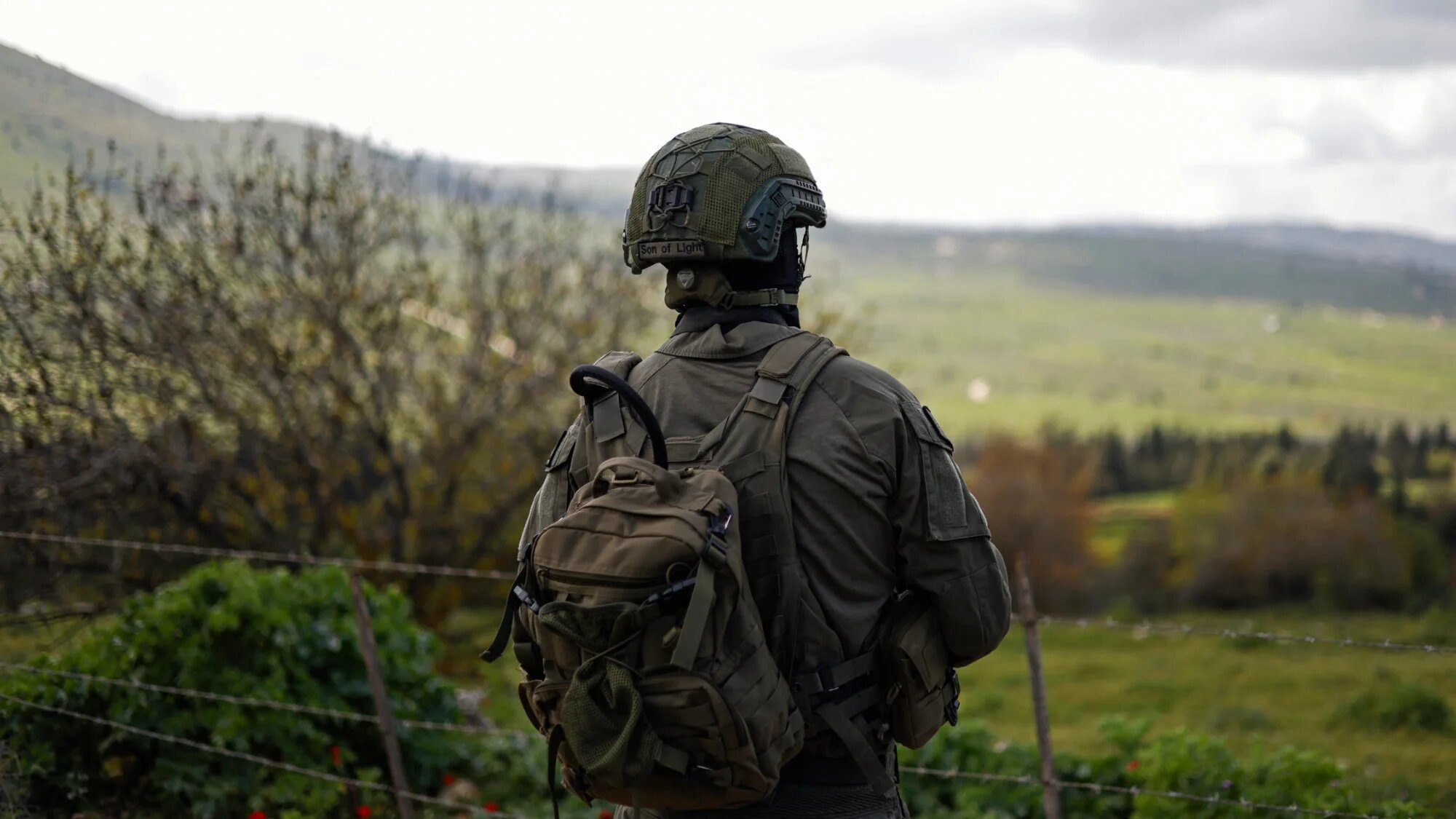
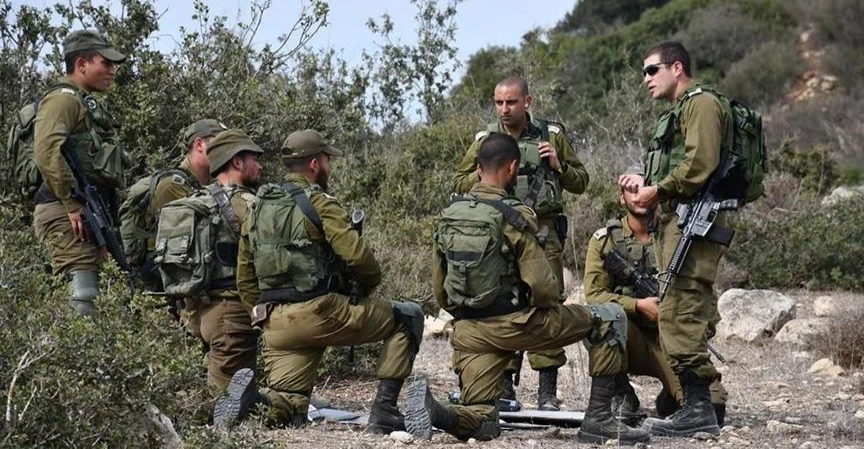
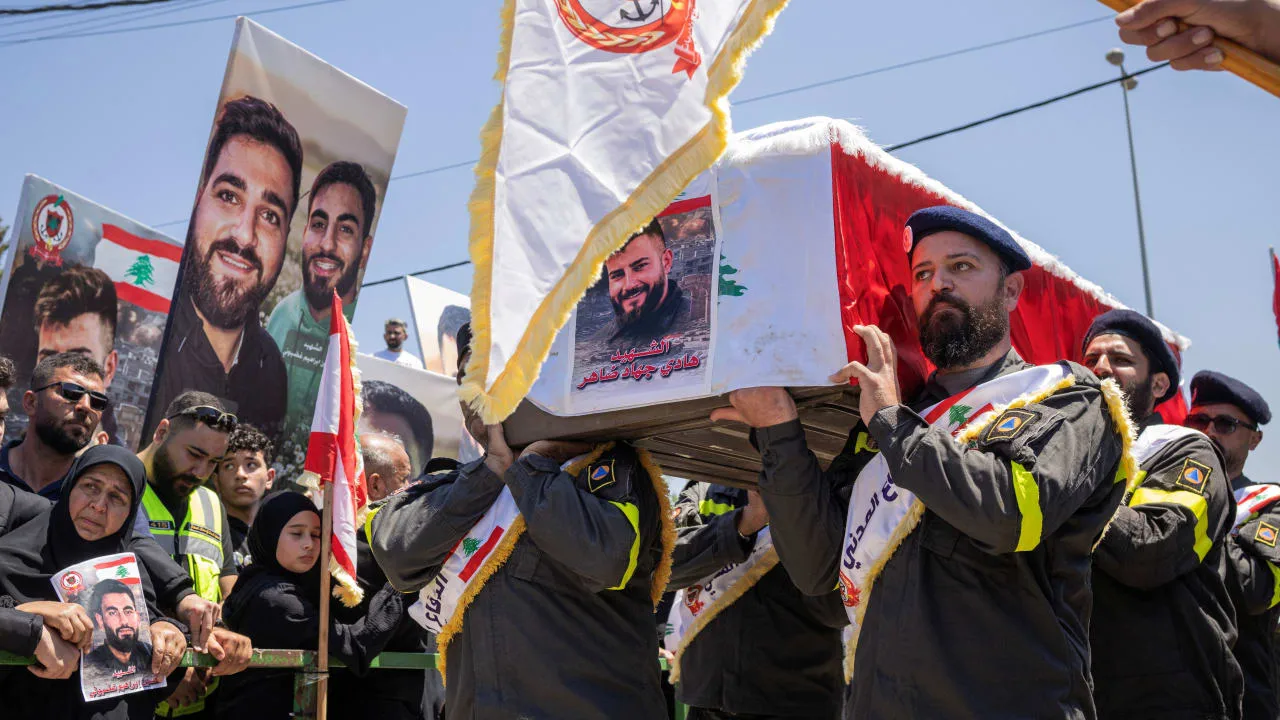
The U.S. Sanctions come at a time of heightened regional instability. Hezbollah and Israeli forces continue to exchange fire in southern Lebanese territory, intensifying regional tensions. These ongoing skirmishes show the volatile security situation along the border and the critical role Hezbollah plays in the broader conflict dynamics. Despite ongoing hostilities, Israel and Lebanon are engaged in discussions aimed at achieving a permanent ceasefire. These diplomatic efforts occur as international pressure mounts on Beirut to take more decisive action concerning the disarmament of Hezbollah. The U.S. Sanctions can be seen as an additional layer of pressure, intended to weaken Hezbollah's grip and facilitate a more stable security environment. Hezbollah, for its part, dismissed the recent sanctions, stating they were "a badge of honour" and "a blatant attempt to intimidate our official security institutions" ahead of anticipated Israeli-Lebanese meetings at the Pentagon. The group's defiant stance suggests little immediate impact on its operational posture or its commitment to its alliances.
Official Statements and Reactions
Treasury Secretary Scott Bessent affirmed the U.S. Stance, stating that "Hezbollah is a terrorist organisation and must be fully disarmed." Bessent emphasized the Treasury's continued commitment, adding, "Treasury will continue to take action against officials who have infiltrated the Lebanese government and are enabling Hezbollah to wage its senseless campaign of violence against the Lebanese people and obstruct lasting peace." These remarks show Washington's persistent pressure on Lebanese institutions regarding their alleged ties to the Iran-backed group and its determination to target those who facilitate its activities from within the government. The Secretary's statement notes the U.S. View that Hezbollah's actions are detrimental to the Lebanese people and an impediment to regional stability.
In direct response to the U.S. Sanctions, Hezbollah dismissed the measures as a "badge of honour." The organization further characterized the sanctions as "a blatant attempt to intimidate our official security institutions" ahead of anticipated Israeli-Lebanese meetings at the Pentagon. This statement notes Hezbollah's defiant posture and its interpretation of the U.S. Actions as an effort to influence internal Lebanese security arrangements and diplomatic engagements. The group's reaction suggests a perception that the sanctions are politically motivated and designed to undermine its legitimacy and operational freedom rather than genuinely address concerns about its activities. The timing of the sanctions, just before key diplomatic talks between Israel and Lebanon, adds another layer of complexity to the already tense regional landscape, with Hezbollah framing the U.S. Move as an attempt to sway the outcomes of these negotiations.
The article was published on May 21, 2026, and updated on May 21, 2026, 9:15 PM.