The Trump administration announced new sanctions on Thursday, targeting Lebanese security officials for the first time. The measures also designated four lawmakers affiliated with Hezbollah and Iran's ambassador-designate in Beirut. Mohammad Reza Sheibani, Iran's ambassador-designate to Beirut, was included in the new sanctions. These new sanctions represented a significant escalation in Washington's ongoing efforts to counter the influence of the Iran-backed militant group in Lebanon. The United States Treasury Department issued a statement outlining the rationale behind these designations, emphasizing the individuals' alleged roles in undermining Lebanese sovereignty and supporting a designated terrorist organization. The full nature of the sanctions, touching upon political, security, and diplomatic figures, showed the breadth of concerns held by the US government regarding Hezbollah's entrenched presence within Lebanese institutions. This move also signaled a heightened resolve from the Trump administration to exert pressure on actors perceived as enabling Hezbollah's operations and political power.
The individuals sanctioned are accused of assisting Hezbollah in evading US-backed disarmament efforts by the Lebanese military. This accusation forms the core of the US Treasury Department's justification for the designations, noting Washington's long-standing policy objective of seeing Hezbollah disarmed and its military wing dismantled. The US has consistently advocated for the Lebanese Armed Forces (LAF) to be the sole legitimate armed entity within Lebanon, and these sanctions are presented as a direct response to perceived obstacles to that goal. The Treasury Department's actions aim to disrupt the networks and individuals believed to be actively working against these disarmament efforts, thereby strengthening the LAF's capacity to assert control across the country.
Targeted Individuals and Allegations
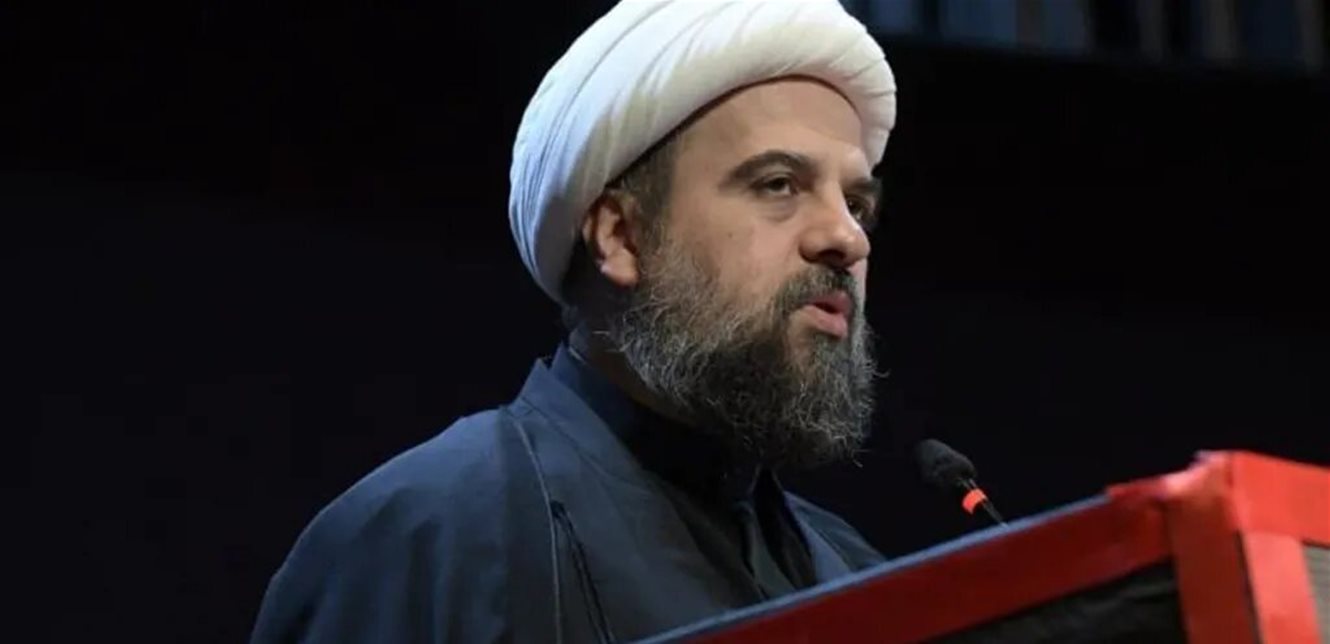
Among the sanctioned individuals are four parliamentarians affiliated with Hezbollah: Hassan Fadlallah, Ibrahim al-Moussawi, Hussein al-Hajj Hassan, and Mohamed Abdel-Mottaleb Fanich. These designations mark a notable expansion of US sanctions to include elected officials, signaling a direct challenge to Hezbollah's political legitimacy and its integration into Lebanon's parliamentary system. The US Treasury Department stated that Mohamed Abdel-Mottaleb Fanich now leads Hezbollah's executive council, a key administrative body within the organization. This position shows his significant influence and involvement in the group's overall operations and decision-making processes. The Treasury Department emphasized that "By supporting the terrorist group, these individuals further the Iranian regime’s malicious agenda in Lebanon and actively obstruct the path to peace and recovery for the Lebanese people." This statement articulates the US view that these parliamentary figures are not merely political representatives but active facilitators of Hezbollah's and, by extension, Iran's regional objectives, which are seen as detrimental to Lebanon's stability and sovereignty. The inclusion of parliamentarians on the sanctions list represents a direct message that political affiliation with Hezbollah, particularly in leadership roles, will not shield individuals from US punitive measures.
Two security officers linked to the Amal Movement, Ahmad Asaad Baalbaki and Ali Ahmad Safawi, were also blacklisted. The Amal Movement, a Shiite political party and former militia, is a traditional ally of Hezbollah in Lebanon's complex political landscape. Lebanese press reports describe Safawi as an Amal security official based in Baalbek and the militia's commander in the south. His alleged role as a regional commander further illustrates the intertwined nature of various security and political actors in Lebanon. The Treasury further alleged that Safawi previously directed attacks against Israel, linking him directly to hostile actions against a key US ally in the region. These allegations show the US concern about the operational links between various Lebanese factions and their activities deemed destabilizing.
Lebanese Col. Samir Hamadi, who heads the Lebanese military intelligence’s branch in the southern region of Dahiyeh, faced sanctions. Brig. Gen. Khattar Nasser al-Din, the head of the analysis division of Lebanon’s General Security Directorate, was also blacklisted. The General Security Directorate is a primary intelligence and security agency in Lebanon, making the sanctioning of one of its senior officials particularly significant. The Treasury accused Hamadi and Nasser al-Din of providing “important intelligence” to Hezbollah. These accusations suggest a concerning level of alleged infiltration or collaboration between official Lebanese security apparatuses and Hezbollah, directly undermining the Lebanese state's capacity to act independently and assert its authority over all armed groups. The US Treasury Department's decision to target these high-ranking security officials indicates a belief that their actions directly contribute to Hezbollah's operational capabilities and its continued defiance of disarmament efforts.
The US Treasury Department stated, "Today’s designations target individuals who are impeding Hizballah’s disarmament, including members of parliament, an Iranian diplomat violating Lebanon’s sovereignty, and Lebanese security officials who have abused their roles to benefit a terrorist organization." This full statement from the Treasury Department encapsulates the broad scope of the sanctions and the various facets of Hezbollah's influence that the US aims to counter. The inclusion of an Iranian diplomat, Mohammad Reza Sheibani, Iran’s ambassador-designate to Beirut, further notes the US perspective that Iran plays a central role in supporting and directing Hezbollah's activities, viewing the diplomat's presence as a direct challenge to Lebanese sovereignty. The sanctions are designed to isolate these individuals financially and politically, making it more difficult for them to conduct transactions and travel internationally, thereby limiting their ability to support Hezbollah.
US Policy and Congressional Pressure
Congress opened the door for the United States to legally train and equip the Lebanese army to take on Hezbollah through this year’s defense spending law. This legislative action reflects a strategic intent to bolster the official Lebanese Armed Forces (LAF) as a counterweight to Hezbollah, providing it with the necessary resources and training to confront the militant group. Republican lawmakers have called for stricter conditions on US aid to Lebanon, expressing growing frustration with the perceived lack of progress in disarming Hezbollah. The chair of the Senate Armed Services Committee, Roger Wicker (R-Miss.), urged for US funding for the Lebanese Armed Forces (LAF) to be halted unless it moves to disarm Hezbollah "immediately." This strong stance from Senator Wicker shows the increasing demand from some members of Congress for tangible results from the LAF in exchange for continued financial assistance. His call for immediate action reflects a weariness with what is seen as a slow or insufficient response from the Lebanese military to the Hezbollah challenge.
Similarly, Republican chair of the Senate Foreign Relations Committee, Jim Risch (R-Idaho), called for an end to "the era of complacency and unconditional bailouts" for the Lebanese army. Senator Risch's comments reinforce the sentiment that US aid should be contingent on clear actions against Hezbollah, moving away from what he perceives as an unquestioning support model. The Trump administration has pledged approximately $287 million largely to the Lebanese army, with $45 million of that amount directed toward the country's Internal Security Forces last year. This substantial financial commitment notes the US investment in Lebanon's security sector, making the calls for stricter conditions all the more significant. The proposed conditions aim to ensure that these funds are effectively utilized to advance US strategic interests, particularly in weakening Hezbollah's grip on the country.
Washington has also been pushing Lebanon's president, Joseph Aoun, to normalize relations with Israel. This diplomatic initiative is part of a broader US effort to foster regional stability and integrate Israel more fully into the Middle East. The United States has brokered three rounds of direct talks between Lebanon and Israel, signaling ongoing diplomatic efforts in the region to resolve long-standing border and maritime disputes. These talks represent a delicate balance of diplomatic engagement alongside punitive measures, reflecting a multifaceted approach to regional security. The Pentagon has a deadline of June 30 to report to Congress on the LAF's progress, a report key for sustaining train-and-equip funding. This upcoming report will be a critical determinant for the future of US military assistance to Lebanon, as it will directly inform congressional decisions on continued funding based on the LAF's demonstrated commitment to US objectives.
Regional Context and Escalation
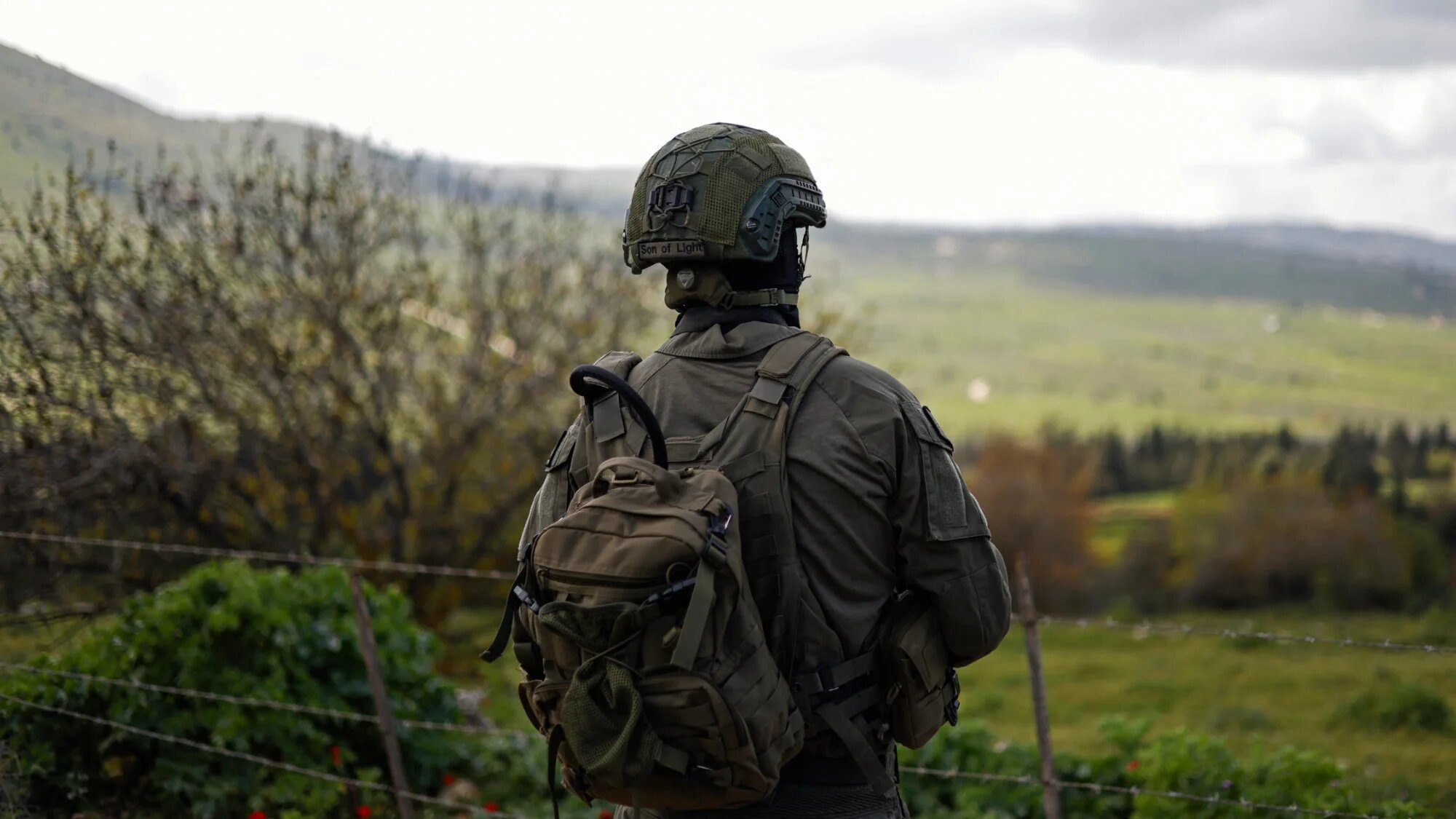
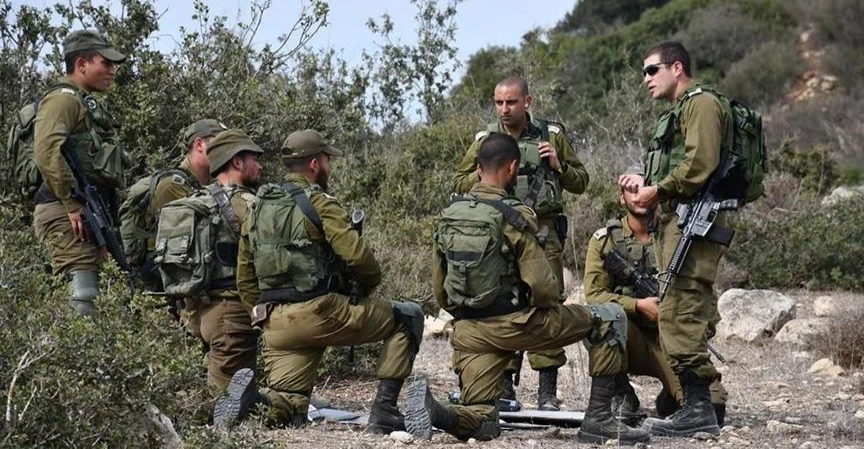
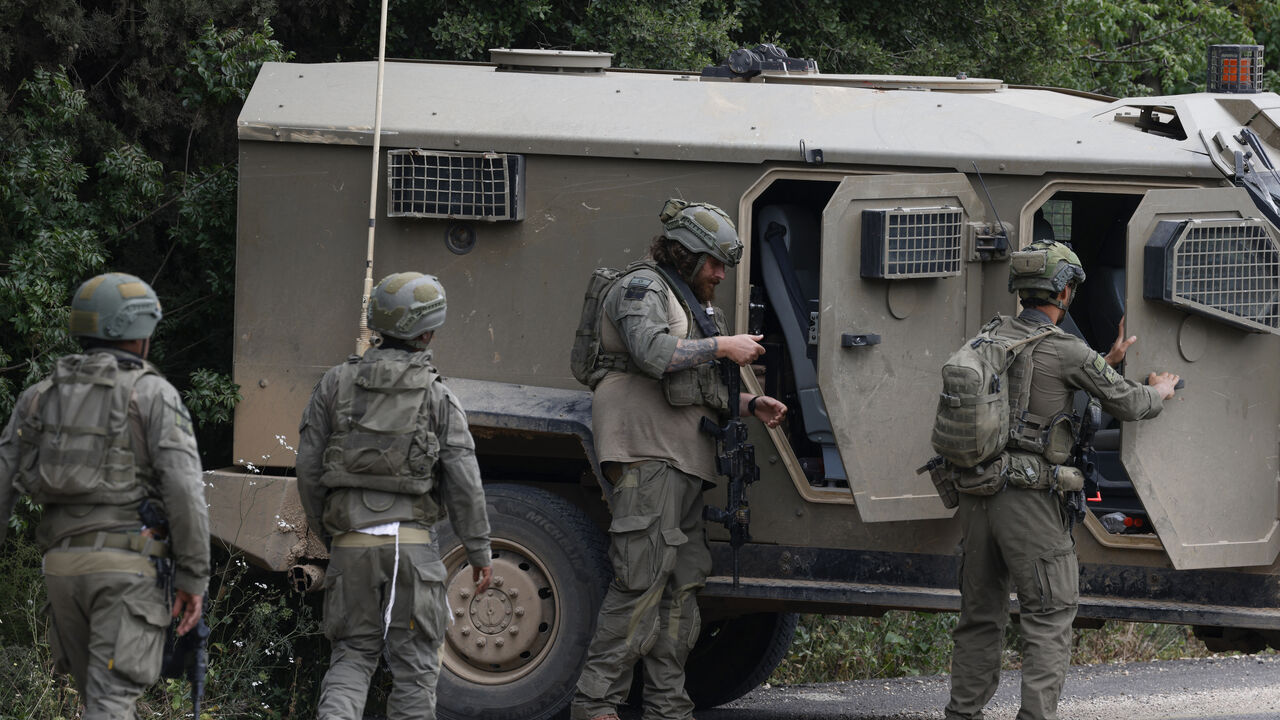
Israel maintains several brigades that occupy a swath of southern Lebanon, extending 3 to 5 miles beyond the Israeli border. This occupation forms part of the broader regional security landscape, contributing to a volatile and often tense situation along the border. The presence of Israeli forces in Lebanese territory is a constant source of friction and a key element in the geopolitical dynamics of the region. This long-standing occupation is often cited by Hezbollah as a justification for its continued armed presence and operations.
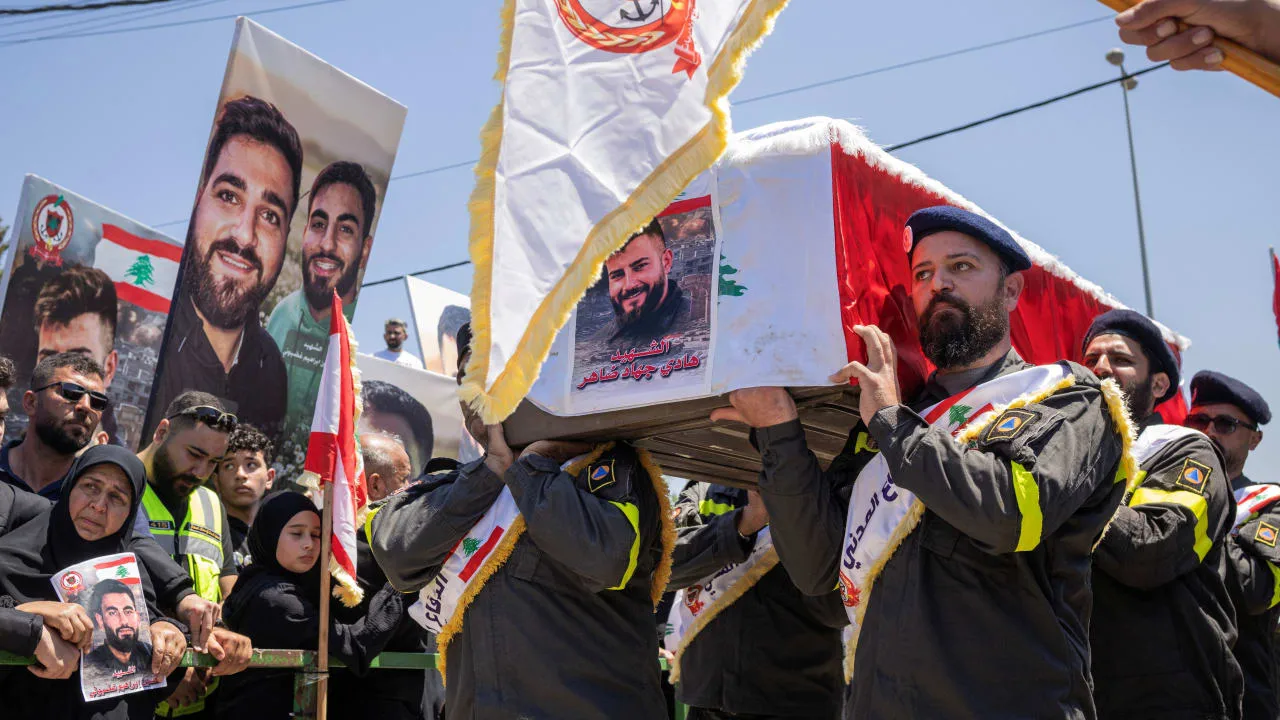
The Israeli military launched a renewed invasion in March, responding to Hezbollah fire. This military offensive marked a significant escalation in the ongoing conflict, demonstrating the fragile nature of the ceasefire agreements and the persistent threat of cross-border hostilities. The offensive led to the displacement of 2 million people within Lebanon, severely impacting civilian populations and creating a humanitarian crisis. This massive displacement shows the severe human cost of the conflict and the profound instability it brings to the region. During the operation, approximately 120 villages and towns sustained heavy damage or were entirely demolished. The widespread destruction of infrastructure and homes further exacerbated the humanitarian situation, leaving countless individuals without shelter and basic necessities. The humanitarian consequences of the invasion were significant, contributing to a complex situation in the border region and noting the devastating impact of military actions on civilian life. These events show the urgent need for long-term solutions and de-escalation efforts to protect civilian populations and prevent further suffering.
Congressional Scrutiny and Future Funding
Republican Senator Lindsey Graham abruptly ended a meeting with Lebanese army commander Rudolphe Haykal last December. This incident serves as a stark illustration of the mounting congressional frustration with the perceived lack of progress by the Lebanese Armed Forces against Hezbollah. Senator Graham has more recently called for General Haykal to resign from his position, intensifying the pressure on Lebanese military leadership. This direct challenge to the LAF's command structure notes growing congressional pressure on Lebanese military leadership amid concerns over Hezbollah's influence. The US Congress continues to scrutinize the allocation of aid to Lebanon, particularly in light of lawmakers' calls for stricter conditions on financial assistance. The incident with Senator Graham and his subsequent call for resignation show the deep-seated concerns among some US policymakers regarding the effectiveness and impartiality of the LAF.
Such direct confrontations show the mounting frustration among some US officials regarding the Lebanese Armed Forces' perceived inaction against Hezbollah. The US government's continued investment in the LAF is increasingly being tied to demonstrable action against the militant group, rather than simply maintaining a presence. The future of US military funding for Lebanon is increasingly tied to tangible progress in disarming the militant group and asserting state control. This shift in approach signifies a more demanding stance from Washington, where financial aid is viewed as a lever to compel the Lebanese government and its military to take decisive steps against Hezbollah. The upcoming Pentagon report to Congress on the LAF's progress will be a key document, shaping the discourse and decisions around future US engagement and aid to Lebanon.