The U.S. State Department announced on Wednesday, June 3, 2026, that Israel and Lebanon have agreed to extend their ceasefire following two days of negotiations held in Washington DC. Both nations confirmed their commitment to renew the fragile truce. The U.S. State Department played a key mediating role in these recent ceasefire discussions, facilitating the dialogue between the Israeli and Lebanese delegations. The agreement comes amidst ongoing regional tensions, with reports indicating at least 27 Israeli soldiers have been killed in or near southern Lebanon prior to the ceasefire renewal. This renewed diplomatic effort aims to de-escalate the volatile situation along the border, which has seen significant conflict in recent months.
Ceasefire Terms and Conditions
The renewed ceasefire agreement establishes Lebanese security zones from which Hezbollah will be excluded. This cessation of hostilities is contingent upon a complete halt to Hezbollah fire and the evacuation of all Hezbollah operatives from these designated areas, according to reports. The establishment of these security zones is a key component of the agreement, designed to prevent future aggressions and provide a buffer. The terms explicitly state that Hezbollah must cease all offensive actions and withdraw its personnel from these specific areas to uphold the truce. The Israeli military previously stated it had "identified" and "eliminated" two "Hezbollah terrorists" and implemented measures to mitigate civilian harm during operations preceding the current agreement. These actions were reportedly taken in response to ongoing threats from the militant group.
A security track is scheduled to launch at the Pentagon on May 29. This initiative will involve military delegations from both Israel and Lebanon, indicating a direct engagement on security matters between the two nations. The discussions at the Pentagon are expected to focus on the practical implementation and monitoring of the ceasefire terms, particularly concerning the security zones and the removal of Hezbollah elements. This diplomatic effort shows the ongoing commitment by the United States to mediate and stabilize the volatile border region. The military-to-military talks are considered vital for translating the political agreement into tangible security arrangements on the ground. These discussions will also likely address verification mechanisms to ensure compliance by all parties.
The Israeli military, for its part, aims to create a buffer zone in southern Lebanon. This strategic objective is intended to thwart future Hezbollah attacks, providing an additional layer of security for Israeli communities near the border. The establishment of such a zone would significantly alter the operational landscape in the region, seeking to push Hezbollah forces further north and away from the immediate vicinity of the Israeli border.
Ongoing Conflict and Displacement
The conflict between Israel and Lebanon commenced on March 2, following a joint attack by the United States and Israel on Iran. Since that date, at least 2,896 people have been killed in Lebanon, according to the Lebanese health ministry. Israeli authorities reported 18 soldiers and four civilians have died since March 2. Separately, fighting between Israel and Hezbollah has resulted in the deaths of 3,468 people in Lebanon, according to official figures. These casualty figures show the severe human cost of the prolonged hostilities.
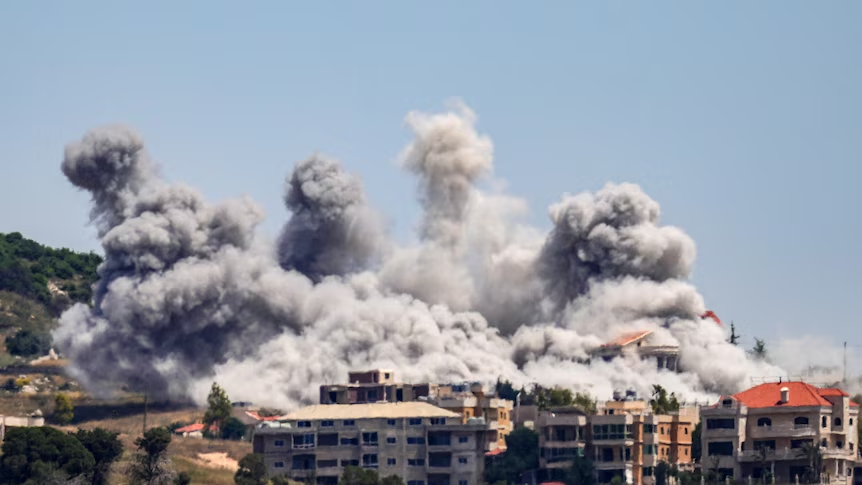
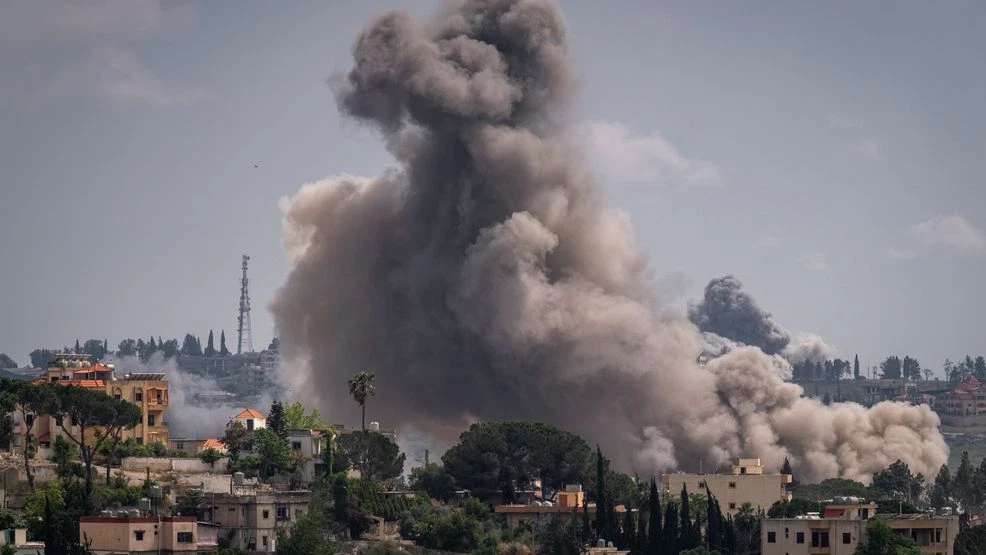
An Israeli air strike on the southern Lebanese town of Harouf killed six individuals, including three paramedics, Lebanon's health ministry reported. The same incident also left a fourth paramedic with "critical injuries" after a civil defense center was attacked in Harouf, according to reports. This attack on a civilian facility and medical personnel drew strong condemnation and noted the dangers faced by aid workers in the conflict zone. The ongoing hostilities have led to significant displacement within Lebanon, with more than one million people, representing one in five of the country's population, having been forced from their homes across the nation. This massive internal displacement has created a humanitarian crisis, straining resources and requiring extensive aid efforts. Families and communities have been uprooted, seeking safety in other parts of the country, often in overcrowded conditions.
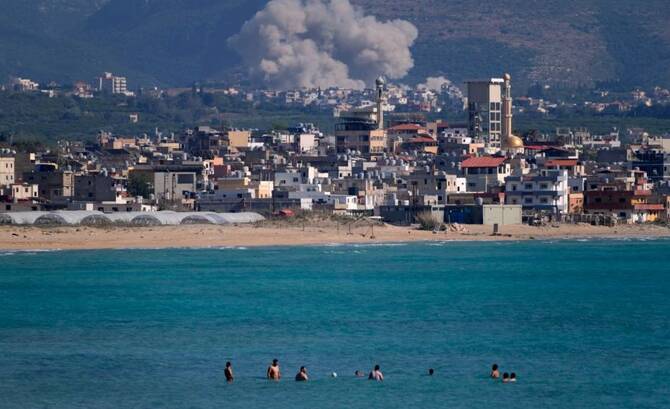
Despite the truce announced by U.S. President Donald Trump on April 16, Israel and Hezbollah have continued to exchange fire. There have been almost daily reports of them trading fire across the southern border of Lebanon since the ceasefire began. These persistent cross-border incidents indicate the fragility of the truce and the deep-seated tensions that remain, threatening to undermine the broader ceasefire agreement. The continuous exchanges of fire demonstrate the challenges in fully implementing a durable cessation of hostilities.
US Diplomatic Efforts
The U.S. State Department played a mediating role in the recent ceasefire discussions between Israel and Lebanon. Negotiations are set to resume in June, with the State Department planning to "reconvene the political track of negotiations" at that time. These upcoming political discussions will likely delve into more full, long-term solutions beyond the immediate cessation of hostilities, addressing underlying issues contributing to the conflict. Meanwhile, two civilians have been killed in northern Israel amidst ongoing regional tensions, reflecting the continued security threats faced by both sides.
Separately, President Donald Trump commented on the situation involving the Strait of Hormuz, suggesting it might remain blocked through Labor Day, though he deemed this scenario unlikely. "I don’t know. I mean, I think it could be (closed through Labor Day), but I think it’s unlikely. I think that we’ll have it. I think this will resolve itself fairly quickly," Trump stated. His remarks touched upon the broader regional security concerns, particularly those affecting global shipping and energy markets. He also remarked on the often-changing nature of geopolitical assessments, saying, "That's good. That's good. If they're confused, then the Iranians are confused, too. It's just the way I am. It changes. I mean, I could leave here, I could give you an answer and then in 20 minutes go into the Oval Office and say, 'How are things going?' And I would realize my answer is now incorrect, OK?" This statement provided insight into his perspective on the dynamic and unpredictable nature of international relations.
Trump's Comments and Relations
U.S. President Donald Trump announced the truce on April 16, according to reports. Trump commented on the Strait of Hormuz situation, stating, "I don’t know. I mean, I think it could be (closed through Labor Day), but I think it’s unlikely. I think that we’ll have it. I think this will resolve itself fairly quickly." His assessment reflected a cautious optimism regarding the eventual reopening of the vital shipping lane. He also acknowledged the fluid nature of geopolitical assessments, remarking, "That's good. That's good. If they're confused, then the Iranians are confused, too." This comment noted his approach to foreign policy, often characterized by a degree of unpredictability that he believes can be strategically advantageous. Reports indicated the Israeli military aims to establish a buffer zone in southern Lebanon to prevent future attacks by Hezbollah. This strategic objective remains a key point of focus for Israeli defense planning. Despite the truce, Israel and Hezbollah have continued exchanging fire, with almost daily reports of cross-border incidents since the ceasefire began. The ongoing skirmishes demonstrate the persistent challenges in maintaining a stable peace along the border, even with diplomatic efforts underway.