Talks between the U.S. And Iran, intended to discuss Iran's nuclear program, were called off on Friday amid escalating conflict in Lebanon. Iranian officials stated that fighting in Lebanon must cease before any discussions can proceed. The planned exchanges in Switzerland were anticipated to focus on various aspects of Iran's nuclear activities. The decision to halt the talks follows recent reports from Israel, which stated that four of its soldiers died in the ongoing fighting. This abrupt cancellation shows the fragile nature of diplomatic efforts in a region grappling with heightened tensions. The discussions in Switzerland were specifically expected to focus on Iran's nuclear program, a subject of significant international concern.
Escalation on Lebanon Border
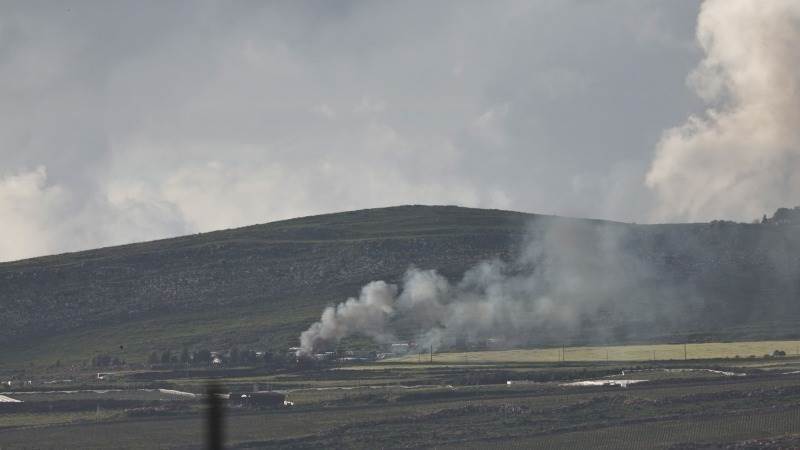
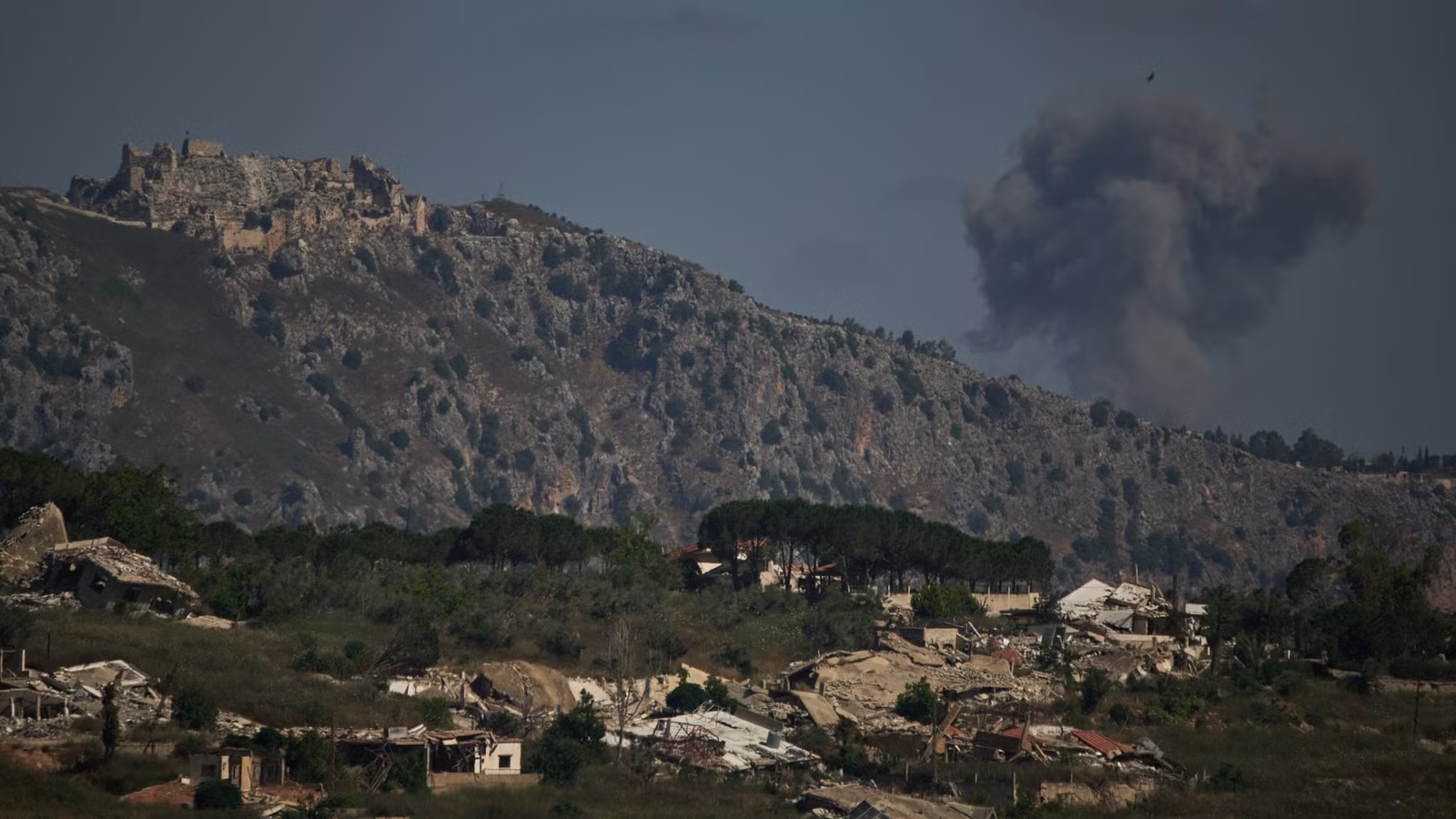
Israel's military conducted strikes against targets in southern and eastern Lebanon overnight. Hezbollah reported intense fighting across several locations following these operations. Lebanon's Health Ministry confirmed that at least 21 people were killed in the recent fighting, noting the severe human cost of the renewed clashes. The escalation has plunged the border region into a deeper crisis, with both sides reporting significant casualties and damage.
Separately, an attack on a tank in a village near Nabatiyeh resulted in the deaths of four Israeli soldiers, including a lieutenant colonel. This incident marked a significant escalation, drawing immediate and strong responses. Additionally, an explosive drone attack wounded another five Israeli soldiers during the ongoing clashes, further illustrating the intensity and varied nature of the engagements. These attacks have fueled a cycle of retaliation, making de-escalation increasingly difficult.
In response, Israel launched multiple strikes targeting what it described as "Hezbollah infrastructure sites" in Nabatiyeh and other areas within Lebanon. The Israeli military also extended its operations to the Beqaa Valley, striking targets in the eastern part of the country. These actions demonstrate Israel's intent to hit Hezbollah targets far beyond the immediate border region. These Israeli attacks have prompted many residents in southern Lebanon to flee their villages, seeking safety from the intensified conflict, leading to a growing humanitarian concern in the affected areas. The displacement of civilians further complicates the regional stability and response efforts.
Stalled Diplomacy and Nuclear Program
Intense fighting between Israel and Hezbollah in southern Lebanon prompted the cancellation of nuclear talks between the United States and Iran. Tehran has maintained that it will not send a delegation to Switzerland for diplomatic discussions until Israel's attacks in Lebanon cease. The Iranian position links the cessation of hostilities directly to the resumption of negotiations aimed at addressing its nuclear program, thereby intertwining regional conflict with critical international diplomacy. Iranian officials have explicitly insisted that the fighting in Lebanon must stop before any talks can take place. This diplomatic impasse has cast a shadow over efforts to manage Iran's nuclear ambitions.
Hezbollah acknowledged targeting Israeli tanks, stating its attacks were a direct response to what it described as Israel’s violation of a ceasefire. This claim by Hezbollah adds another layer of complexity to the conflict, as both sides accuse the other of provoking the violence. The group's actions show the volatile nature of the conflict, which has significantly impacted regional diplomatic efforts. The ongoing clashes in Lebanon have been identified as the most precarious aspect of the broader Iran deal framework, complicating any potential for de-escalation or agreement. The intertwined nature of the conflict and nuclear negotiations means that progress on one front is heavily dependent on stability on the other.
Amid the escalating regional tensions, U.S. Vice President JD Vance also canceled his previously scheduled trip. The cancellation by Vance further reflects the severity of the situation and the immediate impact of the Lebanon conflict on high-level international engagement. His diplomatic visit was expected to play a role in discussions related to regional stability, but the focus has now shifted to crisis management. The decision by Vice President Vance to postpone his trip signals a significant disruption in U.S. Diplomatic efforts in the region, with the White House attributing his decision to logistical issues.
Mediators are currently working to reschedule the meetings, which were intended to address how to restrict Iran’s nuclear program. These efforts highlight the international community's concern over Iran's nuclear activities and the desire to revive diplomatic channels. The proposed discussions in Switzerland were designed to establish parameters and safeguards for Iran's nuclear development, but the current geopolitical climate has made these talks impossible to conduct. The halting of these critical negotiations signifies a major setback for international efforts to manage Iran's nuclear ambitions peacefully. The scramble by mediators to reschedule these key meetings shows the urgency felt by the international community to re-engage with Iran on its nuclear program. The planned agenda for these discussions specifically aimed at finding mechanisms to restrict Iran’s nuclear program, a goal now complicated by the regional instability.
The Interim Deal's Framework
The interim deal has already reopened the Strait of Hormuz to international shipping. This vital waterway, key for global energy supplies, has seen renewed activity following the agreement. A new Iranian authority charged with overseeing the Strait of Hormuz issued guidance Friday, calling on ships to register with it. This move by Iran introduces a new layer of regulation for maritime traffic in the strategic passage. More than 12.5 million barrels of oil were shipped through the Strait of Hormuz on Wednesday night, demonstrating its continued importance to global commerce. Following the signing of the interim deal, the U.S. Lifted its blockade of Iran's ports and is allowing it to sell its oil freely, providing a significant economic incentive for Iran.
The agreement calls for ensuring Lebanon’s “territorial integrity and sovereignty,” a principle now severely tested by the ongoing conflict. Israeli Prime Minister Benjamin Netanyahu stated that forces would remain in a “security zone” of southern Lebanon as long as “Israel’s security needs require it.” This declaration by Prime Minister Netanyahu indicates Israel's long-term strategic interests in the area, potentially conflicting with Lebanon's sovereignty claims. Prime Minister Netanyahu also warned that "Israel will not tolerate attacks on our soldiers or on our territory, and it will exact a very heavy price from Hezbollah for these attacks," signaling a firm stance against any aggression.
Tehran maintains that its nuclear program is peaceful, asserting its sovereign right to nuclear technology for civilian purposes. However, the International Atomic Energy Agency reports that Iran has highly enriched uranium that could be used to build multiple atomic bombs, a finding that fuels international concern and skepticism regarding Iran's claims. The interim deal gives negotiators 60 days to come up with a nuclear agreement, setting a tight deadline for significant diplomatic progress. This interim deal also outlines lucrative incentives if Iran reaches a new agreement, including the eventual lifting of all international sanctions and a $300 billion fund for postwar reconstruction. These incentives are designed to encourage Iran's compliance and cooperation. The 2015 nuclear deal previously took more than 18 months to negotiate, illustrating the complex and protracted nature of such diplomatic undertakings. The current 60-day window therefore presents a significant challenge for negotiators.
International Reactions and Concerns
The White House attributed Vice President JD Vance's decision to postpone his trip to logistical issues. This official explanation contrasts with broader perceptions linking the cancellation directly to the escalating regional conflict. Vance's planned diplomatic visit was intended to address regional stability, but its cancellation reflects the immediate impact of the Lebanon conflict on high-level international engagement, effectively sidelining a key diplomatic initiative. Separately, two regional officials stated that Pakistan was "stunned" by Iran's decision not to attend the nuclear talks in Switzerland. This reaction from Pakistan shows the surprise and concern among some international actors regarding Iran's stance.
Iran's stance, linking the cessation of hostilities in Lebanon to the resumption of negotiations, has introduced new complexities into diplomatic efforts regarding its nuclear program. This linkage suggests a strategic decision by Tehran to use its participation in nuclear talks as leverage in the ongoing regional conflicts. The ongoing regional tensions continue to affect international diplomatic schedules and highlight the interconnectedness of various geopolitical issues in the Middle East. The ripple effects of the Lebanon conflict are clearly impacting broader international relations and diplomatic efforts, postponing key discussions and raising concerns among global powers. The decision by Iran to tie the nuclear talks to the situation in Lebanon has created a diplomatic hurdle that mediators are now striving to overcome. The international community watches closely as the regional dynamics continue to shape the prospects for a peaceful resolution to Iran's nuclear program.