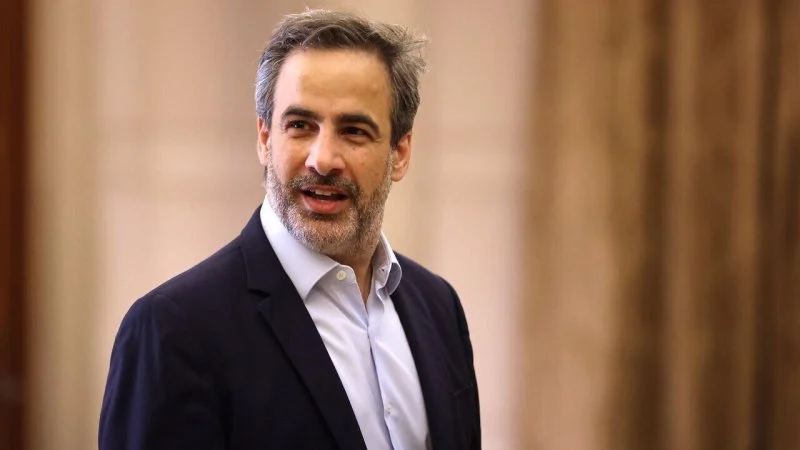
MP Michel Moawad recently published a photo alongside Lebanese University President Bassam Badran, prompting discussion within political and academic circles. This interaction has led some university and political observers to view Moawad's current stance as aligning with a project considered a fundamental demand of the Shiite duo within the Lebanese University. The meeting has raised questions regarding potential shifts in alliances and the implications for the university's future direction, particularly given the sensitive political landscape surrounding the institution.
Christian Grievances Mount
The publication of the photo occurred amid intensifying contacts among Christian church and political figures, who are addressing what they consider structural imbalances within the Lebanese University. These Christian authorities are actively working to rectify what they perceive as fundamental issues affecting their community's representation and role within the national academic institution. The Maronite Church, alongside academic and political Christian figures, has raised objections regarding what they describe as chronic injustice against Christians within the university. These objections specifically concern issues such as the emptying of deanships, the formation of the university council, and the allocation of faculty and university branches. These concerns highlight a broader sentiment among Christian authorities regarding the perceived erosion of their influence and equitable participation within the Lebanese University. Weeks prior, a broad meeting was held at Bkerke, attended by Christian parties, church representatives, and experts. This meeting concluded with the preparation of a paper of demands, which was subsequently submitted to President Joseph Aoun. The paper calls for the correction of existing imbalances and the restoration of balance within the national university institution, aiming to ensure fair representation and opportunities for all communities.
Moawad's Stated Stance
Michel Moawad has consistently structured a significant portion of his public discourse around confronting the influence of Hezbollah. His rhetoric frequently targets those he characterizes as providing political cover for the group, emphasizing his opposition to their growing power. Moawad has built a significant part of his discourse on confronting Hezbollah's influence and criticizing those who provide them political cover, often positioning himself as a strong opponent of their agenda. The article questions how Moawad's actions align with this stated position. It specifically raises concerns about his support for a project that directly serves the political priorities of Hezbollah, particularly given his past criticisms of opponents for aligning with the faction's choices. The article further questions how Moawad attacks his opponents for aligning with Hezbollah's choices while supporting a project that directly serves the political priorities of the same faction. This apparent contradiction forms a central point of inquiry regarding Moawad's current political alignments and the consistency of his public stance.
The Controversial Meeting
The meeting between MP Michel Moawad and Lebanese University President Bassam Badran took place during a sensitive period for the Lebanese University, particularly concerning issues of national balance and partnership within the institution. This timing has amplified the scrutiny surrounding their interaction. President Badran is currently engaged in a political and legislative effort to amend the existing law, which would permit the university president to serve two terms instead of the current single term. This legislative push is a significant point of contention, drawing considerable political attention and debate. Despite the public attention generated by the meeting, Moawad has not publicly commented on the content of his discussions with Badran. His silence has contributed to questions regarding the nature and implications of their interaction, leaving observers to speculate on the motivations behind the meeting and its potential impact on the ongoing political dynamics within the Lebanese University. Moawad has remained silent on the content of his meeting with Badran, further fueling speculation among political and academic circles.