A new agreement between the United States and Iran is anticipated to be formalized later this week, according to reports. This accord, which administration officials have characterized as a framework, is designed to potentially open new negotiations concerning Iran's nuclear program. These significant developments emerge amid broader regional tensions involving Israel and Lebanon, adding layers of complexity to an already volatile geopolitical landscape. The anticipated formalization later this week marks a critical juncture in the diplomatic efforts between Washington and Tehran.
Deal Details and Nuclear Concerns
Donald Trump is anticipated to sign a memorandum of understanding with Iran during a ceremony scheduled for Friday in Switzerland. This event is poised to be a key moment in the ongoing diplomatic efforts. Mr. Trump, the former US President, has asserted that the agreement is specifically designed to prevent Iran from obtaining a nuclear weapon, a claim that shows the perceived strategic importance of the accord. The former President's statements aim to reassure allies and the international community about the deal's primary objective.
Despite the former President's assurance, questions persist regarding Iran's nuclear ambitions. The full specifics of the agreement have not been publicly disclosed, leading to ongoing speculation about its scope and efficacy. This lack of transparency has fueled concerns among some international observers and regional actors regarding the long-term implications of the understanding. The undisclosed details also contribute to uncertainty over how the deal might be enforced or verified, raising questions about accountability and compliance. The memorandum represents a significant development in US-Iran relations, with its full impact yet to be understood without public access to its complete terms. The ceremony in Switzerland is expected to mark a formal step in implementing the accord, even as its precise contents remain largely unknown to the broader public. The secrecy surrounding the agreement has prompted calls for greater transparency from various international bodies and governments.
Lebanon Operations Clash
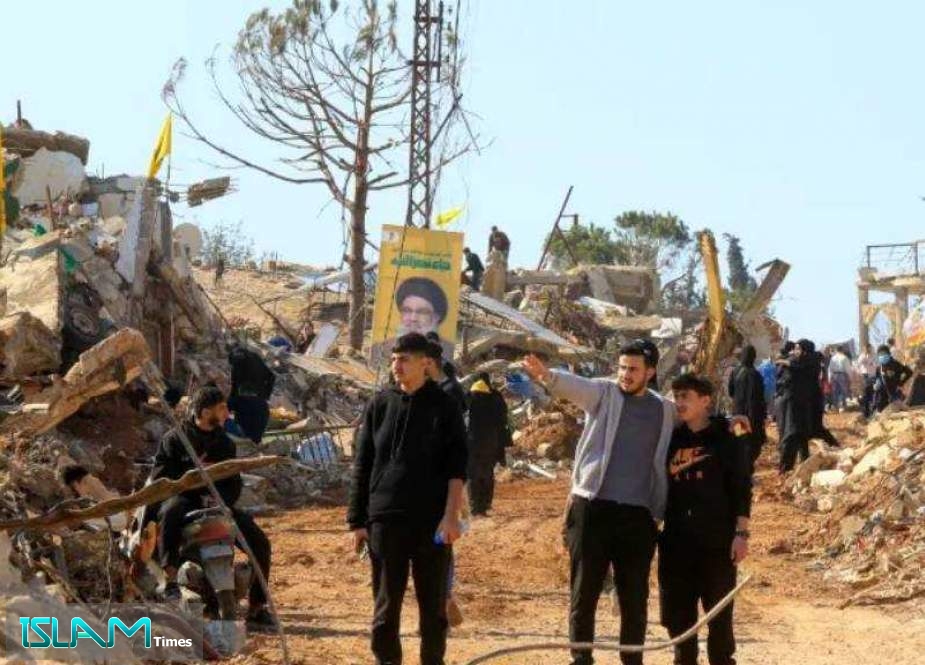
President Donald Trump publicly criticized Israel's ongoing campaign in Lebanon, suggesting that its duration is excessive and that it complicates efforts to stabilize the region. Trump stated, "Israel is fighting Hezbollah for too long and too many people are being killed. And you don't have to knock down an apartment house every time you're looking for somebody." These remarks came as Israel continues military operations against Hezbollah in Lebanon, operations that have drawn increasing international scrutiny. The former President's comments indicate a growing impatience with the protracted conflict and its humanitarian toll. His direct criticism marks a notable shift in rhetoric concerning a key regional ally, noting potential disagreements over military strategy and regional stability.
Iranian Foreign Minister Abbas Araghchi reportedly contended that any continued presence of Israeli troops in southern Lebanon or future military strikes in the area would constitute a violation of the anticipated agreement between the United States and Iran. This interpretation from Tehran suggests that the new accord could impose constraints on Israeli military actions in the region. However, Israeli officials have firmly rejected Iran's interpretation of the situation. They insist that their military operations against Hezbollah will proceed as planned, indicating no change in their operational strategy despite the U.S. And Iranian diplomatic developments. This firm stance from Israel shows its determination to act in its perceived security interests, irrespective of the new agreement's stipulations as interpreted by Iran.
The former President also commented on his relationship with Israeli Prime Minister Benjamin Netanyahu, stating, "I've had a great relationship with Bibi, but now Bibi has to be more responsible with respect to Lebanon." This statement shows a perceived shift in Trump's stance regarding Israel's actions in the region, suggesting a demand for greater restraint from the Israeli leadership. Israel's military actions in Lebanon have been a point of contention within the broader regional context, with international observers closely monitoring the impact of these operations on civilian populations and regional stability. Trump's remarks highlight a potential strain in the historically close ties between the two leaders, suggesting that the dynamics of their relationship are evolving under the pressure of regional events and diplomatic initiatives.
Israeli Rebuttals and Alliance Dynamics
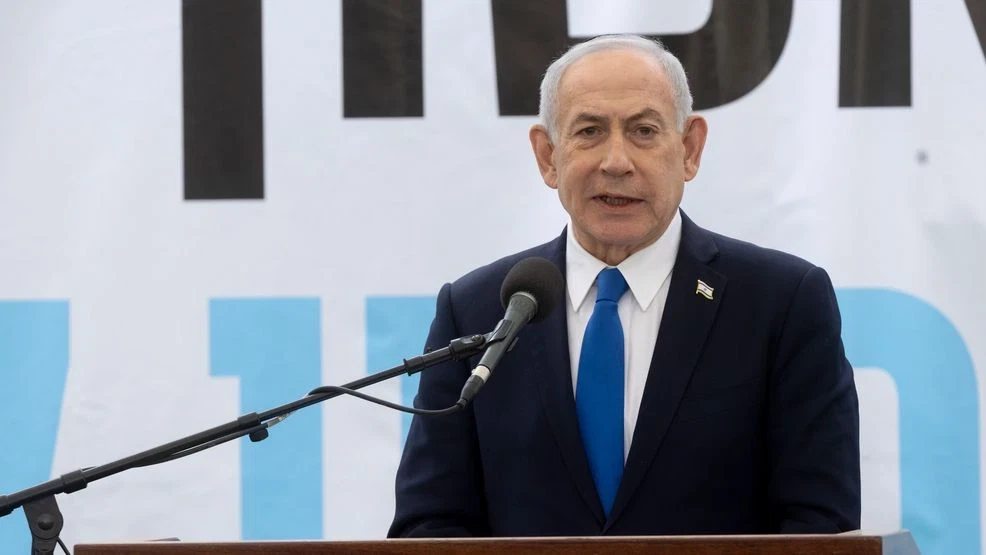
The agreement between the United States and Iran is exposing growing tensions between President Donald Trump and Israeli Prime Minister Benjamin Netanyahu. This divergence in views represents a significant challenge to the long-standing alliance between the two nations. Prime Minister Netanyahu stated, "With or without an agreement, Iran will not have nuclear weapons, not today and not tomorrow. As long as I am Prime Minister of Israel, it will not happen." This unequivocal declaration from the Israeli leader emphasizes Israel's unwavering commitment to preventing Iran from acquiring nuclear capabilities, irrespective of any international accord. His statement serves as a clear warning to both Iran and the international community about Israel's red lines.
Retired Israeli Defense Forces Brig. Gen. Amir Avivi defended Israel's position, asserting that Hezbollah continues to pose a significant threat to Israel's northern border. He noted the necessity of ongoing military operations to counter this persistent danger. Israeli National Security Minister Itamar Ben-Gvir further declared that "Trump's agreement does not bind us," indicating a potential divergence in policy and a refusal to be constrained by the terms of the new U.S.-Iran accord. This statement from a senior Israeli official publicly signals Israel's independent approach to its security concerns.
Despite these statements, Israeli Ambassador to the United States Michael Leiter downplayed suggestions of a serious rift between the two allies. Ambassador Leiter emphasized the enduring strength of the relationship, seeking to reassure both sides of the partnership's resilience. Following international meetings in Switzerland, Prime Minister Netanyahu is reportedly seeking a meeting with President Trump. This request for a direct meeting shows the importance of high-level dialogue in managing the current tensions and ensuring that the strategic alliance remains strong amidst evolving regional dynamics and differing perspectives on the new agreement. The outcome of such a meeting could significantly influence the future trajectory of U.S.-Israel relations and regional stability.