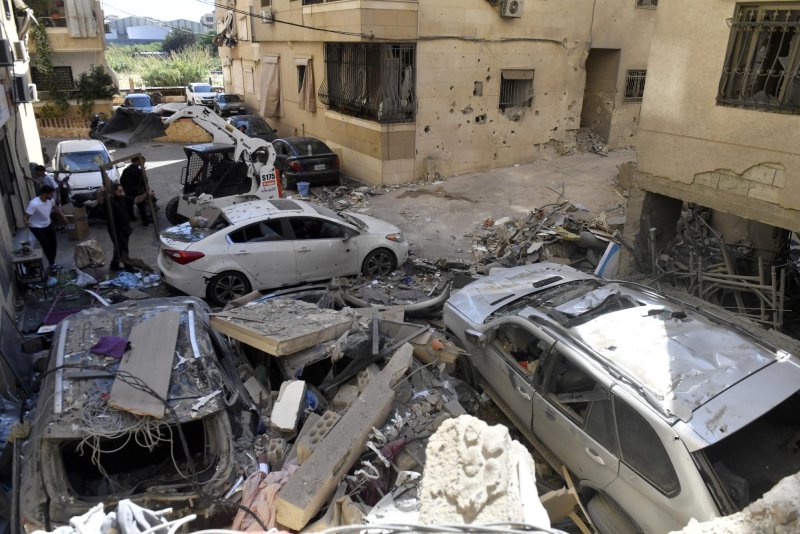
The United States announced an extension of Temporary Protected Status (TPS) for eligible Lebanese nationals, effective until November 27. The US Department of Homeland Security stated that regional tensions, specifically citing the US-Israeli war on Iran, were a contributing factor to the decision. This extension allows current beneficiaries to retain their status and enables new applicants to seek protection. The notice from the Department of Homeland Security explicitly referenced the ongoing tensions in the region, linking them to the US-Israeli war on Iran as a key element in the justification for the extension.
What is Temporary Protected Status
With the extension, Lebanese nationals residing in the United States will be permitted to live and work legally through November 27. Temporary Protected Status offers deportation relief and work permits to individuals already in the US whose home countries are experiencing a natural disaster, armed conflict, or other extraordinary event. The homeland security secretary must officially designate countries for TPS, with designations typically lasting between six and 18 months. This critical humanitarian program provides a temporary haven for individuals unable to safely return to their home countries due to severe conditions. The designation process involves a thorough review by the Secretary of Homeland Security to determine if a country meets the statutory requirements for TPS, which include ongoing armed conflict, environmental disaster, or other extraordinary and temporary conditions.
Reasons for Extension
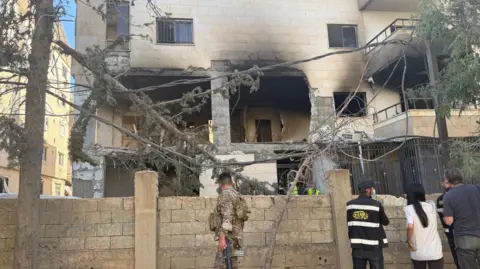
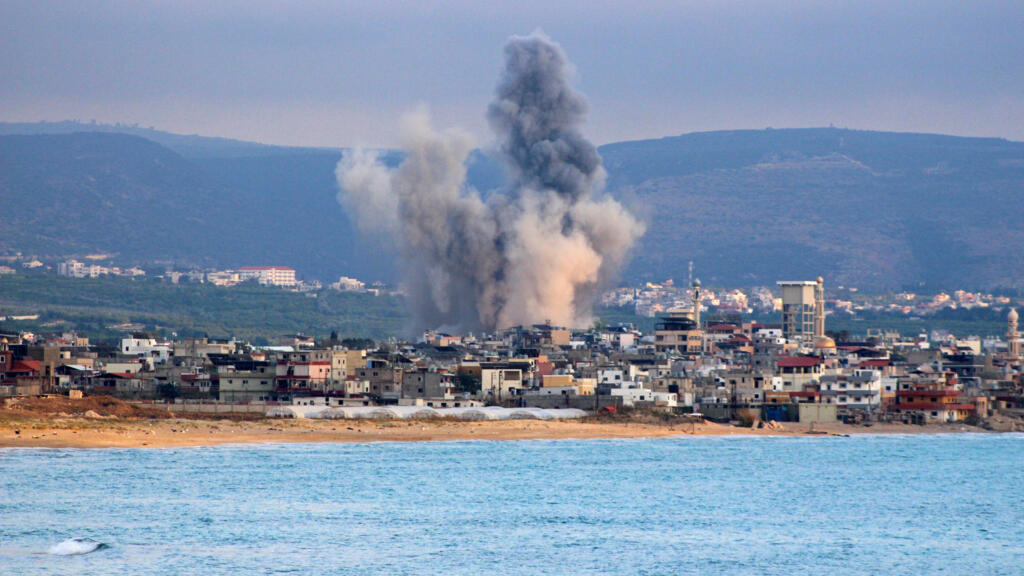
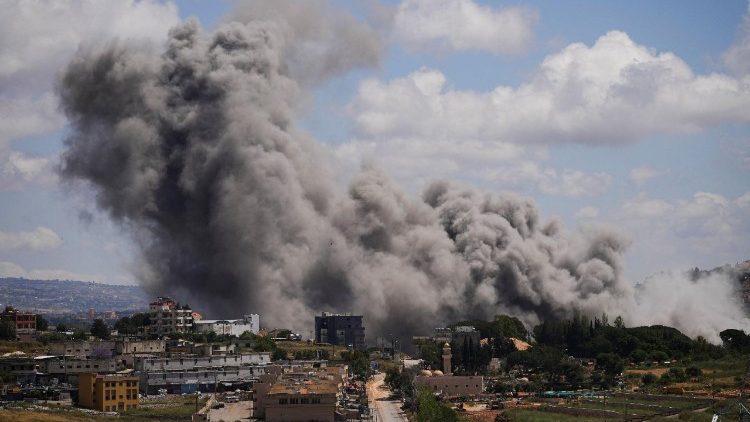
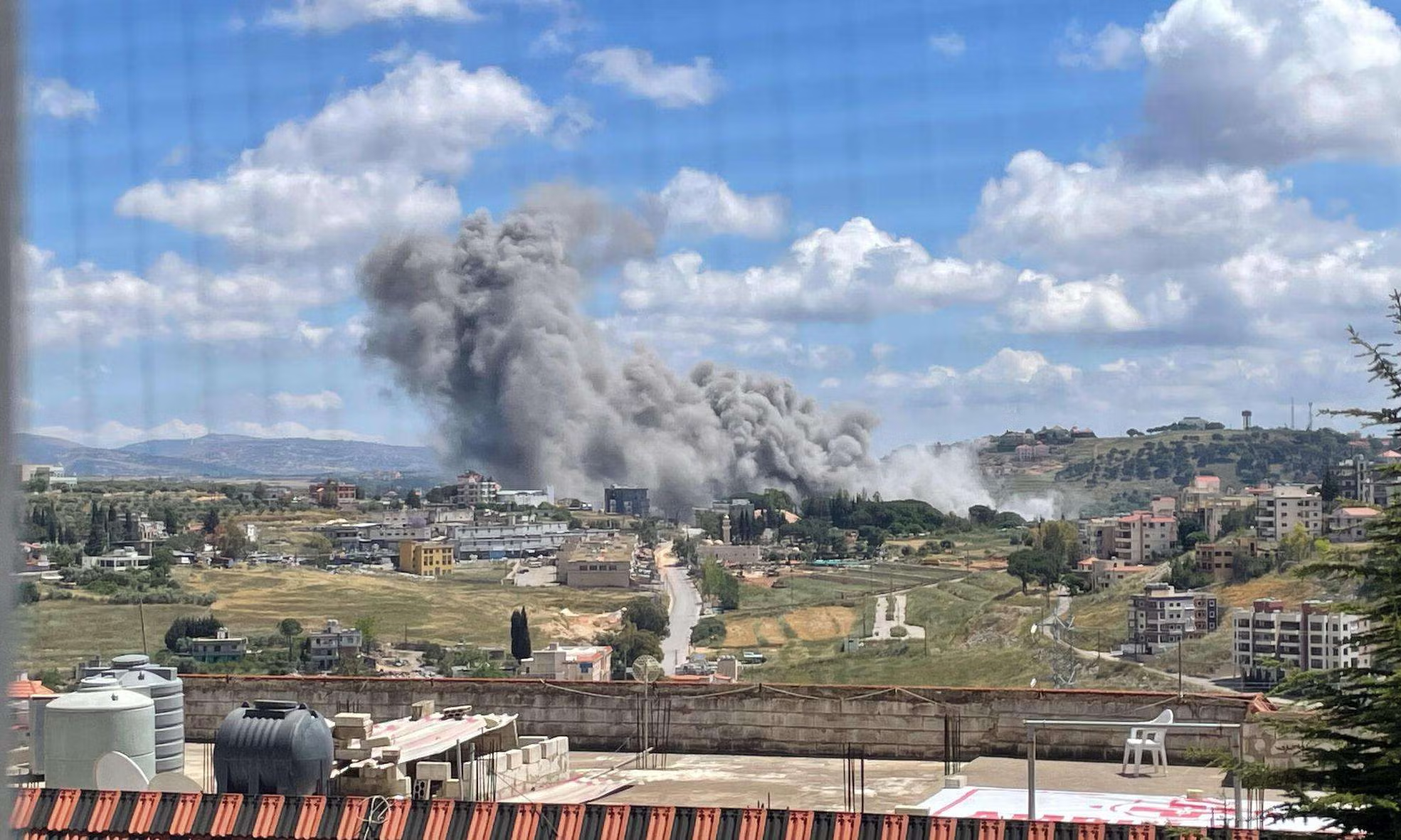
The US Department of Homeland Security stated that Secretary Markwayne Mullin had not had adequate time to review Lebanon's designation and that it was allowed to renew automatically. Mullin's office confirmed this administrative process, noting the automatic renewal was a consequence of the new secretary's recent confirmation and the timing of the designation's expiration. Additionally, the decision follows reports that Israel has pounded Lebanon, resulting in over 3,000 fatalities since March. These ongoing circumstances, including the significant loss of life and the instability caused by the conflict, contribute to the justification for extending Temporary Protected Status for eligible Lebanese nationals. The department's assessment considered the deteriorating security situation in Lebanon, which poses substantial risks to the safety and well-being of its citizens. The renewal ensures that Lebanese nationals currently residing in the US do not face forced return to a country experiencing such profound unrest and danger.
Secretary's Review and Legal Challenges
Markwayne Mullin was confirmed as secretary in March, following Donald Trump's decision to fire former Secretary Kristi Noem. As secretary, Noem had previously terminated Temporary Protected Status for several countries as their designations came up for renewal. These terminations subsequently triggered lawsuits challenging the department's decisions, leading to significant legal battles over the scope of the secretary's authority and the criteria for TPS designations. The Supreme Court addressed these legal challenges in April, hearing oral arguments concerning the terminations of TPS for nationals from Haiti and Syria. These cases noted the contentious nature of TPS decisions and the profound impact they have on the lives of beneficiaries. The legal scrutiny surrounding previous terminations shows the importance of a thorough review process for current and future TPS designations.
Impact on Lebanese Nationals
Approximately 11,000 people from Lebanon are covered under the Temporary Protected Status (TPS) designation, according to a 2024 estimate. This extension allows these individuals to continue residing and working legally in the United States, providing them with essential stability and protection from deportation. The TPS designation provides protection from deportation for eligible Lebanese nationals, ensuring they can remain safely in the US without fear of being returned to a country facing significant challenges. For these individuals, the extension means the continuation of their ability to contribute to American society and maintain their livelihoods while conditions in Lebanon remain unstable. The program offers a key lifeline, enabling beneficiaries to pursue employment, access education, and contribute to their communities without the constant threat of removal.