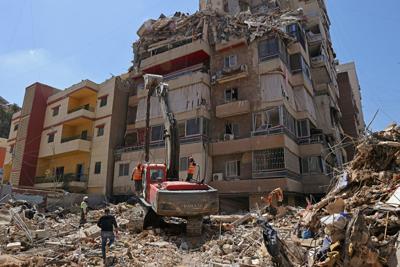
The United States has conveyed a one-page memo to Iran that could reopen the strategic Strait of Hormuz and lift the U.S. Blockade of Iranian ports. In response, Iran, through Pakistani mediators, has submitted a new proposal to the U.S. On reopening the Strait of Hormuz and ending the war, with nuclear negotiations slated for a later stage. This significant diplomatic development follows an Israeli strike on Wednesday in Lebanon's capital, Beirut, which killed a Hezbollah commander in a southern suburb. This marked Israel's first such action on Beirut since a ceasefire began in Lebanon last month, adding a layer of regional tension to the ongoing negotiations.
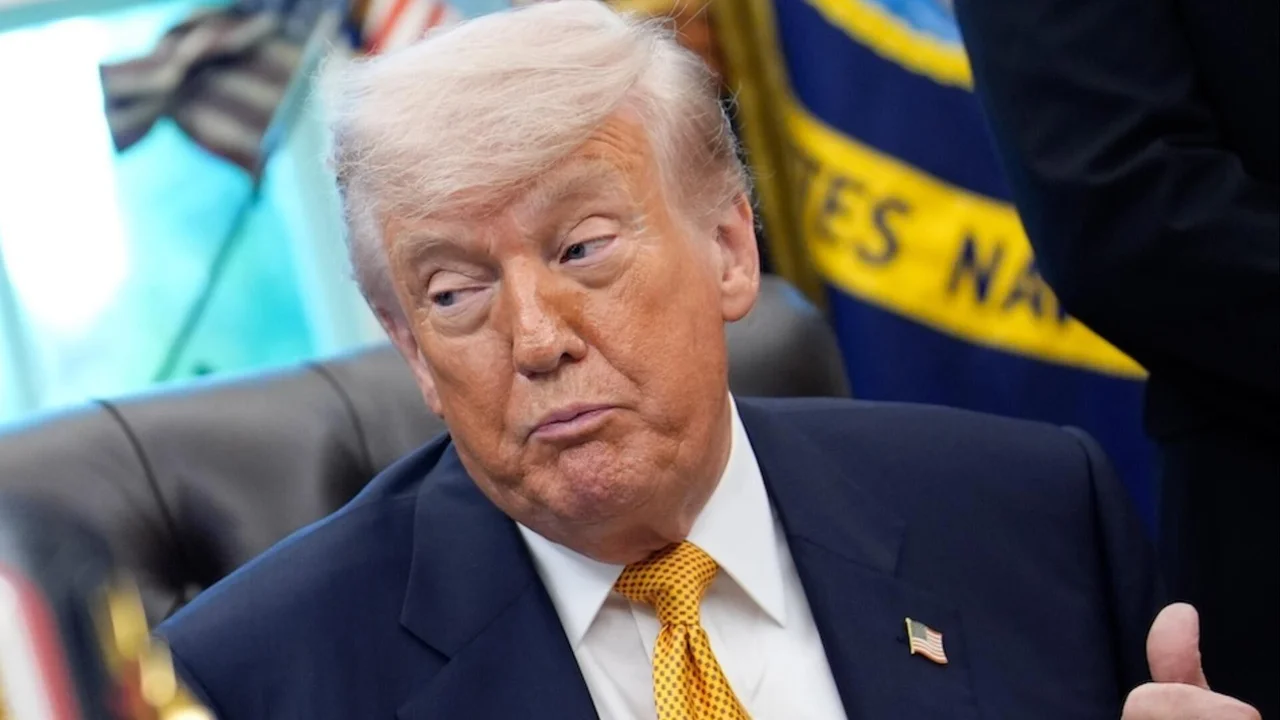
Iran is expected to deliver its response via Pakistan, acting as a mediator, within the next two days, according to reports. U.S. President Donald Trump has consistently stated that the war's objective is to prevent Tehran from acquiring nuclear weapons. Trump signaled on Sunday that the blockade would remain active until a full agreement is reached with the Iranian regime. "We have a very good chance," Trump stated, adding that he is "going to get" a deal. He further remarked, "And when it explodes, you can never rebuild it the way it was... It would only be 50% of what it is right now. So I think they are under pressure." Axios reported this information on Sunday, citing a U.S. Official and two sources familiar with the matter. The report noted the intricate diplomatic dance taking place, with the U.S. Applying considerable pressure while simultaneously offering a path to de-escalation.
Diplomatic Push for Strait Reopening
The proposed agreement seeks to establish conditions for a month of negotiations aimed at securing a final peace accord, according to reports. As part of this potential deal, U.S. President Donald Trump stated on Wednesday that the United States is "going to get" the Islamic Republic’s stockpile of highly enriched uranium. This demand shows a core U.S. Objective in the ongoing discussions. Should Iran reject the initial 14-point peace plan, the U.S. Has indicated it would initiate a broader and more intensive bombing campaign. This clear warning emphasizes the high stakes involved in the current diplomatic efforts and the potential for a significant escalation if a resolution is not reached.
President Trump conveyed to PBS News Hour that he believes there is "a very good chance" of reaching an agreement, possibly before his scheduled meeting with Chinese President Xi Jinping next week. The new peace plan reportedly includes provisions for the removal of sanctions on Iran and a moratorium on the country’s uranium enrichment program. These provisions address key Iranian concerns while also aiming to curb its nuclear ambitions. A key Iranian demand in the negotiations is the requirement for the U.S. To lift its blockade on Iranian assets transiting the Strait of Hormuz, a key economic lifeline for the nation.
Iran's Islamic Revolutionary Guard Corps issued a statement Wednesday indicating that "safe, stable passage" through the Strait of Hormuz would be achievable with "new protocols in place." These protocols reportedly require shipowners to send an email to an organization identified as the Persian Gulf Strait Authority if they intend to transit vessels through the vital waterway. The details of these "new protocols" and the specific requirements for communication with the Persian Gulf Strait Authority have not been fully disclosed. The establishment of such a contact point for shipping in the Strait could mark a significant shift in maritime operations in the region, introducing a new layer of oversight and communication for vessels navigating the critical passage. This move by the Islamic Revolutionary Guard Corps suggests a willingness to engage in new operational frameworks for the strait, provided certain conditions are met.
The U.S. Position, as outlined by President Trump, suggests a firm stance on the disposition of Iran's uranium reserves, framing it as a non-negotiable element of any full deal. The potential for a "broader and more intense bombing campaign" if the plan is rejected shows the high stakes involved in the current diplomatic efforts. The U.S. Administration appears to be employing a strategy that combines diplomatic engagement with overt threats of military action to pressure Iran into compliance. This approach aims to secure concessions from Tehran while simultaneously offering a pathway to de-escalation through the proposed peace plan. The timeline for a potential agreement, as hinted by President Trump, suggests an urgency to resolve the standoff, possibly influenced by upcoming diplomatic engagements. The interplay between the U.S. Demands, Iran's conditions for safe passage, and the broader regional tensions creates a complex environment for the ongoing negotiations. The international community is closely observing the developments, particularly given the Strait of Hormuz's critical role in global energy markets and its impact on international trade and stability.
Iran's Stance and Nuclear Program
Iran has previously exhibited little indication of compromising on its nuclear program or agreeing to a moratorium on uranium enrichment. This historical stance notes a significant hurdle in the current negotiations. State-affiliated news agency ISNA dismissed reports concerning elements of the current proposal as "media speculation and atmosphere-building," and stated that nuclear enrichment was not a component of the ongoing discussions. This statement from ISNA directly contradicts some of the reported elements of the U.S. Peace plan, indicating deep divisions on core issues. Last week, Supreme Leader Mojtaba Khamenei affirmed that Iran would not make concessions on its nuclear program, describing it as a "national asset" that the Iranian people would safeguard at any cost. Khamenei's strong declaration reinforces the deeply entrenched national pride and strategic importance Iran places on its nuclear capabilities, making any agreement on this front particularly challenging.
Abbas Araghchi, Iran's Deputy Foreign Minister, acknowledged and appreciated a four-point proposal put forth by China aimed at resolving the conflict. Araghchi's remarks were made as he departed for Moscow, initiating a series of discussions with regional allies amid ongoing talks with the United States. This diplomatic tour shows Iran's efforts to engage with various international partners as negotiations unfold, seeking support and alternative diplomatic channels. His travels suggest a multi-pronged approach by Iran to navigate the complex geopolitical landscape surrounding the negotiations.
Regional Developments and Economic Impact
Oil prices declined 2.2% on Thursday, falling to below $100 a barrel. This drop followed earlier market volatility, as clashes in the Strait of Hormuz previously triggered a surge in Brent crude to nearly $115 a barrel on Monday. Before the recent halt in traffic, a fifth of the world’s oil and liquefied natural gas flowed through the Strait of Hormuz, a vital waterway. The disruption has also impacted consumer prices, with gasoline prices breaching $4.50 a gallon for the first time since July 2022. The economic ramifications of the Strait's closure and the ongoing tensions are significant, affecting global energy markets and consumer costs worldwide. These price fluctuations show the Strait of Hormuz's critical role in the global economy and the immediate financial impact of any instability in the region. The sustained high gasoline prices are a direct consequence of the supply uncertainties created by the conflict and the blockade.
Amidst these economic shifts, diplomatic efforts continue across the region. China’s Foreign Minister Wang Yi urged Iranian counterpart Abbas Araghchi to maintain negotiations, stating, "a resumption of hostilities is inadvisable." This appeal comes as U.S. President Donald Trump and Chinese President Xi Jinping are scheduled to meet in Beijing on May 14-15, where the Iran situation is expected to be a key topic of discussion. Iranian Foreign Minister Abbas Araghchi recently departed from Oman after conducting 'bilateral talks' in the country. Before his visit to Oman, Araghchi had met with Pakistani officials in Islamabad. During these diplomatic engagements, Araghchi emphasized Iran's regional priorities, stating, "Our neighbors are our priority." These high-level diplomatic exchanges highlight the international community's concern and active involvement in seeking a peaceful resolution, with key players like China advocating for continued dialogue. Araghchi's diplomatic tour through regional capitals before engaging with the U.S. Shows Iran's strategy to build consensus and support among its neighbors, reinforcing its regional influence. His discussions in Islamabad and Oman are indicative of Iran's broader foreign policy objectives to strengthen alliances and ensure regional stability, which it views as key for its own security and economic interests.
US Strategy and Future Outlook
U.S. President Donald Trump is expected to convene a situation room meeting with his senior national security and foreign policy team to discuss Iran, according to reports. This high-level meeting indicates the critical importance the U.S. Administration places on the ongoing negotiations and the potential outcomes. Trump has suggested there is "a very good chance" for an agreement with Tehran. He also stated that if the situation "explodes, you can never rebuild it the way it was... It would only be 50% of what it is right now. So I think they are under pressure," indicating the U.S. Strategy involves sustained pressure. This strategy combines diplomatic overtures with clear warnings of severe consequences, aiming to compel Iran towards a full deal. The anticipated meeting in the situation room will likely involve a review of intelligence assessments, strategic options, and contingency plans, reflecting the gravity of the decisions facing the U.S. Leadership. The administration's approach is designed to keep Iran at the negotiating table by demonstrating both a willingness to talk and a readiness to act decisively if talks fail. The coming days are key as the world awaits Iran's formal response, which will shape the trajectory of this high-stakes diplomatic standoff and potentially redefine the geopolitical landscape of the Middle East.