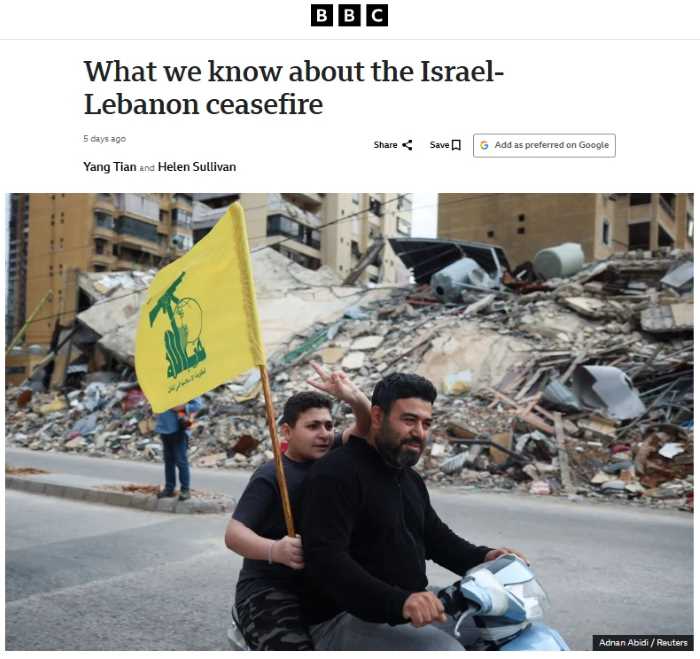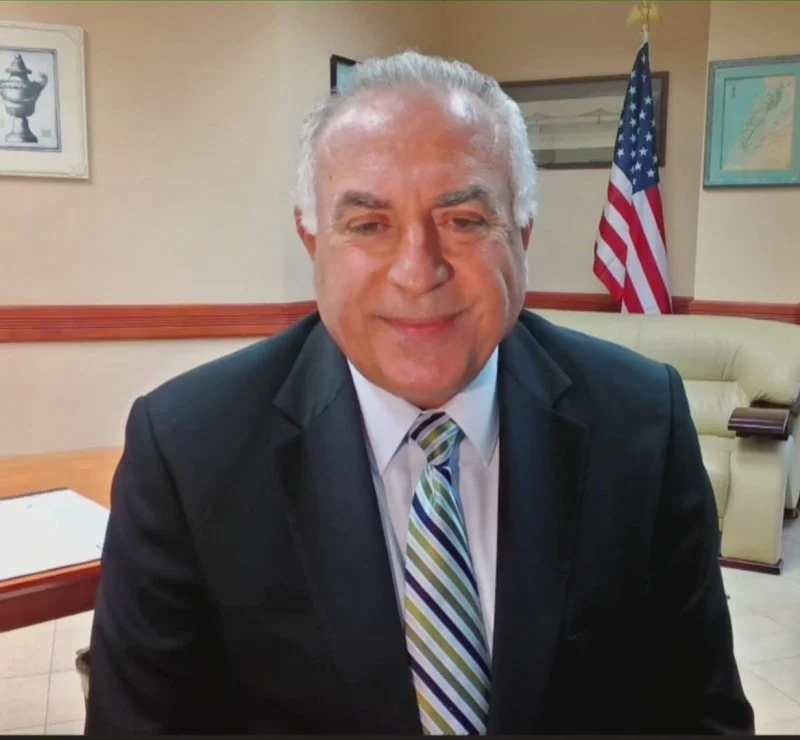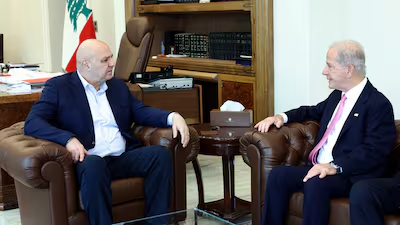
US ambassador to Lebanon, Michel Issa, met with Lebanese President Joseph Aoun and Prime Minister Nawaf Salam on Friday, May 1, 2026, as reports indicated a broader diplomatic push for stability in the region. The meeting showed the United States' sustained engagement in fostering a resolution to the long-standing tensions in the Levant. Ambassador Issa's discussions with the Lebanese leadership focused on the immediate implementation of the recently brokered ceasefire and the pathways toward more enduring peace. This diplomatic engagement followed a 10-day ceasefire between Lebanon and Israel, brokered by the US on Thursday to end six weeks of fighting between Israel and Hezbollah. The initial ceasefire marked a critical, albeit fragile, pause in hostilities that had claimed numerous lives and caused significant damage. Building on this initial success, US President Donald Trump extended this US-brokered ceasefire by an additional three weeks, signaling a commitment from Washington to provide ample time for diplomatic efforts to take root and progress. The extension was seen as a vital step to allow further negotiations and de-escalation measures to be implemented without the immediate pressure of renewed conflict.
Donald Trump plans White House talks between Lebanese President Joseph Aoun and Israeli Prime Minister Benjamin Netanyahu, intending to lay groundwork for direct negotiations between the two nations. This ambitious plan by the US President notes a significant shift in diplomatic strategy, aiming to move beyond temporary truces to a more full peace agreement. The proposed ceasefire text specifies that Israel and Lebanon would hold direct talks to establish "peace between the two countries," a clause that has been a focal point of discussion and contention. Lebanese and Israeli representatives met twice in Washington last month, marking the first such contacts in decades and providing a glimmer of hope for future direct engagement. These preliminary meetings, though not direct talks between the top leaders, were key in establishing a channel for communication and setting the stage for the potential White House summit. The very fact that these two nations, technically still in a state of war, were willing to send representatives to the same city for discussions, even if indirectly, was considered a diplomatic breakthrough.
President Joseph Aoun stated that Lebanon would no longer be "a pawn in anyone’s game, nor an arena for anyone’s wars, and we never will be again." This powerful declaration, delivered in a televised address to the Lebanese public on Friday, April 17, 2026, showed Lebanon's desire for self-determination and its refusal to be drawn into regional conflicts not of its making. He emphasized that a ceasefire should transition into "permanent agreements that preserve the rights of our people, the unity of our land, and the sovereignty of our nation." This vision for a lasting peace, rather than a mere cessation of hostilities, forms the cornerstone of Lebanon's diplomatic objectives. According to reports, President Aoun and Prime Minister Salam prioritized consolidating the truce and halting attacks on civilians and infrastructure ahead of further discussions in Washington. Their immediate focus was on ensuring the safety and well-being of their citizens and preventing any further damage to the nation's critical infrastructure, which had suffered extensively during the recent conflict. President Aoun affirmed, "Our objective is clear and declared: to stop Israeli aggression against our land and our people, to obtain Israeli withdrawal, to extend state authority over all its land by its own forces, to ensure the return of prisoners, and to enable our families to return to their homes and villages, in safety, freedom and dignity." This statement outlines a full set of demands and aspirations for Lebanon's future, encompassing security, sovereignty, and humanitarian concerns.
Lebanon's Push for Permanent Peace
Lebanon maintains that the ceasefire with Israel should serve as a foundation for developing permanent agreements, aiming to transform the temporary truce into a durable peace. This perspective views the current cessation of hostilities not as an end in itself, but as a critical first step towards a more stable and secure future for the region. However, Hezbollah has expressed opposition to face-to-face negotiations with Israel and to disarmament, posing a significant challenge to Lebanon's unified diplomatic stance. The powerful Shiite political party and militant group's refusal to engage directly with Israel and its insistence on maintaining its armed status complicates efforts to achieve a full and lasting peace. This internal division within Lebanon presents a complex hurdle for President Aoun and Prime Minister Salam as they navigate the path towards potential direct talks.
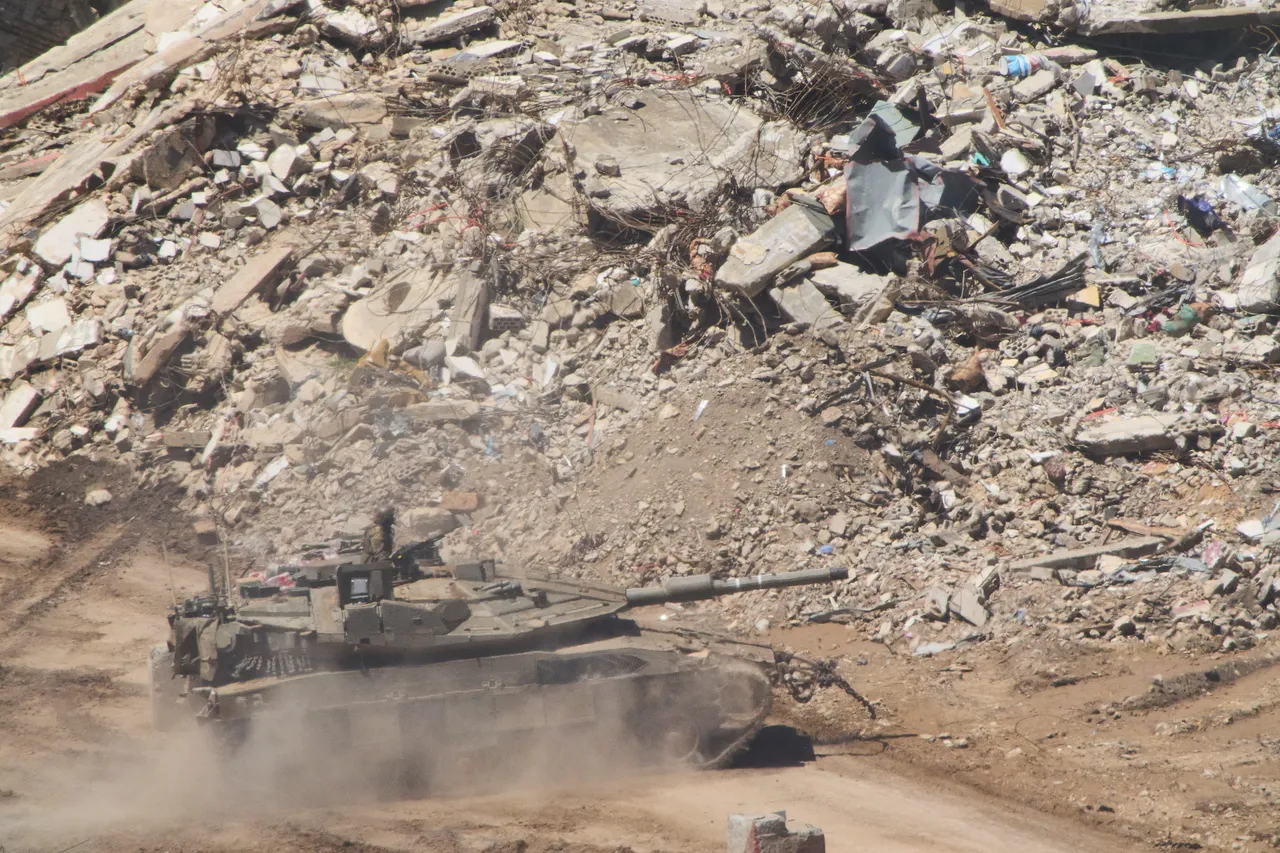
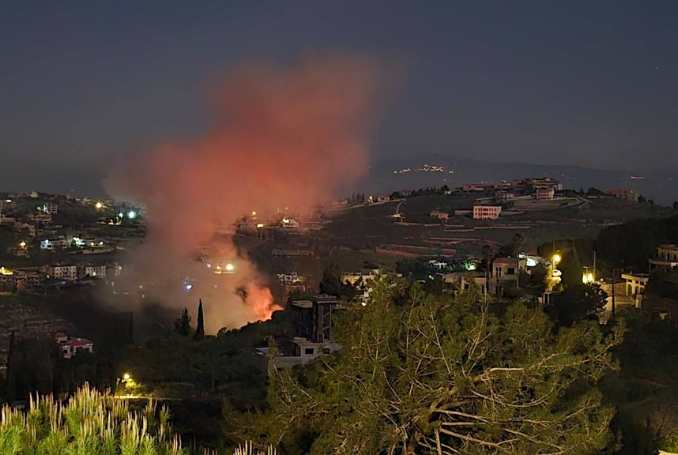
Reports indicated that Hezbollah launched rockets into Israel on March 2, a move described as being in support of Tehran, which preceded Israeli attacks that commenced on March 2. This initial exchange of hostilities marked the beginning of six weeks of intense fighting that ultimately led to the US-brokered ceasefire. Hezbollah's operational tactics are reportedly evolving, with an increasing reliance on drones for attacks against Israeli troops. This shift in methodology indicates a sophisticated adaptation to the conflict environment and presents new challenges for Israeli defense forces. Despite the ceasefire, Israeli Defense Minister stated on Friday that Israeli forces would continue their operations to demolish homes in southern Lebanon that are being utilized by Hezbollah. This declaration shows Israel's commitment to dismantle Hezbollah's infrastructure, even during a period of truce, and suggests a continued proactive stance against perceived threats. Israeli Prime Minister Benjamin Netanyahu also affirmed that Israeli troops would not withdraw from their positions during the ceasefire period, further signaling Israel's intent to maintain its strategic presence in the border region. Separately, reports indicated that Israel has continued to conduct deadly strikes on Lebanon, even after the ceasefire came into effect, raising concerns about the fragility of the truce and the commitment of all parties to uphold its terms. These continued strikes, despite the ceasefire agreement, highlight the deep-seated mistrust and ongoing security concerns that plague the region, making the path to permanent peace even more arduous. The Israeli attacks that commenced on March 2 have left more than 2,200 dead, a grim testament to the human cost of the conflict and the urgent need for a lasting resolution.
Saudi Arabia's Diplomatic Stance
Saudi Arabia publicly supports negotiations with Israel but has established conditions for its involvement, including an explicit refusal to hold a direct meeting with Israeli Prime Minister Benjamin Netanyahu at this current stage. This nuanced position reflects the complexities of regional diplomacy, where support for peace initiatives is often balanced with political considerations and historical grievances. The Kingdom of Saudi Arabia played a significant role in Lebanese history by sponsoring the Taif Agreement. This accord, which successfully brought an end to Lebanon’s civil war, included provisions that specifically called for the disarmament of all militias within the country. This historical precedent notes Saudi Arabia's long-standing interest in Lebanese stability and its potential influence in future peace processes, particularly regarding the issue of militia disarmament. Separately, Lebanese President Joseph Aoun expressed gratitude to US President Donald Trump for his efforts in securing the recent ceasefire between Lebanon and Israel. President Aoun also extended his thanks to various regional countries for their assistance in the ceasefire process, acknowledging the collective diplomatic efforts that contributed to the cessation of hostilities. This recognition of regional support shows the multilateral nature of the peace efforts and the importance of broader international cooperation in resolving the conflict.
Broader Context and Future Outlook
Ambassador Michel Issa reaffirmed US backing for Lebanese state institutions as efforts continued to bolster a fragile ceasefire. This unwavering support from the United States is considered key for Lebanon's sovereignty and its capacity to negotiate effectively. The US commitment to strengthening Lebanese governmental bodies is seen as a key factor in ensuring the long-term stability of the nation. Hezbollah lawmakers, however, criticized the government on Friday for agreeing to hold direct negotiations with Israel, further exposing the internal political divisions within Lebanon regarding the peace process. This opposition from a significant political bloc complicates the government's ability to present a united front in any future talks. Hezbollah had fired into Israel, preceding the attacks that have since left more than 2,200 dead, a stark reminder of the volatile nature of the conflict and the profound impact it has had on human lives.
Israeli soldiers are operating inside a "Yellow Line" that runs approximately 10km deep inside Lebanon along the border. This military presence, a long-standing point of contention, notes the ongoing territorial disputes and security concerns that persist despite the ceasefire. Israel continues to occupy areas of southern Lebanon despite the truce, according to reports, further complicating the prospects for a complete Israeli withdrawal, which is a key demand from Lebanon. Lebanon and Israel held their first direct talks in decades in Washington, a historic moment that, while challenging, offered a glimmer of hope for future diplomatic engagement. These talks, even if indirect, represent a significant departure from decades of non-communication.
President Joseph Aoun delivered a televised address to the Lebanese public on Friday, April 17, 2026. He stated that Lebanon would not be "a pawn in anyone’s game, nor an arena for anyone’s wars, and we never will be again." This powerful assertion of national sovereignty resonates deeply within Lebanon, a country that has historically been affected by regional power struggles. President Aoun emphasized that a ceasefire should transition into "permanent agreements that preserve the rights of our people, the unity of our land, and the sovereignty of our nation." His vision for peace extends beyond a mere halt to fighting, aiming for a full and lasting resolution that addresses fundamental Lebanese interests. He affirmed, "Our objective is clear and declared: to stop Israeli aggression against our land and our people, to obtain Israeli withdrawal, to extend state authority over all its land by its own forces, to ensure the return of prisoners, and to enable our families to return to their homes and villages, in safety, freedom and dignity." This detailed articulation of Lebanon's objectives provides a clear framework for any future negotiations and shows the nation's commitment to securing its territorial integrity, protecting its citizens, and ensuring their safe return to their homes. The path forward remains fraught with challenges, internal divisions, and deeply entrenched historical grievances, but the current diplomatic momentum, however fragile, offers a potential avenue for a more stable future.