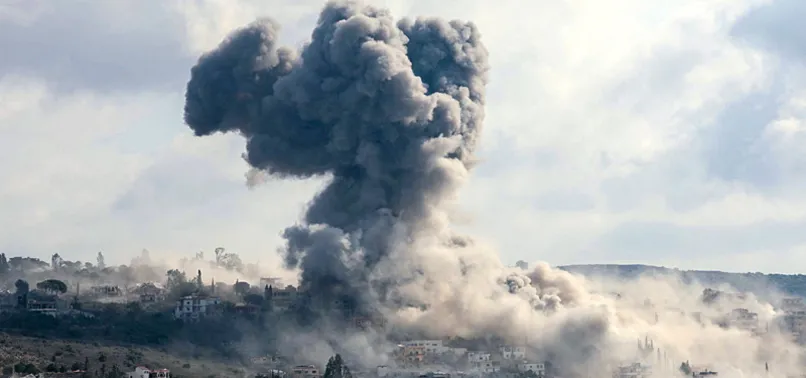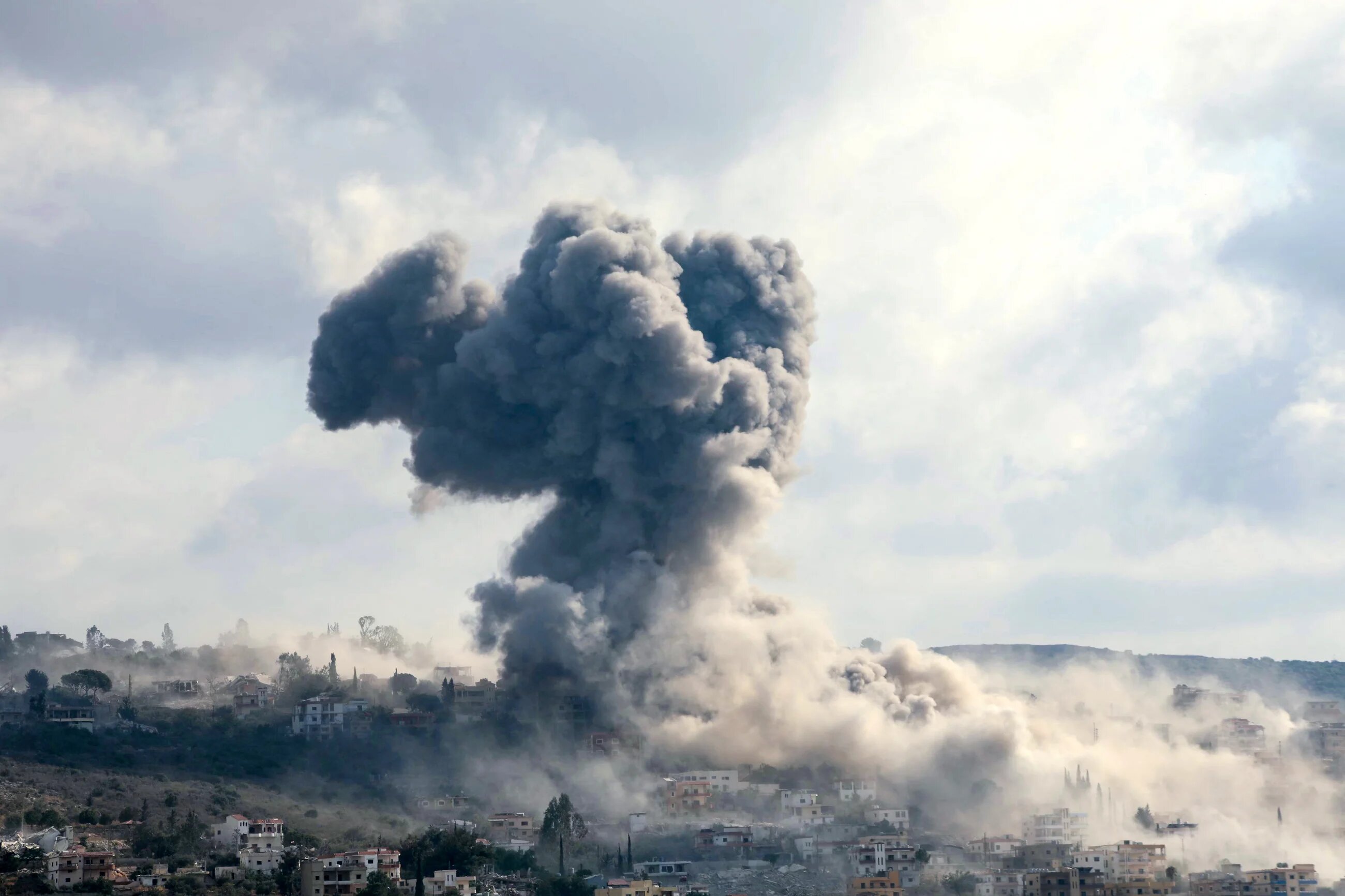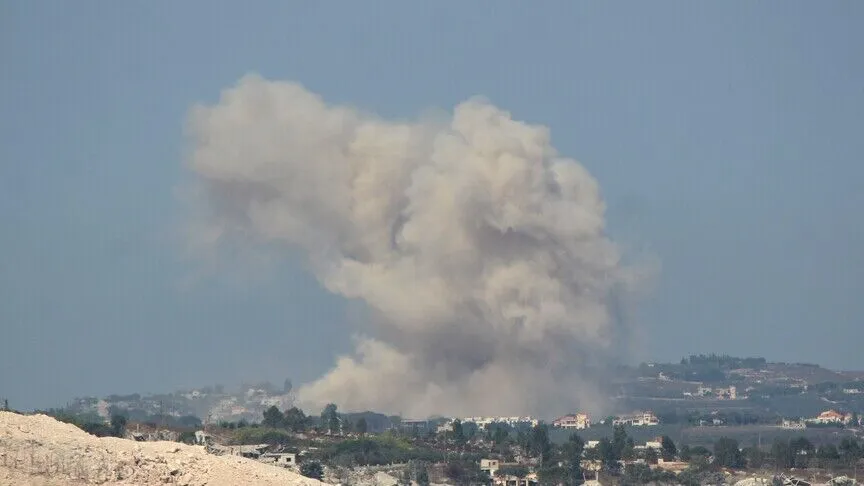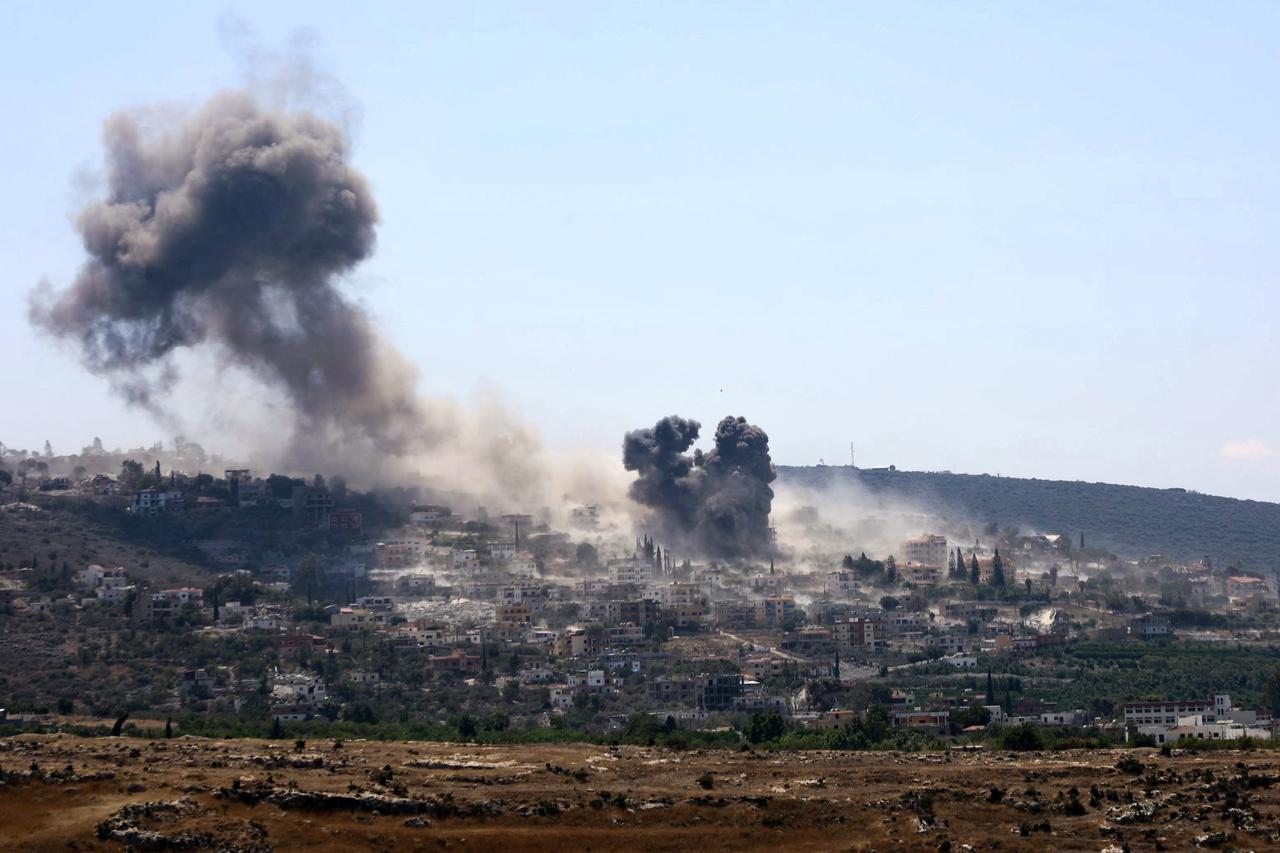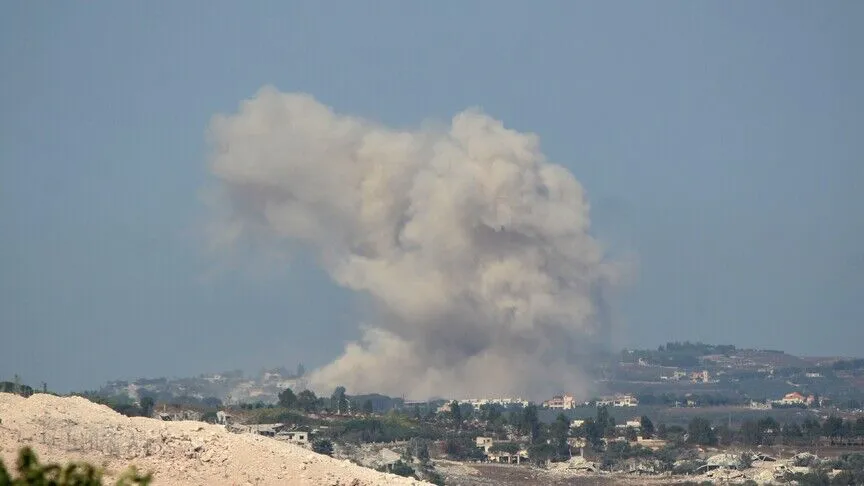
The UN peacekeeping force in Lebanon (UNIFIL) reported recording 1,030 projectiles fired in southern Lebanon between August 21 and August 27, averaging 147 per day. The situation in the region remains precarious, marked by persistent military activity. Lebanon’s Health Ministry confirmed two people killed and eight injured in the two days prior to August 28, 2026, noting the immediate human cost of the ongoing tensions. UNIFIL stated, "Despite lower levels of violence than earlier this year, the situation in south Lebanon remains fragile." This assessment shows the delicate balance in the border region. The peacekeeping mission further detailed its observations, adding, "From 21 to 27 August, peacekeepers recorded 1,030 projectile trajectories, an average of 147 per day," providing a clear measure of the continuous, though reduced, scale of conflict.
Recent Escalation and Impact
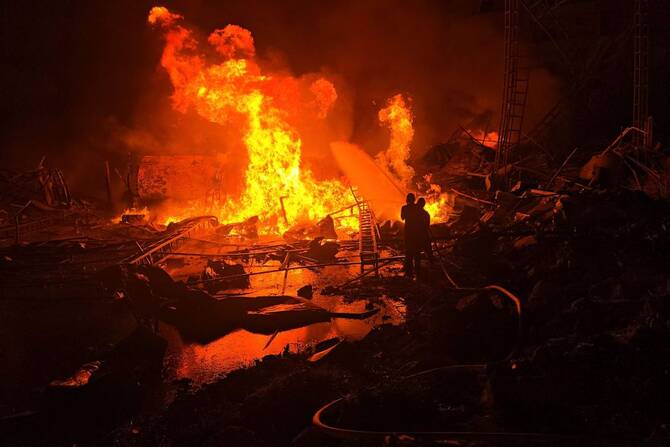
The Israeli army escalated its attacks on Friday, carrying out demolitions in three towns, exacerbating an already tense environment. Israeli forces advanced toward the Aita al-Jabal municipality, where they started fires in several areas, causing further destruction. Other nearby areas were simultaneously subjected to artillery barrages by Israeli forces, indicating a coordinated and widespread offensive. These actions have severely damaged homes and vital infrastructure, leaving local communities struggling to recover from the extensive destruction. The persistent military operations have a profound impact on civilian life and essential services. The total casualty toll from Israel’s assaults on southern Lebanon since March 2 has reached 4,352 dead and 12,318 injured, reflecting the cumulative severity of the conflict over recent months.
UNIFIL's Role and Mandate
UNIFIL peacekeepers continue to monitor and report developments, working with parties to prevent escalation in southern Lebanon and maintain a degree of stability. The mission asserts that commitment by the parties to UN Security Council Resolution 1701 is essential for reducing tensions, restoring stability, and enabling local communities to recover. Resolution 1701 was adopted in 2006 following a 33-day war between the Israeli army and Hezbollah, establishing a framework for peace. Its provisions specifically call for a full cessation of hostilities between Lebanon and Israel and the establishment of a demilitarized zone between the Litani River and the Blue Line, aiming to prevent future conflicts. UNIFIL’s mandate in southern Lebanon is set to expire at the end of this year, making its ongoing efforts and the adherence to Resolution 1701 particularly critical. As UNIFIL reported, "Despite lower levels of violence than earlier this year, the situation in south Lebanon remains fragile," emphasizing the need for continued vigilance. The peacekeeping force also stated, "From 21 to 27 August, peacekeepers recorded 1,030 projectile trajectories, an average of 147 per day," illustrating the persistent nature of the security challenges.
Context of Israeli Presence
Israeli forces maintain a presence in several areas of southern Lebanon, with some of these occupations spanning decades, contributing to the long-standing geopolitical complexities of the region. During fighting that occurred in 2023 and 2024, these forces expanded their footprint, further complicating efforts to de-escalate tensions. Israeli troops advanced several more kilometers into Lebanese territory, further extending their presence within the region and raising concerns about territorial integrity and future stability.
Outlook on Stability
The United Nations Interim Force in Lebanon (UNIFIL) detailed the consistent rate of projectiles observed in the region, providing a quantitative measure of the ongoing conflict. Between August 21 and August 27, the peacekeeping mission recorded an average of 147 projectiles fired daily across southern Lebanon. This consistent activity contributes to the ongoing assessment of a fragile security situation in the area, indicating that while large-scale clashes might be fewer, localized engagements remain a daily reality. UNIFIL's reporting notes the persistent nature of military actions despite an overall reduction in violence compared to earlier periods this year. The daily average shows the continuous low-intensity conflict impacting the stability of the border region, making the prospects for lasting peace uncertain without full adherence to international resolutions.