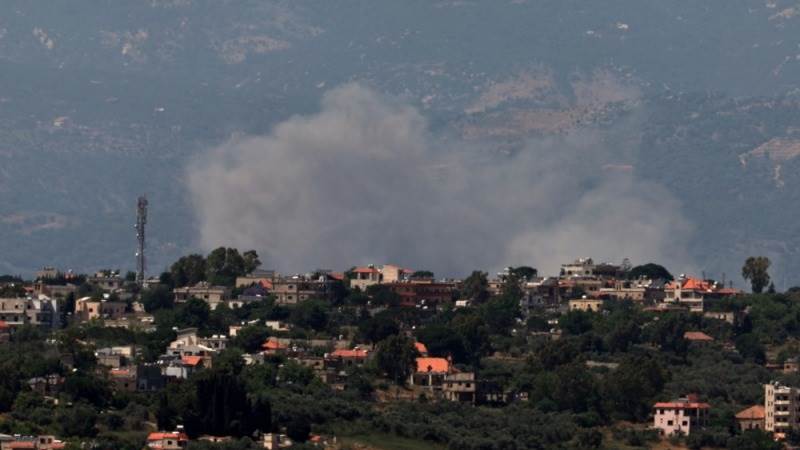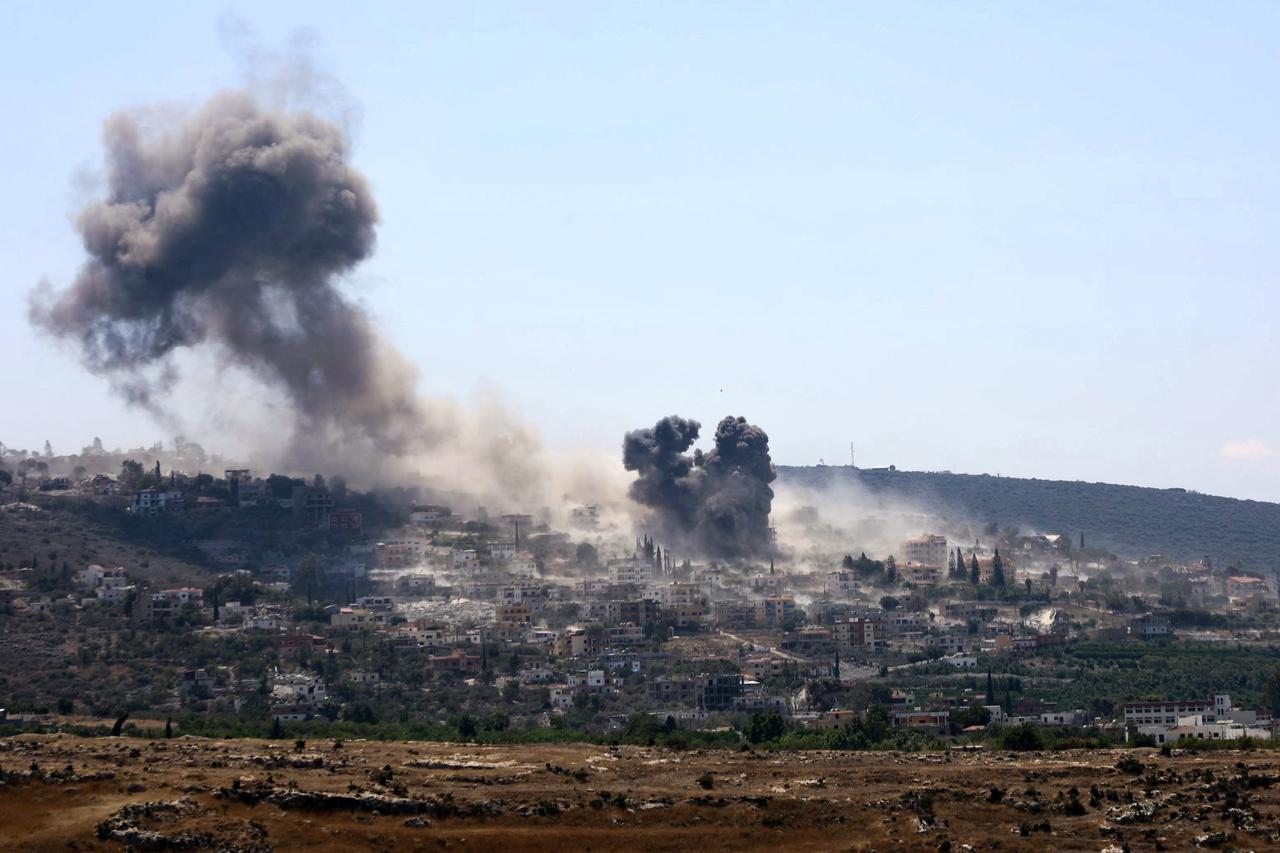
Israel has formally informed the United States that a project to establish "pilot zones" in southern Lebanon has failed, according to Israeli media reports on Thursday. The notification from Israel to Washington comes amidst ongoing concerns regarding Hezbollah's activities and infrastructure in the region, which Tel Aviv views as a significant security threat. Israeli outlets detailed that the assessment conveyed to American officials indicated the initiative did not achieve its intended objectives, prompting a reevaluation of the current security arrangements.
Israeli Grievances Over Army Performance
The Walla news website specifically reported that Tel Aviv communicated to Washington through established security channels that the project, which was launched following a memorandum of understanding between Beirut and Tel Aviv, had demonstrably failed in southern Lebanon. Unnamed Israeli security officials, speaking to the media, claimed that the Lebanese army "does not destroy infrastructure at sites whose coordinates were provided by the Israeli army, while at the same time requesting additional coordinates." This alleged lack of action, despite receiving precise intelligence, has been a key point of contention for Israeli authorities.
A specific instance cited by these officials involved a Lebanese army force that reached one of the sites provided by Israel. The force reportedly entered a few meters into an underground opening before withdrawing without continuing the search or taking any further action to neutralize the suspected infrastructure. This occurred despite Israeli forces pushing more than 10 kilometers into Lebanese territory during their current assault, indicating a significant and assertive presence on the ground. The Israeli officials' complaints suggest a profound lack of cooperation or effectiveness from the Lebanese army regarding the destruction of specified infrastructure, which Israel believes is key for maintaining regional stability. The message conveyed to Washington showed Israel's growing frustration with the operational capabilities and willingness of the Lebanese army to confront Hezbollah's alleged presence.
Background of the Pilot Zones Initiative
The "framework formula" that established the basis for these pilot zones was signed by Lebanon and Israel in Washington on June 26. This key agreement outlined a gradual Israeli withdrawal from Lebanese territory, which was to occur in parallel with the deployment of the Lebanese army and the implementation of specific security arrangements. The initial phase of this plan was to begin with the establishment of the "pilot zones" model. Building on this foundational agreement, both sides reached a further understanding in July during a sixth round of talks held in Rome regarding the precise mechanisms of the "pilot zones." This understanding was specifically intended to pave the way for Israeli forces to withdraw from designated areas and for the Lebanese army to subsequently deploy in their place, ensuring a smooth transition and maintaining security.
The first field model of these pilot zones commenced late last month in western Zawtar. In this initial phase, the Lebanese army successfully deployed to the area, and some residents who had been displaced were able to return to their homes. Following this initial deployment, subsequent discussions focused on expanding the "pilot zones" and addressing various unresolved border issues that have historically complicated relations between the two nations. These critical talks took place in Rome from August 4-6. During these negotiations, Lebanon proposed the strategic locations of Khiam or Bint Jbeil as potential sites for the next phase of the initiative, aiming to extend the security arrangements. However, despite these proposals and the focused discussions, no new withdrawal area was officially announced following the Rome talks, indicating a potential impasse even before the recent Israeli assessment of failure.
Broader Conflict and Future Implications
Israel has expressed profound dissatisfaction with the Lebanese army’s performance in dealing with infrastructure that Tel Aviv claims belongs to Hezbollah in southern Lebanon. Senior Israeli army officials have explicitly claimed that Lebanese army commander Rodolph Haykal “fears entering into confrontation with Hezbollah commanders in southern Lebanon.” These officials also asserted that Haykal's forces are not carrying out search operations for weapons and infrastructure as effectively as Israel demands, suggesting a deliberate reluctance to engage with Hezbollah's operational network.
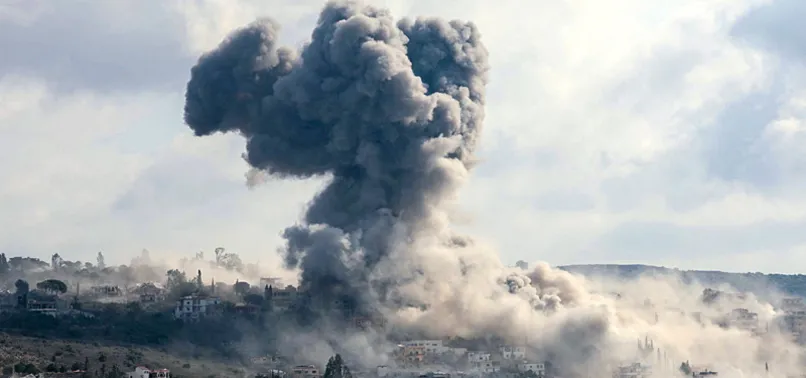
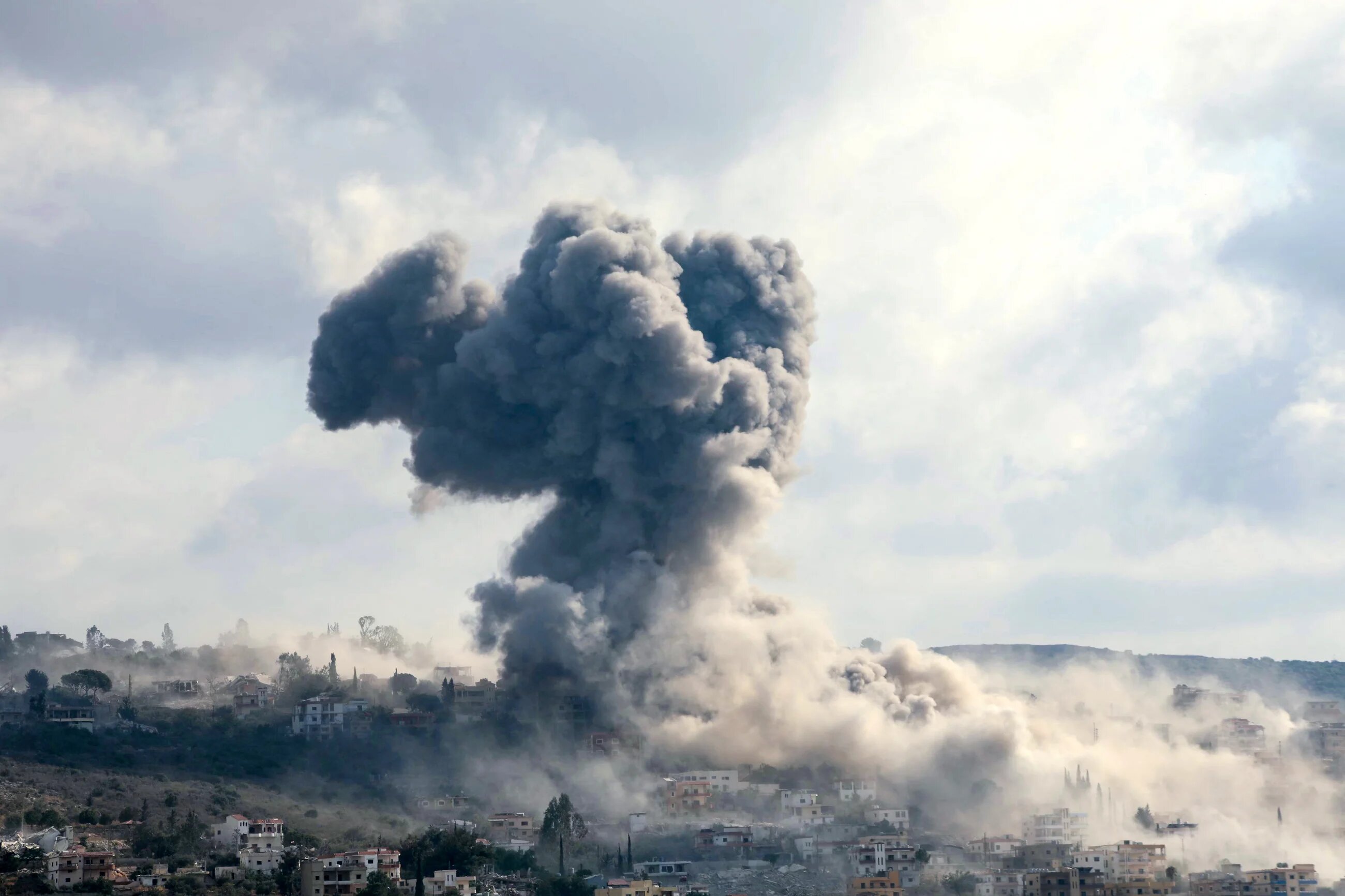
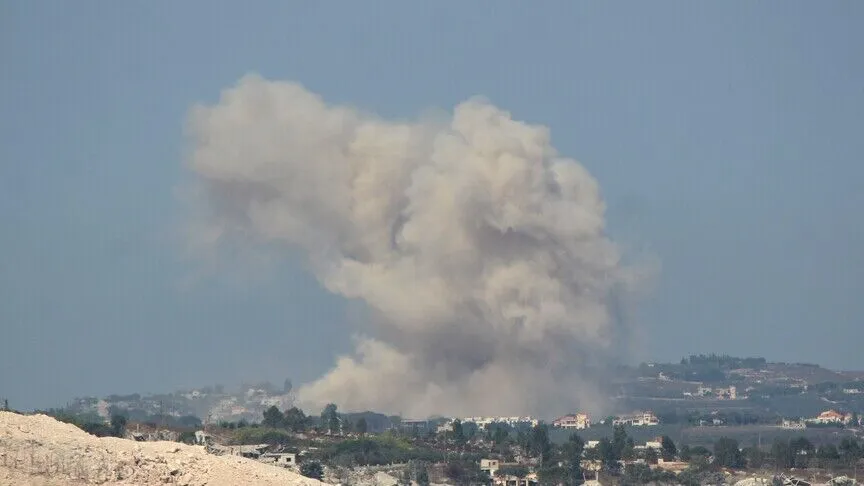
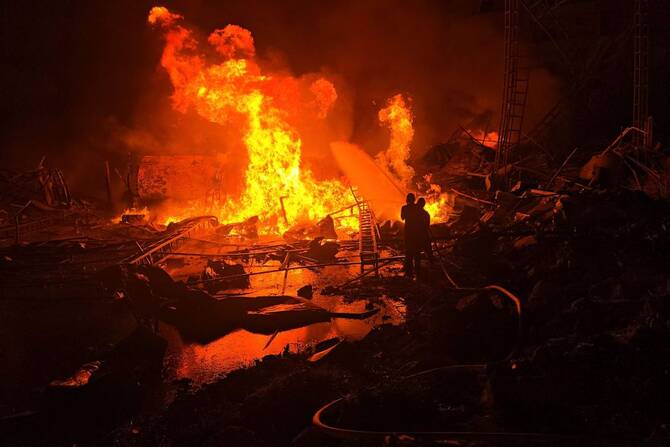
Israel occupies areas in southern Lebanon, some of which have been under occupation for decades, while others have been occupied since the previous war between 2023 and 2024. This long-standing occupation and the more recent conflict have significantly shaped the security landscape. Lebanese authorities report that Israel has continued its assault on Lebanon since March 2, resulting in a devastating human cost. According to these authorities, the ongoing conflict has led to the deaths of 4,335 people, injuries to 12,277 individuals, and the displacement of more than 1 million people from their homes. The Israeli assessment of the pilot zones' failure, therefore, comes within a broader context of intense military activity and significant humanitarian impact, complicating any future efforts towards de-escalation or security arrangements in the volatile border region.