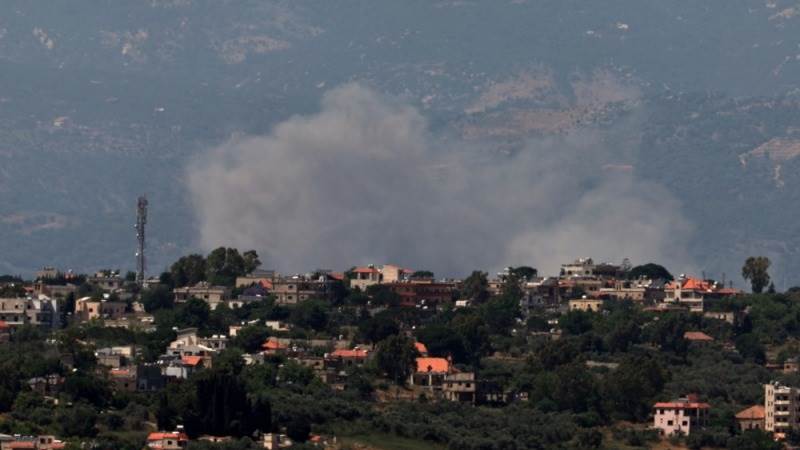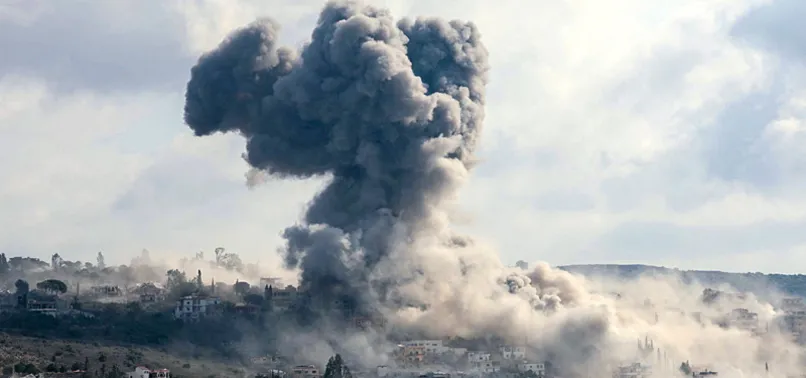
The Israeli army conducted airstrikes in Lebanon on Thursday, according to reports from Israeli Channel 12. The Israeli broadcaster stated that the army was carrying out the strikes at 1225 GMT. These military actions, confirmed by the Israeli army, followed an earlier drone incident that heightened tensions along the border. The strikes represent a significant escalation in the ongoing security situation between the two nations, prompting concerns about regional stability.
Hezbollah Drone Attack and Israeli Response
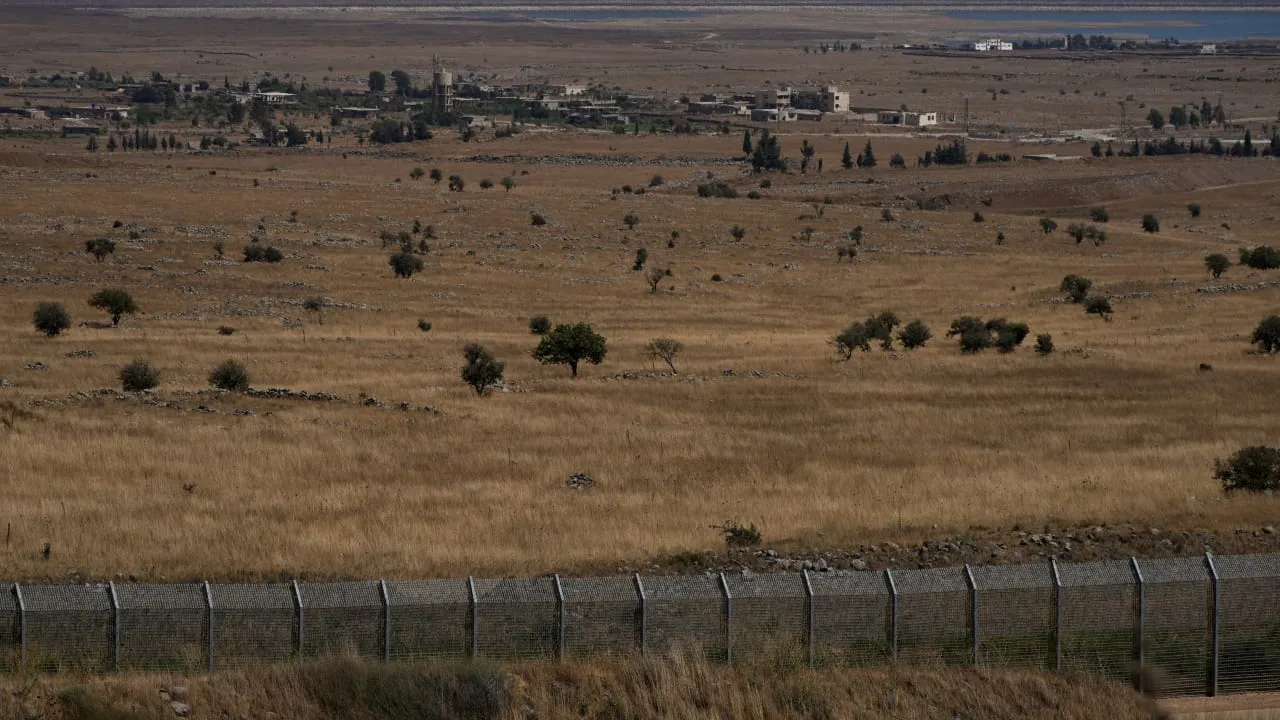
The Israeli army claimed the airstrikes were a direct response to the launch of two explosive drones toward its forces in the country's south. According to the army's statement, Hezbollah launched two explosive drones overnight toward Israel Defense Forces (IDF) soldiers operating in the area of the Ali-Taher Ridge within the Security Zone in southern Lebanon. This area has been a focal point of activity, and the drone launch constituted a direct threat to Israeli personnel. Israeli soldiers responded swiftly, opening fire and successfully downing one of the drones, thereby neutralizing an immediate danger. However, contact was lost with the second drone, indicating it may have either been destroyed or evaded detection. No injuries were reported among the Israeli soldiers during the incident, showing the effectiveness of their defensive measures and the rapid response to the incoming threat.
Lebanese Reports of Strikes
In parallel, Lebanon's National News Agency provided detailed accounts of Israeli military activities. The agency reported that an Israeli drone conducted two distinct strikes targeting the town of Nabatieh al-Fawqa in the Nabatieh governorate of southern Lebanon. These drone strikes caused significant damage and contributed to the atmosphere of apprehension in the region. Separately, the agency also stated that Israeli warplanes carried out a strike on the town of Arab Salim, located in the Iqlim al-Tuffah area of Nabatieh governorate. This particular aerial assault resulted in injuries, noting the human cost of the ongoing military exchanges.
Further reports indicated broader Israeli military movements and actions. Israeli forces, accompanied by tanks and military bulldozers, advanced west of the town of Mais al-Jabal in the Marjayoun district of Nabatieh. This ground movement suggests a more full operation beyond aerial bombardment. Additionally, artillery shelling was reported to have targeted homes in several towns across southern Lebanon, causing widespread destruction and displacing residents. Earlier on Thursday, Israeli warplanes conducted strikes targeting multiple buildings in the town of Mansouri, further escalating the scale of the attacks. Residents in the city of Tyre and its surrounding villages reported hearing explosions, indicating the expansive geographical reach of the Israeli military operations.
Background on Security Framework
These recent hostilities occur against a backdrop of ongoing diplomatic efforts aimed at de-escalation. US-led diplomatic efforts previously facilitated the signing of a framework agreement between Israel and Lebanon in June. This significant agreement outlines a phased Israeli withdrawal from all occupied Lebanese territory, a key demand from the Lebanese side. In exchange for this withdrawal, the framework provides for the deployment of the Lebanese army to these areas, ensuring a legitimate and sovereign presence. The agreement stipulates the disarmament of armed groups as part of the broader security arrangements, a critical component for long-term stability. The framework sought to establish a structured approach to border security and de-escalation between the two nations, providing a defined pathway for resolving long-standing territorial disputes and enhancing stability along the frontier. This diplomatic initiative aimed to create a more secure environment through clearly defined responsibilities for both sides, focusing on the future status of disputed areas and the presence of armed entities, ultimately seeking to prevent such military confrontations.