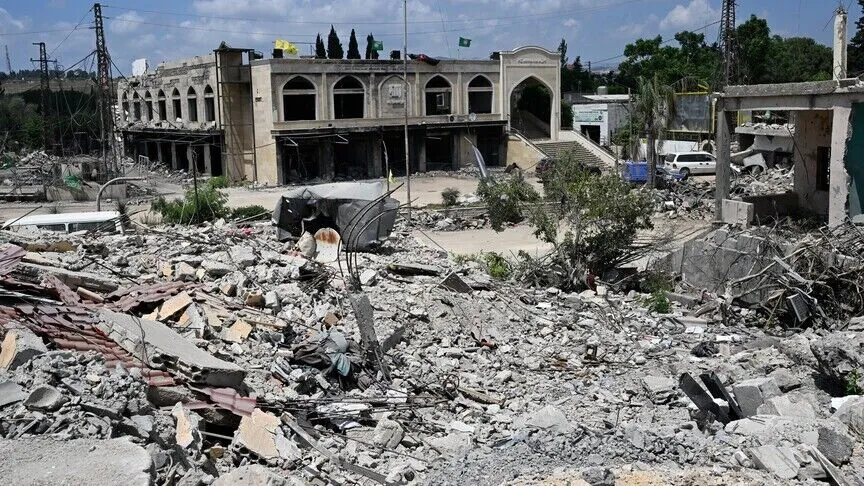
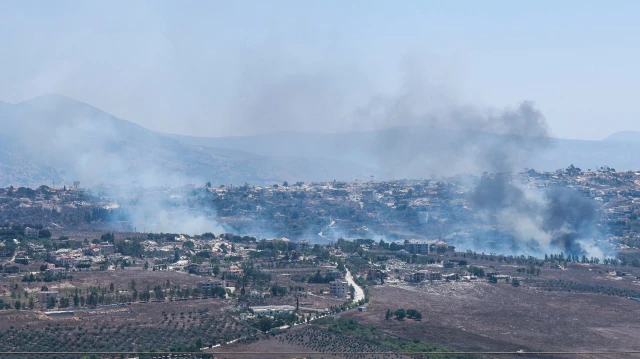
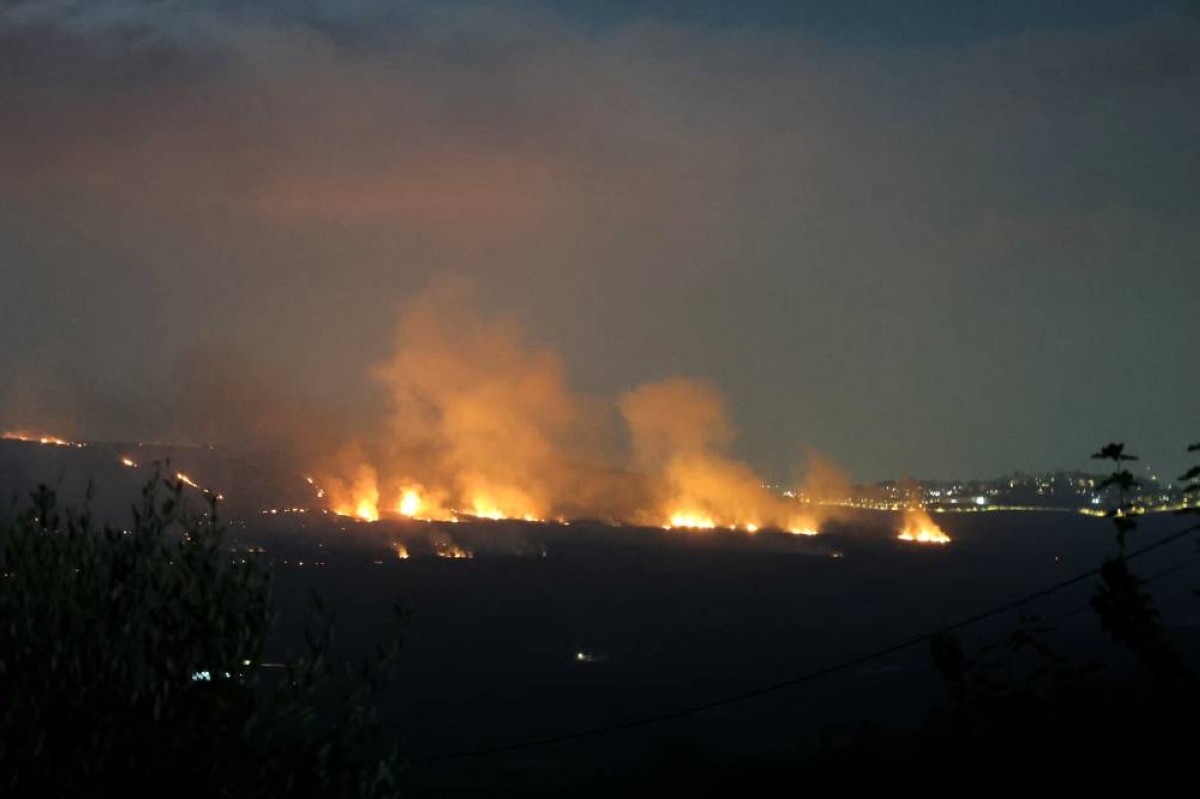
Lebanese officials and residents report that the Israeli military is systematically sparking blazes that have burnt swathes of forest and farmland in the country's south. These allegations come as officials and residents accuse the Israeli military of systematically igniting fires, which have destroyed extensive areas of forest and farmland in south Lebanon. Chadi Abdallah, a resident, stated that the Israeli army is "systematically burning land." Abdallah further asserted that the military is "trying to create a buffer zone devoid of homes, people and the natural environment" through these actions. The reports from officials and residents describe widespread destruction affecting agricultural lands and natural habitats across the southern region of the country. This systematic destruction, they contend, is part of a deliberate strategy to alter the landscape and demographic composition of the border areas.
Systematic Fires Ravage Southern Lebanon
In the village of Shaqra, Haidar Qoteish, 36, says he has watched fires devour fields and orchards in his hometown of Hula, just five kilometres (three miles) away but under Israeli military control. Qoteish, 36, a resident of Shaqra, described watching fires consume fields and orchards in his hometown of Hula, located five kilometers away and currently under Israeli military control. Qoteish stated, "They've burnt everything. You can see the fields are all black," adding, "Those whose land they didn't burn, they've bulldozed." He expressed the severity of the situation, saying, "It's a great loss, and there's nothing we can do." The Lebanese governmental National Council for Scientific Research (CNRS) reported that Israeli military activity has caused 160 square kilometers of land to burn since hostilities between Israel and Hezbollah began in October 2023, with half of this area being agricultural. This extensive damage notes the significant environmental and economic toll on the region, impacting both natural ecosystems and the livelihoods of local communities.
Hussein Fakih, the head of the civil defence agency for the Nabatieh region, noted that his teams have observed fires both within and adjacent to areas where Israeli troops are stationed since July. Fakih said that since July his teams have observed fires both inside and adjacent to areas where Israeli troops are stationed. These blazes, according to Fakih, have been ignited by Israeli 'bombs and drones,' and at times by incendiary phosphorous shells and cluster munitions. The use of such munitions has raised concerns about their indiscriminate nature and the long-term environmental consequences. CNRS director Chadi Abdallah told AFP that during the 2023-2024 hostilities, fires were "limited to the border strip," but have expanded since the conflict reignited this year. Abdallah also provided comparative statistics, stating, "During the previous war, around 8,500 hectares (85 square kilometers) of land was burnt, while this year, the Israelis have burnt around 7,500 hectares, including 350 hectares after the June deal." This comparison shows the sustained and significant impact of the current hostilities on Lebanon's natural environment. The expansion of fire-affected areas beyond the immediate border strip indicates a broader reach of destructive activities.
Broader Destruction and Environmental Impact
In Kfarshuba, which abuts Israel's 'security zone', mayor Qassem al-Qadri said an Israeli attack this month sparked a fire that spread across a broad area of 'mostly forest'. This month, an Israeli attack sparked a fire that spread across a broad area of "mostly forest" in Kfarshuba, according to mayor Qassem al-Qadri. Kfarshuba abuts Israel's 'security zone'. Satellite imagery from Lebanon's governmental National Council for Scientific Research (CNRS) has shown the disappearance of formerly green areas due to fires, alongside evidence of Israel's bulldozing and uprooting of vegetation. These images provide stark visual proof of the landscape transformation, illustrating the profound changes occurring in the southern region. The combination of fires and mechanical clearing operations suggests a concerted effort to denude the land.
Lebanon's state-run National News Agency this month said Israeli forces had uprooted 600 olive trees in one southern village alone. This month, Lebanon's state-run National News Agency reported that Israeli forces uprooted 600 olive trees in one southern village alone. These actions contribute to a broader pattern of environmental degradation in the region, impacting agricultural lands and natural habitats. The visual evidence from CNRS satellites shows the extent of the landscape transformation, moving from verdant areas to barren, fire-damaged, or cleared ground. The destruction of olive trees, a significant agricultural staple in southern Lebanon, represents a direct economic and ecological loss for local communities. Olive groves are not only vital for the local economy but also play a key role in the ecosystem, providing habitat and preventing soil erosion. The scale of tree uprooting indicates a deliberate and systematic approach to altering the agricultural landscape.
Official Condemnation and International Concerns
Environment Minister Tamara Elzein has condemned what she called "ecocide" in the south, stressing Israel's army is "deliberately" burning swathes of Lebanese land. Her strong condemnation reflects the Lebanese government's concern over the environmental impact of the ongoing conflict. Lebanese environmental group Green Southerners says it has recorded widespread damage to forest, woods and farmland since 2023. This month, Green Southerners warned that "major nature reserves in southern Lebanon have also been subjected to extensive and repeated destruction." The group's findings corroborate official reports and highlight the long-term ecological consequences of the fires and other destructive activities. The repeated targeting of nature reserves suggests an alarming disregard for protected natural areas. Despite an alleged ceasefire since June, Israel continues to bomb the south and has been demolishing border villages. This ongoing activity, even during periods of supposed calm, exacerbates the environmental damage and prolongs the suffering of residents. The continued demolition of villages further points to a strategy aimed at depopulating and transforming the border region.